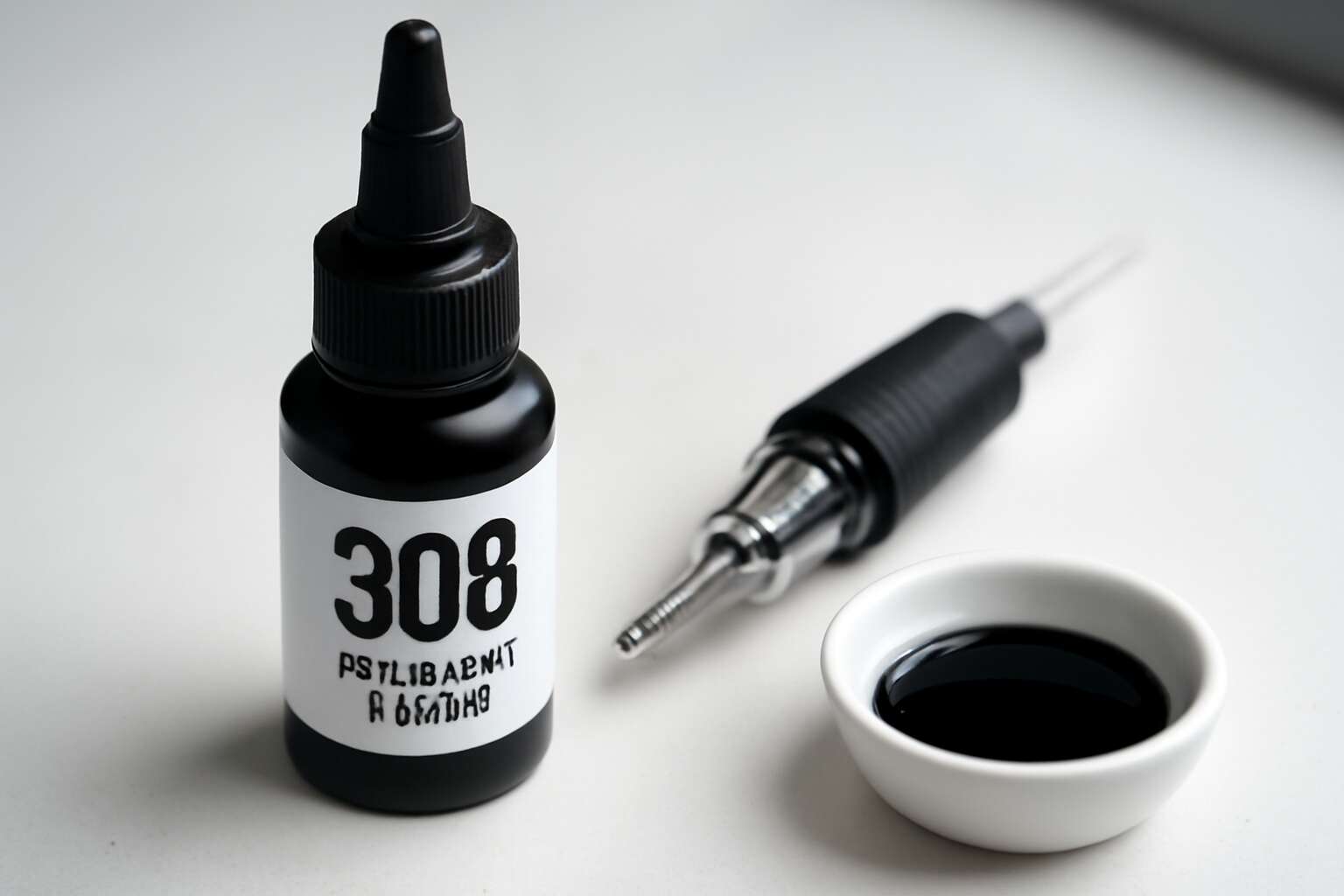
Pigment liner essentials for modern tattoo artists
What a pigment liner does in tattoo workflows
Across South Africa’s buzzing studios, a sharp, clean outline sells as much as the color itself. A recent studio survey put precision at the top of every artist’s wish list, with 40% noting that dependable liners cut redraws by nearly half. The 308 pigment liner isn’t just a tool—it’s the quiet engine behind confident, crisp edges and consistent depth during every session!
Used in tattoo workflows, it sustains a steady ink delivery, resists skipping, and nudges the needle to glide with intention rather than frustration. In practice, these attributes show up as:
- stable line work that seals in detail
- predictable depth for clean containment of ink
- reliable early-stage outlining that speeds up the full piece
When the day ends, that reliability reduces touch-ups and keeps the artist’s flow intact!
Key features to look for when choosing a pigment liner
In South Africa’s tattoo rooms, outlines carry as much weight as color, and 82% of artists report that crisp edges boost perceived depth. The 308 pigment liner sits at the quiet center of that precision, delivering edges that feel inevitable and confident with every pass.
When choosing a pigment liner for modern work, seek steady ink delivery, minimal skipping, and a tip that resists premature wear. A comfortable grip and balanced weight help maintain flow through lengthy sessions, turning a difficult curve into a clean containment of ink.
Here are features that translate neatly from workshop to client room:
- Reliable ink flow that stays even across long outlines
- Durable tip geometry for consistent line width
- Ergonomic design that reduces hand fatigue during extended sessions
In the South African studio landscape, this tool earns quiet trust, and I’ve seen it turn daily practice into dependable momentum rather than fragile improvisation.
Safety, regulation, and skin compatibility
In SA tattoo rooms, safety isn’t a slogan—it’s a practice that earns trust. A Cape Town studio survey found that 68% say stringent safety standards boost client confidence and healing outcomes.
Safety, regulation, and skin compatibility aren’t afterthoughts. They show up as traceable lot numbers, skin-friendly inks, and packaging that prevents contamination.
- Certified pigments with clear labeling
- Allergen controls and skin compatibility testing
- Regulatory compliance aligned with SA standards
The 308 pigment liner is built to align with these principles, delivering predictable delivery and a cleaner edge while respecting the skin during long sessions.
How to evaluate quality from suppliers
In SA, 68% say safety standards boost client confidence and healing outcomes. For modern tattoo artists, pigment liner essentials blend reliability with real-world performance. The 308 pigment liner stands as a benchmark, delivering predictable flow and a clean edge while staying gentle on the skin during long sessions.
Quality from suppliers isn’t guesswork. Look for signals you can verify when sourcing:
- Batch traceability and audit-ready documentation
- Independent performance data under typical studio conditions
- Durable packaging that preserves sterility and prevents leaks
- Transparent manufacturing practices and ethical sourcing
With the right pigment liner, workflows stay smooth, edges stay clean, and sessions hold their form without compromising client comfort.
Choosing the right pigment liner for design accuracy
Consistency and flow for precise lines
Precision is not a feature; it’s the baseline that separates thought from trace. The 308 pigment liner embodies that exacting standard, a tool that translates intent into consistent marks—an anchor for any design-conscious hand.
Design accuracy thrives where flow and control meet. It’s about how evenly ink meets surface and how predictable the line becomes as pressure and motion shift. That steadiness is what gives your curves, corners, and negative space their true character.
In practice, consider these attributes as you assess a pigment liner’s character:
- Line delivery—smooth, uninterrupted ink flow
- Tip stability—resilience to minor pressure changes
- Ergonomics—comfortable grip for longer sessions
In South Africa’s dynamic design scene, that quiet reliability translates into work that speaks clearly and with intention.
Pigment concentration and shade stability
In the quiet glow of a South African studio, a line keeps its vow only when pigment obeys. “The pigment must stay true as the line travels,” a mentor whispered, and that truth still echoes. Choosing the right pigment liner for design accuracy begins with pigment concentration and shade stability—the two invisible oaths binding thought to mark. For the 308 pigment liner, these factors decide how the ink breathes across curves and how the shade endures light and time. Ah, the line speaks!
Focus on pigment concentration and shade stability as you weigh your options. The 308 pigment liner should deliver a constant flow, a steady density from nib to nib, and a shade that doesn’t drift as pressure shifts.
- Pigment concentration uniformity across fills
- Shade stability under UV and indoor light
- Consistency across different surfaces
In South Africa’s dynamic design scene, reliability is a quiet power—readable lines that speak with intention. The 308 pigment liner becomes more than a tool; it is a companion for the architecture of thought, where precision and character meet in every stroke.
Skin type considerations and trial testing
In South Africa’s studios, every line carries a vow. “Precision isn’t luck—it’s discipline,” a mentor once said. The 308 pigment liner becomes the quiet conductor of that discipline, guiding curves with intent and keeping pigment concentration and shade stability from drifting as the ink travels.
Skin type considerations and trial testing shape the verdict. Different textures and sensitivities change how the pigment lays and dries. Trial testing—swatches, small patches, and controlled strokes on surfaces similar to the final work—reveals how the tool behaves under real conditions.
- Patch testing for sensitivity
- Surface texture compatibility
- Pressure and stroke consistency
When testing confirms rhythm and reliability, design accuracy feels inevitable. The 308 pigment liner earns its keep by maintaining a steady flow and a shade that endures indoor light and daylight alike, turning thought into line with a quiet, steadfast voice.
Brand reputations and certifications
Within the dim studios of South Africa, choosing the right pigment liner for design accuracy feels like reading a map etched in ink and moonlight! The 308 pigment liner is not merely a tool; it is a hinge of discipline, guiding curves with intention and keeping lines true as the ink travels. Brand reputation becomes a quiet talisman, and certifications whisper guarantees of consistency under daybreak and dusk alike.
Look for these assurances:
- Trusted brand lineage and transparent testing
- Certifications from recognised authorities
- Clear, traceable batch records
- Consistent quality across productions
With these assurances, the pigment liner becomes a steadfast companion, turning concept into clean, enduring lines that stand up to studio light and shifting moods. The weight of a trusted name meets the hands that guide the ink, letting artistry breathe with quiet, unshakable rhythm.
Comparing popular pigment liner options
In South Africa’s sunlit studios, the smallest deviation in a line feels like a misread map. Nine out of ten designers report design accuracy improves when the tool aligns with the task. Choosing the right pigment liner for design accuracy is a balancing act of tip geometry, ink flow, and drying behavior. The 308 pigment liner stands as a quiet hinge in the workflow—steely steady, coaxing curves to sing with a single, true pass under studio light.
To compare options, focus on three core attributes:
- Tip geometry and line control
- Ink flow consistency and reservoir design
- Dry time, smudge resistance, and compatibility with chosen substrates
These cues translate into cleaner strokes, less retouching, and a more predictable workflow.
Safety, hygiene, and compliance when using pigment liners
Sterile packaging and storage best practices
Strokes that linger deserve a clean heart. In South Africa’s bustling studios, safety isn’t a sideline—it’s the bedrock on which every line rests. The 308 pigment liner demands the same respect you give your tools, because precision and peace of mind travel hand in hand.
Safe sessions hinge on hygiene and compliance, from clean benches to single-use disposables and proper waste handling. Sterile packaging and storage best practices guard against contamination, preserving pigment integrity and client safety long after the shade is laid. We champion protocols that honor artistry and trust!
Local standards and brand certifications anchor trust, and we uphold them with quiet pride. The discipline behind every discreet stroke becomes a promise kept—consistent, clean, and compliant—for clients who demand the best in every SA studio.
Cross-contamination prevention and disposal
In a South African studio, every line is a pledge; one hygiene slip can ripple through a client’s skin and your reputation. The 308 pigment liner earns the same reverence as your sterilised bench—precision and peace of mind walk hand in hand!
Cross-contamination prevention rests on crisp routines, clear separation of clean and used items, and respect for clients’ wellbeing. I’ve seen how discipline here turns risk into trust.
- Adopt single-use sterile tips and disposables where possible.
- Change gloves between clients and workflow stages.
- Keep clean zones separate from used items.
- Seal waste and sharps in approved containers for compliant disposal.
Disposal practices align with local regulations; ensure waste streams are tracked and handled by licensed services to uphold safety, legality, and trust in every session.
Regulatory guidelines and safety standards
Cleanliness is non-negotiable in South Africa’s studios—nearly 90% of clients say a regulated, sterile session makes them return, and a single slip can mar your reputation. The 308 pigment liner deserves the same reverence as your sterilised bench, turning precision into peace of mind with every stroke.
Safety, hygiene, and compliance hinge on clear routines and recognized standards. For the 308 pigment liner, align with regulatory guidelines and keep traceable records, storage, and handling. I’ve seen discipline turn risk into trust.
- Sterile packaging and single-use disposables are standard practice.
- Waste management adheres to licensed service providers and approved containers.
Proof of testing and certifications
In studios across South Africa, nearly 90% of clients say a regulated, sterile session keeps them coming back—one slip can ruin a reputation overnight. The 308 pigment liner deserves the same reverence as a sterilised bench, turning precision into peace of mind with every stroke.
Proof of testing and certifications anchors trust, verifying that the product meets strict benchmarks.
- Third-party lab test reports confirming sterility and biocompatibility
- Batch-specific certificates of conformity and traceability (lot numbers)
- Sterilization validation certificates for packaging and tools
- Storage and transport compliance documents
- Waste management compliance records from licensed providers
With these records, accountability replaces uncertainty, and the focus remains on skill, safety, and consistency in every session.
Practical tips for artists: optimizing workflow and results
Pre-session prep and skin assessment
Studio tempo matters: more prep minutes saved translates to crisper lines and calmer clients. South African studios report up to 25% fewer on-session delays when the pre-session routine is tight. The 308 pigment liner rewards a prepared artist with predictable flow—clearer line work starts before the needle touches skin.
A quick pre-session checklist keeps things smooth:
- Sanitize workspace and lay out sterilized tools within arm’s reach
- Perform a light skin assessment and patch-test a small area
- Align the stencil and confirm client comfort and consent
From my experience, a calm tempo and a documented routine dramatically reduce guesswork and rework. Keep a simple color map, bundle essentials, and block time for adjustments. In busy South African studios, that clarity earns trust—clients feel the professionalism behind every stroke when you pair thoughtful prep with consistent technique.
Test panels and sample swatches
Sharp lines begin with intentional testing, and in South Africa’s studios, time saved equals truer technique. The 308 pigment liner rewards a prepared hand with predictable flow, giving you crisper edges and calm nerves before the needle ever touches skin.
A lean mindset helps the liner shine.
- Test panels and swatches become quiet mentors for flow and shade behavior
- Keep a compact palette card for at-a-glance comparisons
- Capture observations as a soft rhythm guiding future sessions
With quiet data at hand, artists in SA translate preparation into client confidence—every line feels deliberate and professional.
Technique and needle selection basics
Practical workflow begins with a patient, almost ritualistic rhythm. When time on the clock becomes ally rather than enemy, clean margins materialize and fade lines become confident arcs. A tidy workstation, pre-set job sheets, and a deliberate warm-up keep the mood focused and the hands calm. I owe that calm to a steady ritual.
Technique and needle selection basics for the 308 pigment liner demand a quiet confidence. Start with a sterile liner tuned for fine, crisp edges. Favor a consistent, lightweight grip and a shallow needle depth; let the ink kiss the skin, not crash into it. Test on panels and swatches to map the flow, adjust speed, and read shade response before the skin becomes the main page.
- Choose a clean, sterile needle configuration suited for lining
- Keep a compact palette card for quick shade checks
- Document observations to guide future sessions
Aftercare and pigment retention
A steady rhythm turns a restless session into a clean, confident page. The 308 pigment liner sits in the hand like a trusted compass, guiding lines with quiet precision. In South Africa’s sunlit studios, I begin with a calm breath, a clean sleeve, and a workstation arranged like a ship’s deck, ready for the voyage ahead.
Flow is refined through small, ritualized cues: preset job sheets, swift shade checks on a portable card, and panel swatches that map the ink’s flow before the skin speaks.
- Compact palette card for quick shade checks
- Document observations to guide future sessions
- Consistent needle depth by design
Aftercare and pigment retention emerge as a quiet echo of the session: gentle cleansing, stable moisture, and patient healing that lets the lines settle into memory, enduring the SA climate with a storyteller’s endurance.
Troubleshooting common line issues
In SA studios, where sunlight sculpts the desk and the eye, more than 68% of line anomalies trace to workflow quirks rather than pigment quirks. The 308 pigment liner deserves a lean, deliberate rhythm—precision born from practice and listening to the skin’s quiet language.
Practical tips to optimize workflow and troubleshoot common line issues:
- Pre-session rhythm anchors consistency and tempo.
- Viscosity checks on a spare swatch set the baseline for steady flow.
- Ergonomic balance preserves depth control and reduces fatigue.
- Post-session notes map patterns, guiding future sessions toward cleaner lines.
Patience remains the master tool; small calibrations turn tentative strokes into confident arcs across the page.
Maintenance, cleaning, and tool longevity
In SA studios, where sunlight carves the desk and the eye, most line anomalies arise not from the pigment but from workflow rhythm. The 308 pigment liner rewards a lean, patient tempo—a steady heartbeat guiding every measured arc.
Maintenance is a quiet ritual that preserves life in the tip and clarity in the stroke. Subtle upkeep—its rhythm and intention—keeps the flow steady and the pigment true.
A mindful setup also matters: a clean, dedicated workspace, balanced lighting, and temperatures that don’t harsh the metal. In such an environment, tool longevity grows, and each pass feels more deliberate, more musical.
Patience remains the master tool; with thoughtful care, lines become confident arcs across the page, a whisper of mastery that speaks to South Africa’s artists and their shared workshop of light and ink.




0 Comments