Explore the World of Pigments
Your Comprehensive Resource for Pigments in South Africa
Discover a wealth of information on sourcing, safety, and research related to pigments. Dive into expert guides and stay informed with the latest data sheets and industry insights.

Mastering Pigment Sourcing
Unlock the secrets to sourcing high-quality pigments with our expert guides. Learn about the best practices for evaluating pigment quality, understanding supplier credentials, and ensuring sustainable sourcing methods.
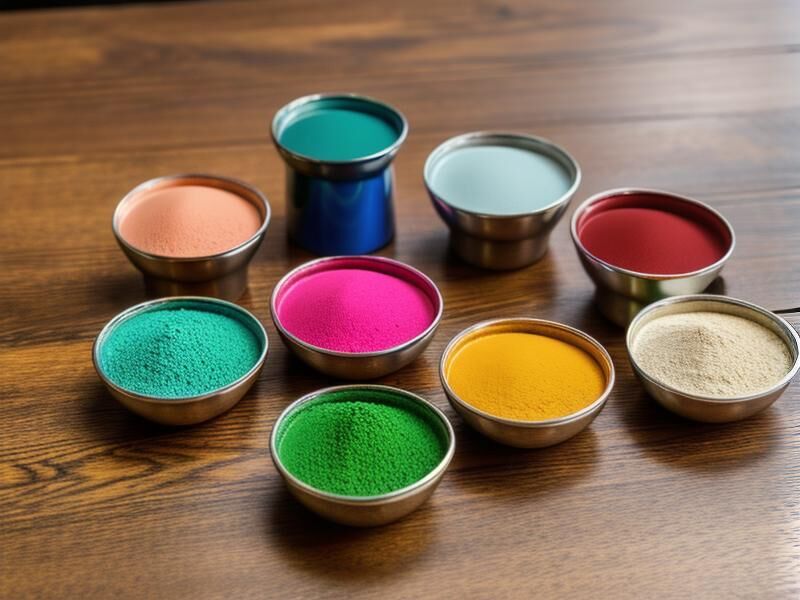
Evaluating Pigment Quality
Understand the key indicators of pigment quality, including color consistency, particle size, and purity. Learn how to perform simple tests to ensure you are getting the best product.
Choosing the Right Supplier
Find out how to select reliable suppliers by checking their certifications, customer reviews, and industry reputation. Ensure your pigments come from trusted sources.
Sustainable Sourcing Tips
Explore strategies for sourcing pigments sustainably, including choosing eco-friendly options and supporting local suppliers to reduce environmental impact.
Pigment Safety Data Sheets
Access comprehensive safety data sheets for a variety of pigments to ensure safe handling and usage. Stay informed about potential hazards and recommended precautions.
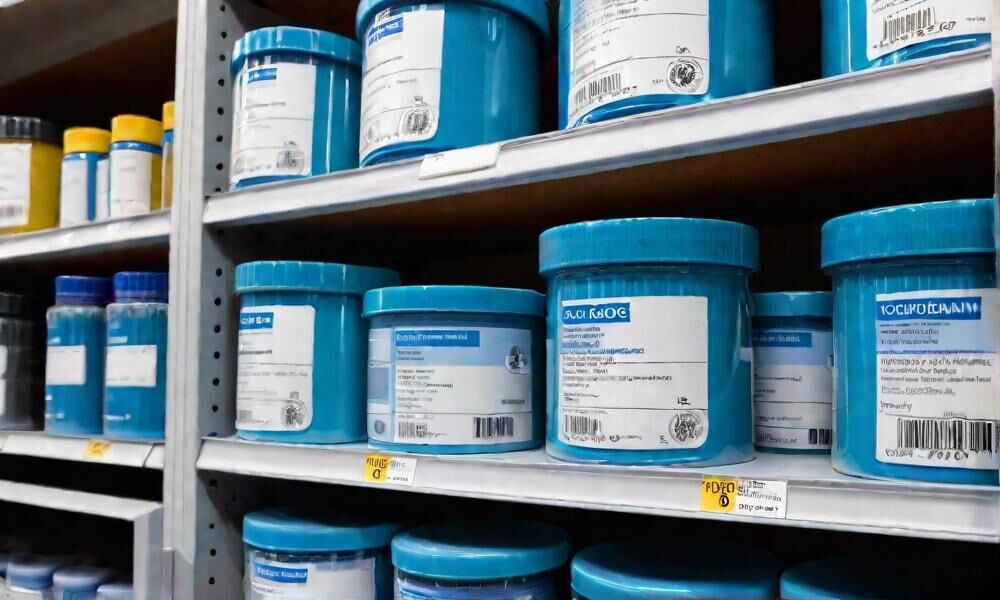
Understanding Safety Labels
Learn to interpret safety labels and symbols on pigment packaging. Familiarize yourself with hazard pictograms and precautionary statements to ensure safe use.
Handling and Storage Guidelines
Discover best practices for handling and storing pigments safely. Follow guidelines to prevent contamination and maintain pigment integrity.
Emergency Procedures
Equip yourself with knowledge on emergency procedures in case of accidental exposure or spills. Learn the steps to take to ensure safety and minimize risks.
Personal Protective Equipment (PPE)
Identify the appropriate personal protective equipment needed when working with different types of pigments to ensure your safety and well-being.
Environmental Impact Considerations
Understand the environmental implications of pigment use and disposal. Learn how to minimize your ecological footprint through responsible practices.
Regulatory Compliance
Stay updated with the latest regulations and compliance requirements for pigment use in South Africa. Ensure your practices align with legal standards.
Research Articles on Pigments
Recent Studies on Pigment Applications
Pigment Research Publications
South African Pigment Organizations
- South African Pigment Society
- National Institute for Pigment Research
- Pigment Manufacturers Association of South Africa
- South African Council for Pigment Studies
- Institute of Pigment Technology
- Pigment Research and Development Group
- South African Color Institute
- Association of Pigment Scientists
- Pigment Industry Council
- Pigment Innovation Network
- South African Pigment and Dye Association
- Pigment Research Foundation
- Pigment and Coatings Society of South Africa
- South African Pigment Research Alliance
- Pigment and Color Chemistry Association
- South African Pigment Development Forum
- Pigment Technology Society
- South African Pigment Research Institute
Pigment FAQs
What are pigments made from?
Pigments are typically made from a variety of natural and synthetic materials, including minerals, plants, and chemical compounds.
How are pigments used in industry?
Pigments are used in industries such as textiles, paints, plastics, and cosmetics to provide color and enhance product appeal.
What is the difference between a dye and a pigment?
Dyes are soluble in their application medium, while pigments are insoluble and require a binder to adhere to surfaces.
Are all pigments safe to use?
Most pigments are safe when used as intended, but some may contain harmful substances. Always refer to safety data sheets for guidance.
How do pigments affect the environment?
Some pigments can have environmental impacts due to their production processes or chemical composition. Efforts are ongoing to develop eco-friendly alternatives.
Can pigments be used in food?
Only food-grade pigments, approved by regulatory bodies, should be used in food products to ensure safety.
What are organic pigments?
Organic pigments are carbon-based compounds, often derived from natural sources, and are known for their vibrant colors.
How do I choose the right pigment for my project?
Consider factors such as color fastness, compatibility with materials, and environmental impact when selecting a pigment.
What is the role of pigments in art?
Pigments are essential in art for creating a wide range of colors and textures, allowing artists to express their creativity.
Discover More Pigment Resources
Unlock a world of pigment knowledge by exploring our extensive resources. Stay informed with the latest updates and insights by subscribing to our newsletter today!