Biology of skin color and pigment production
What is melanin and how it colors skin
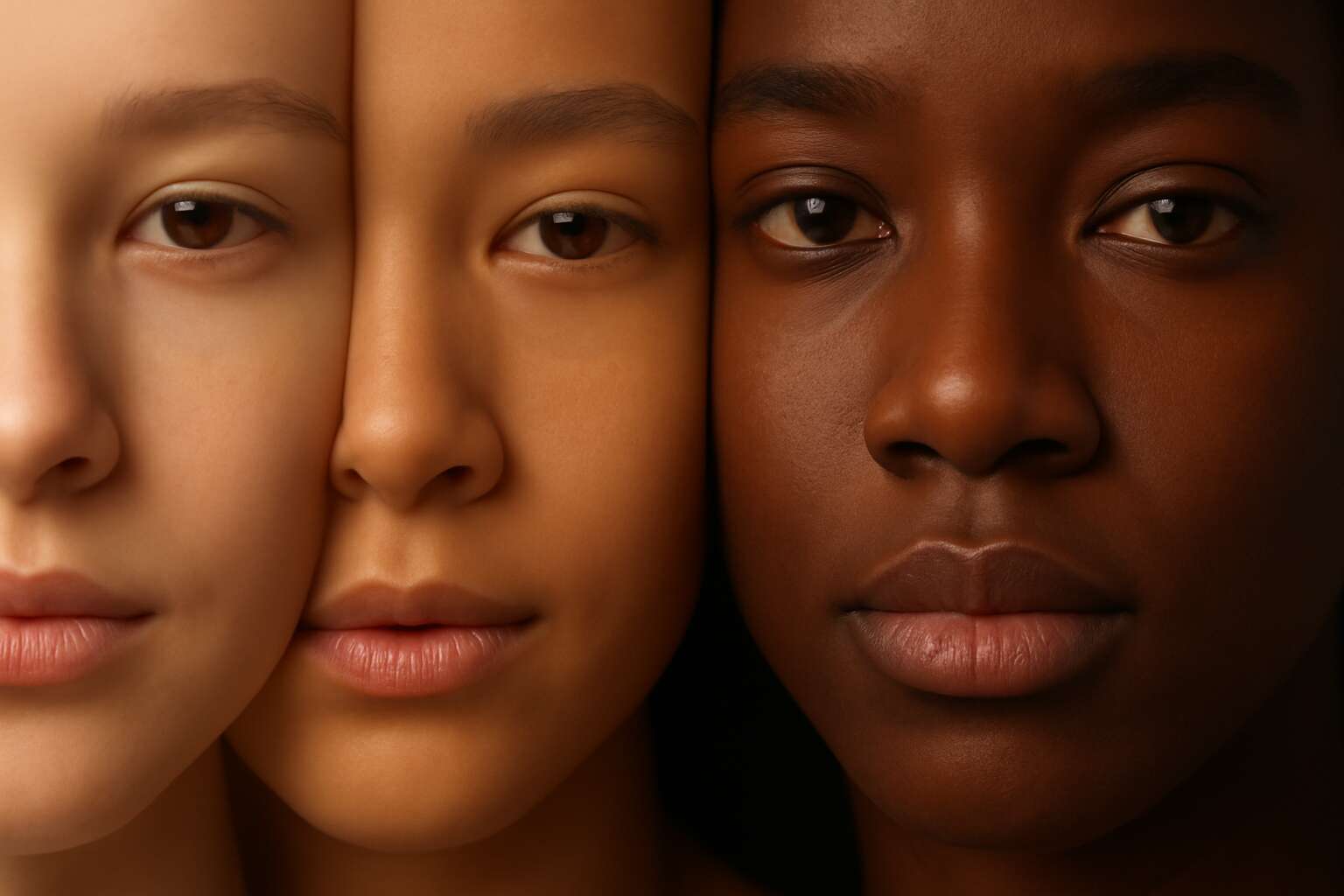
Across South Africa, skin tones shimmer along a vast spectrum—a living map of ancestry and sun, one of the world’s widest showcases of human diversity. This pigment that gives skin its color also shapes protection, responding to light with quiet precision. It acts like a dynamic sunscreen, built by cells that adapt to lifetime UV exposure. Stories of shade unfold from Cape Town to Polokwane.
Melanin is produced by melanocytes in the epidermis. These cells generate melanosomes and pass pigment to keratinocytes, coloring the outer layer. The ratio of eumelanin to pheomelanin, plus how evenly pigment spreads, explains why some people tan while others freckle. UV exposure signals production, nudging cells to shield DNA.
- UV triggers melanocyte activation
- Melanosomes move pigment to skin cells
- Genetic and hormonal factors shape the results
That pigment that gives skin its color follows a precise biology, a choreography etched in DNA and daylight.
Where melanocytes fit in the skin structure
In parts of South Africa, the UV index routinely hits 8 or higher, turning sun exposure into a daily pigment affair. The skin doesn’t just color itself by accident; it negotiates with daylight, dialing up or down melanin production.
Melanocytes sit in the epidermis and conjure the pigment that gives skin its color; melanosomes ride along to keratinocytes, coloring the outer skin layer. The exact shade depends on how eumelanin and pheomelanin mix and how evenly pigment travels through the skin.
- Melanocytes reside in the basal layer of the epidermis, ready to respond to UV signals.
- Melanosomes carry pigment to neighboring keratinocytes, depositing color in the upper skin layers.
- Genetic and hormonal factors modulate how much pigment is produced and how it spreads.
This is the biology that underpins human diversity and protects DNA under daylight’s watch.
The role of tyrosinase and pigment synthesis
How UV exposure affects pigment production
Sunlight writes the skin’s color story in real time. The pigment that gives skin its color reveals itself when light arrives, turning whispers of shade into a confident tan or a pale pause. In South Africa, the spectrum of tones keeps daylight honest.
Biology-wise, UV nudges skin cells to mobilize melanin-bearing packages. The result is a protective shield and a tone that shifts with seasons; the difference between bronze and blush hinges on how pigment is distributed and how long it lasts.
A few levers shape pigment production:
- Genetic baseline and historical shade potential.
- Hormonal and age-related tweaks that alter color perception.
- Activity patterns and sun exposure across SA’s varied climates.
Color is a dialogue between biology and environment, keeping complexion interesting rather than monochrome.
The main pigments that influence skin tone
Melanin types and their impact on shade range
Color is the language of light, and in South Africa’s tapestry of tones that language speaks in rich browns and honey highlights. The pigment that gives skin its color is more a spectrum than a single shade—a living duet of melanin that responds to light, climate, and mood with astonishing nuance.
Two forms of melanin orchestrate this spectrum.
- Eumelanin — brown to black: higher levels deepen shade and lend cool undertones.
- Pheomelanin — yellow to red: more of it lightens the palette with warm, sun-kissed hints.
The balance between them, together with how the skin disperses pigment, shapes the shade range you see in everyday life.
Beyond melanin, carotenoids from diet tint the outermost layer with a subtle yellow-gold glow, a secondary pigment that adds warmth without changing core tone. This living palette mirrors South Africa’s diverse faces, celebrating pigment as a luminous spectrum.
Carotenoids and their subtle yellow-orange tint
Carotenoids drift through the outermost skin layer, providing a subtle yellow-orange glow that rides atop the deeper pigment that gives skin its color. In South Africa’s luminous tapestry, this secondary hue adds warmth without changing the core shade. The effect is a gentle radiance—honeyed notes that soften edges and reflect the country’s sunlit days.
These pigments come from the diet and weave a quiet warmth into the complexion. Common sources include:
- Carrots
- Sweet potatoes
- Spinach
- Apricots
Carotenoids harmonize with melanin’s spectrum, enriching skin tone with a sun-kissed lift that remains delicate and true to its individual story.
Hemoglobin and the visible effects of blood oxygenation
In a country of about 60 million, the face carries a living map of blood and light. Hemoglobin’s oxygenation nudges the complexion toward rose or copper, and its hue shifts with the sun, exertion, and breath. Hemoglobin isn’t the pigment that gives skin its color, yet its red-blue dance through shallow vessels edits the surface tone with a quiet, vital glow.
- Oxyhemoglobin brightens with fresh oxygen, lending a pink lift to cheeks and lips
- Deoxyhemoglobin depthens color, giving subtle bluish or wine-tinted notes in thinner skin
- Nearby capillaries and hydration reveal vascular warmth and shadow, shaping overall tone
In South Africa’s radiant mosaic, these vascular whispers join with the deeper pigment to shape the skin’s unique, sunlit story.
Genetics, ethnicity, and variation in skin color
Genetic variants shaping melanin production
Color in human skin isn’t a random exception; it’s a densely woven tale of genes and history. In South Africa, the spectrum runs from pale gold to coffee brown, a vivid reminder that the pigment that gives skin its color is shaped by inheritance and environment. The more we learn, the more a single genetic twist can dial melanin production one notch up or down, changing how light dances across a surface.
Genetic variants shaping melanin production differ across ethnic groups, producing the range we see in communities around Johannesburg, Cape Town, and rural towns. These subtle differences map onto heritage and climate, creating a mosaic rather than a harsh division.
- MC1R and melanin synthesis
- ASIP and the switch between tones
- SLC24A5 and skin brightness variation
These scripts in our DNA mingle with UV history to craft the final appearance, a living spectrum that keeps surprising scientists and stylists alike. The pigment that gives skin its color travels in melanosomes, ready to respond to signals from the body and the sun.
Population-level differences in pigment distribution
Across South Africa, skin color unfurls like a mythic map—genetics and history inscribing a spectrum that outshines any single shade. The pigment that gives skin its color refuses to be pigeonholed; it is a living tapestry shaped by ancestry, climate, and time. Across cities and countryside, light dances differently on each surface—a reminder that hue is history as much as biology, and as dynamic as the sun itself.
Population-level differences in pigment distribution reveal how heritage and environment collide to sculpt variation. In Johannesburg, Cape Town, and rural towns, subtle shifts mirror centuries of movement and adaptation to UV exposure. The result is a mosaic that honors lineage while echoing today’s diverse tapestry.
- heritage and ancestry
- regional climate and sun history
- patterns of migration and intermarriage
Evolutionary factors affecting skin color
Across South Africa, skin color reads like a ledger of climate and kin. The pigment that gives skin its color is a living archive—part gene, part sun, part story—stitching together generations of migration and adaptation.
Genetics and ethnicity choreograph a broad spectrum of variation. Evolution favors different balances as communities faced varying UV histories; in some lineages, darker pigment protects folate, while others lean toward lighter tones where sun exposure is gentler. Intermarriage and movement write new shades into the map.
In the cities and rural spaces alike, we witness the human canvas as dynamic—a tapestry evolving with history and place.
- heritage and ancestry
- regional climate and sun history
- patterns of migration and intermarriage
Gene–environment interactions shaping pigmentation over a lifetime
“Shade is history written in skin,” an elder once told a researcher. Genetics and ethnicity choreograph a broad spectrum of variation. Across South Africa, ancestry and environment fuse to craft a living shade map. The pigment that gives skin its color is a flexible archive—part gene, part sun, part story—shifting with age, health, and climate. This dynamic process threads generations of migration, settlement, and daily sun under a southern sky. In classrooms and farms alike, communities notice how shade makes a home in the body and a memory on the land.
Gene–environment interactions shape pigmentation over a lifetime, and researchers observe how families speak of shade as a lineage talisman.
- UV exposure patterns during childhood and adolescence
- Dietary micronutrients that support pigment pathways
- Health, medications, and stressors that nudge shade over time
Epigenetics and skin pigmentation plasticity
Across South Africa’s variegated landscape, shade carries a long history—genetics and climate write it across generations. The pigment that gives skin its color is a living archive—not fixed, but braided from ancestors and climate.
Genetics and ethnicity map across populations, yielding a spectrum of variation. In communities from Cape Town to Limpopo, inherited variants influence melanin pathways, while environment tweaks how shade shows up in everyday skin.
- UV exposure in childhood shapes pigment-pathway gene activity
- Nutrition and micronutrients influence melanin synthesis
- Stress, illness, and medications can alter epigenetic marks
Epigenetics reveals skin’s plasticity: two people with similar ancestry can diverge in tone based on life—sun, diet, health—under a southern sky. This dynamic dialogue between genome and experience blends heritage with the climate of daily life.
Lifestyle, health, and external factors that affect pigmentation
Sun exposure and photoaging effects on pigment
Across South Africa, the sun stamps its signature on our skin, and up to 80% of visible aging is attributed to sun exposure. This quiet sculpting job leaves a record on the pigment that gives skin its color, shifting tones as seasons tilt and light shifts.
Lifestyle and health choices—sleep rhythms, stress, smoking, and nutrition—work like weather on a mural, softening or sharpening lines of tone. I hear the city breathe through our tones. External factors, from air quality to heat, mingle with pigment in a slow, patient chromatic dance.
- UV index and daylight patterns
- Pollution and environmental stressors
- Nutritional status and hydration
Photoaging acts as a patient archivist, coaxing pigment to relocate or intensify in patches, sometimes brightening, sometimes shadowing. The canvas remains dynamic, adjustable by time, climate, and human rhythms!
Skin conditions and pigment changes
Across South Africa, up to 80% of visible aging is tied to lifestyle and sun exposure, a daily script written on our skin. Our sleep rhythms, stress, smoking, and nutrition act like weather on a mural, softening or sharpening tones of pigment. The pigment that gives skin its color traces these rhythms, shifting with seasons, hydration, and even hormonal changes. External factors, from heat to air quality, mingle in a slow, patient chromatic dance.
Skin isn’t a static canvas; conditions such as hyperpigmentation, melasma, or patches after irritation reveal how pigment moves under pressure. When inflammation fades, some tones remain brighter; in other moments, tones darken into visible patches. The dance is personal and regional—shaped by climate, skincare choices, and the body’s rhythms—that makes every complexion a living story of light and shade.
Diet, nutrition, and pigment availability
Across South Africa, up to 80% of visible aging is tied to lifestyle and sun exposure—the daily script written on the skin. The pigment that gives skin its color acts like a stubborn barista, taking orders from sleep quality, stress, and what lands on our plates. It shifts with hydration and hormonal rhythms, turning a passport photo into a living mural of light and shade. Skin isn’t static; it’s a living mural that remembers every hot day and every late-night snack.
Diet and nutrition aren’t backstage; they’re part of the performance. The pigment that gives skin its color responds to what you eat, drink, and absorb through your gut, nudging brightness and depth without promising miracles. In a climate as varied as ours, what we feed can gently sway tone.
- Hydration and water-rich foods support surface moisture
- Vitamin C–rich produce helps even tone and resilience
- Healthy fats and minerals contribute to skin’s radiance
Hair and skin: how external factors alter perceived color
Across South Africa, up to 80% of visible aging is written on the skin by lifestyle and sun exposure—a living ledger for pigment that gives skin its color.
External factors—sleep quality, stress, pollution, and the sun’s capricious moods—alter how light meets the surface and how color reads in both skin and hair.
- Hydration and water-rich foods support surface moisture and subtle glow
- Quality sleep and recovery rhythms shift dullness toward brightness
- Air quality and occupational sun exposure sculpt perceived tone
- Skincare and hair care choices influence how light reflects off pigment
This is a living canvas, and the pigment that gives skin its color shifts with the rhythms of life, weaving brightness and depth with every dawn and dusk.




0 Comments