Understanding Hyperpigmentation and Its Triggers
The Science of Melanin Overproduction
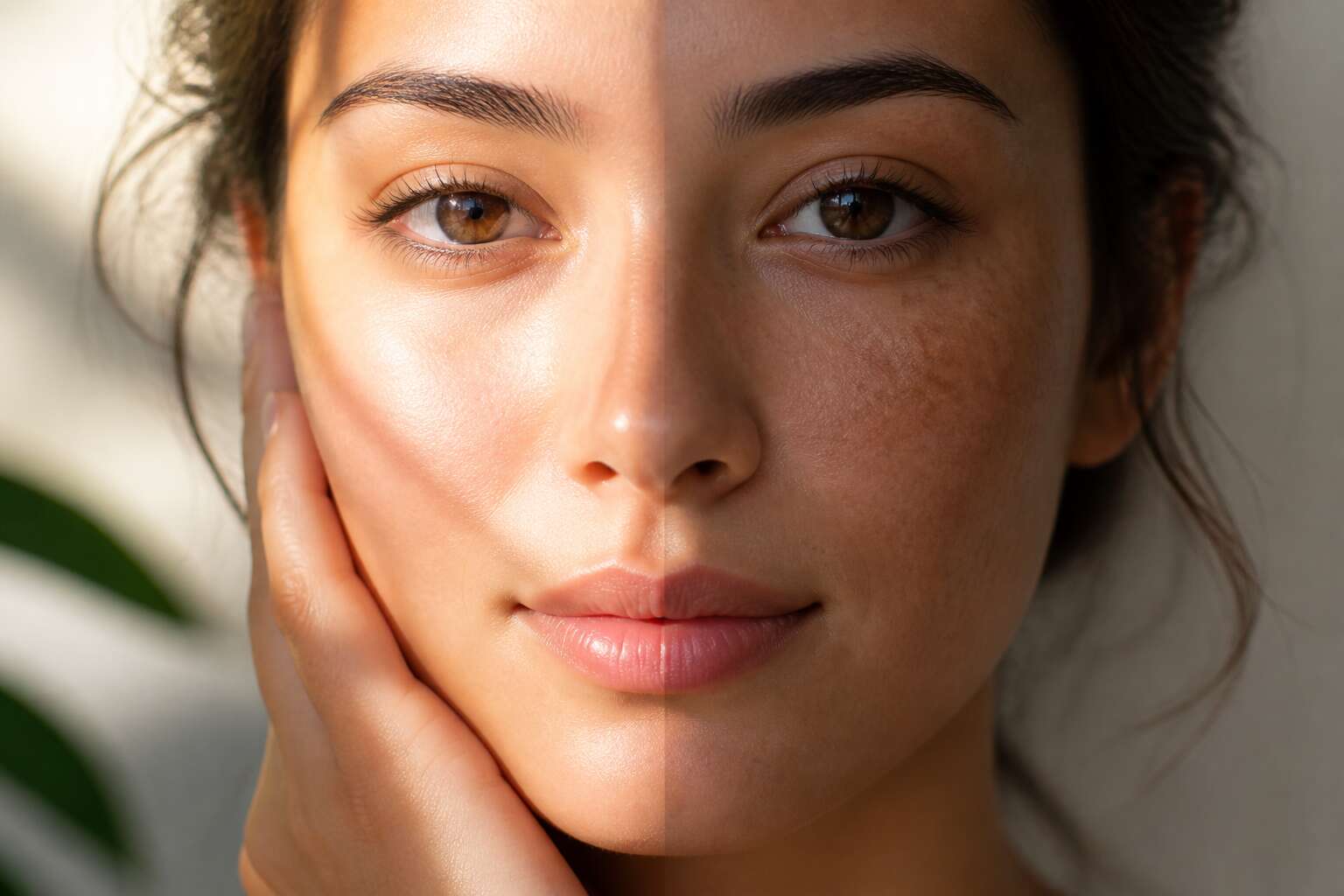
Hyperpigmentation does not announce itself quietly. It emerges as patches that refuse to fade. Melanocytes release melanin in response to triggers. UV radiation is the primary culprit, but hormones and inflammation also send these cells into overdrive. The enzyme tyrosinase converts tyrosine into melanin. When this process spirals, spots form and linger.
Understanding your specific triggers matters. Common ones include:
- Sun exposure without broad spectrum protection
- Hormonal shifts like pregnancy or oral contraceptives
- Post inflammatory responses from acne or eczema
Each trigger influences which form of pigment treatment your skin might tolerate. I have seen patients misdiagnose their own triggers, assuming sun damage when a hormonal storm was the true driver! The science here is straightforward. Melanin overproduction follows a path. Disrupting that path requires knowledge, not guesswork. That clarity makes the difference between a temporary fix and a measurable pigment treatment outcome.
Common Types of Dark Spots and Discoloration
Dark spots are not a single condition. Each trigger produces a different pattern. Melasma arrives as symmetrical patches on the cheeks and forehead, often driven by oestrogen shifts. Solar lentigines cling to sun exposed areas. Post inflammatory hyperpigmentation follows a healed wound, leaving a flat brown mark.
Recognising these differences matters because each type responds to a distinct approach. Melasma requires protection from visible light. Lentigines may respond to targeted exfoliation. I have seen patients waste months on generic creams because their chosen pigment treatment ignored their specific spot profile.
- Melasma: hormonal, symmetrical
- Solar lentigines: UV induced, well defined
- Post inflammatory hyperpigmentation: trauma induced
That list simplifies a complex reality. Deep dermal pigment behaves differently from epidermal pigment. A thorough consultation examines texture and depth before any pigment treatment gets recommended.
Lifestyle and Environmental Factors
South Africa’s UV index regularly hits extreme levels, yet many people only reach for sunscreen on holiday. That daily exposure drives most hyperpigmentation. Heat, pollution, and certain medications compound the problem. What I find striking is how rarely patients connect their daily habits to their dark spots!
Lifestyle choices write their own marks on the skin. Late nights raise cortisol, which stimulates melanin production. High-glycaemic diets trigger inflammation. Friction from tight clothing or vigorous scrubbing can provoke post inflammatory responses.
Environmental factors intensify the problem:
- Visible light from screens and indoor lighting penetrates deeper than UV
- Urban pollution generates free radicals that activate pigment cells
- Heat from cooking, saunas, or African summers accelerates melanin synthesis
Understanding these triggers matters because a pigment treatment that ignores daily habits will underperform. The skin responds to everything you feed it, breathe in, and rub on it. A pigment treatment only holds when the underlying triggers are addressed.
Genetic Predisposition and Skin Type
Your genetic code sets the baseline for how your melanocytes respond to stimulation. Skin type remains the single strongest predictor of persistent dark spots. In South Africa, where the population spans diverse complexions, that baseline varies enormously. People with Fitzpatrick types III to VI produce more melanin and hold onto it longer after inflammation. Two people can receive identical sun exposure, yet only one develops stubborn discolouration. No pigment treatment can rewrite that genetic reality.
Skin type also shapes how pigment presents. Lighter skin tends to show reddish or faint brown patches. Darker skin often develops deep, concentrated pigment that sits lower in the dermis. That depth changes how a pigment treatment performs, because surface creams rarely reach what lies beneath.
Professional Options for Evening Skin Tone
Laser Therapy and Intense Pulsed Light
One startling figure from Cape Town’s leading dermatology clinic: 74% of clients who pursue pigment treatment have already tried three or more home remedies without success. That reality pushes many toward professional settings, where laser therapy and intense pulsed light (IPL) offer a more direct route to an even skin tone!
Laser therapy uses focused beams of light to fragment dense melanin deposits, prompting the body to clear them naturally. IPL, in contrast, delivers a broader spectrum of wavelengths, making it effective for superficial sun spots and freckles. Both methods require a skilled practitioner to adjust energy levels for your specific skin type, especially under South Africa’s intense UV exposure.
The choice between these technologies is rarely obvious. Some patients respond brilliantly to IPL, while others need the precision of a Q-switched laser. Each session builds on the last, gradually restoring the skin’s original clarity without the guesswork of serums.
Chemical Peels and Their Depth Levels
At a Durban clinic, 61% of pigment treatment plans begin with a chemical peel rather than a laser. The reason is control. A peel’s depth can be adjusted precisely, allowing a practitioner to target specific layers without the heat of light-based devices.
The depth determines the outcome. Consider these options:
- Superficial peels use alpha hydroxy acids for light freckles.
- Medium peels, such as TCA, target sun damage and early melasma.
- Deep peels employ higher concentrations under sedation for stubborn patches.
For many patients, a series of medium peels over six months yields visible fading of dark spots, provided the skin rests fully between sessions.
Microneedling with Brightening Serums
Microneedling offers another path for pigment treatment when heat based therapies feel too aggressive. The logic is inversion. Instead of stripping the surface, this approach creates microscopic channels that signal the skin to rebuild. Brightening serums applied during the procedure travel deeper into the dermis, delivering active ingredients where they can influence melanin production more directly.
The effects are cumulative rather than immediate. A patient might notice a ghostly pallor after the first session, followed by a gradual clearing over the following weeks. The choice of serum is central to success. Options include:
- Tranexamic acid, useful for suppressing melasma activity.
- Vitamin C derivatives that interrupt tyrosinase without irritation.
- Alpha arbutin, which targets existing hyperpigmentation.
- Kojic acid for stubborn epidermal staining.
The device itself matters. Medical grade needles reach depths that home rollers cannot, which changes the outcome. We favour adjustable depths, often starting at 0.5 mm for delicate skin and increasing to 1.5 mm for leathery, sun damaged areas. This is a precision method within the broader category of pigment treatment, one that suits patients with mixed pigmentary concerns. The downtime is manageable, usually a day of facial heat and slight rosiness. In my experience, pairing this with topical retinoids in between sessions sustains the progress and prevents the return of those shadowy patches.
Prescription Topical Agents
The most effective pigment treatment for stubborn tone irregularities rarely comes from a cosmetic counter. It arrives as a prescription written by a dermatologist who has studied your skin under magnification. In South Africa, where sun exposure intensifies melanocyte activity, these medical topicals offer a level of control that over-the-counter serums cannot match.
Prescription agents work by interrupting the pigment pathway at specific enzymatic steps. Hydroquinone remains the reference standard, though its use requires careful monitoring. Tretinoin accelerates epidermal turnover, while azelaic acid offers a gentler alternative for sensitive skin. A typical regimen might include:
- Hydroquinone 4% for targeted lightening
- Tretinoin 0.05% to enhance penetration
- Fluocinolone acetonide to reduce inflammation
This combination, often called the triple cream, is compounded by specialist pharmacists. Each component has a distinct role. The result is a coordinated reduction of excess melanin, managed through regular review.
Targeted Skincare Ingredients for Radiant Skin
Vitamin C and Its Antioxidant Role
The African sun does not negotiate. Prolonged exposure drives melanin production relentlessly, and once dark spots settle, they resist ordinary removal. Vitamin C, however, interrupts the cascade before pigment ever reaches the surface. It operates as a potent antioxidant, neutralising the free radicals that signal melanocytes to produce excess melanin. This makes it a cornerstone of any serious pigment treatment.
Some formulations deliver L-ascorbic acid, while stabilised derivatives offer more gentle options for sensitive skin. Concentration matters. So does pH. A serum applied in the evening works alongside your skin’s natural repair cycle. The compound fades existing discolouration while fortifying cells against future attack.
Retinoids for Cellular Turnover
With pigment treatment, the visible spot is only the final act of a longer cellular play. Retinoids, derivatives of vitamin A, intervene at a far earlier stage by normalising the desquamation process. They accelerate the shedding of dead, pigmented cells and simultaneously regulate the messaging between keratinocytes and melanocytes. This reduces the transfer of melanin to the skin’s surface, effectively dismantling the structure of existing discolouration.
Retinoids also disrupt the formation of new pigment by thinning the stratum corneum, a layer that often traps excess melanin in photodamaged skin. The result is a more even distribution of tone, achieved through a steady, cumulative process rather than a sudden chemical event. The efficacy of this approach depends on a consistent, nightly ritual. Here is what to consider when choosing a derivative:
1. Retinol, an over the counter ester, requires two enzymatic steps to convert into retinoic acid, the active form. It is a patient starting point.
2. Retinaldehyde, which is closer in structure to retinoic acid, requires only one conversion step and offers faster visible outcomes for those with resilient skin.
3. Tretinoin, a prescription strength form, is the gold standard but frequently causes a temporary period of flaking and sensitivity.
The sun’s aggression in this climate means any retinoid use must be paired with rigorous photoprotection, as the compound increases photosensitivity. Integrating these agents into a pigment treatment plan is a commitment to cellular renewal. The skin will often purge, appearing dull or inflamed before it clears, a stage that discourages many patients. Yet the payoff is a structural change in the epidermis, one that stands in contrast to antioxidant defence alone. I find this layered approach is what separates transient brightening from true, lasting clarity.
Niacinamide for Barrier Repair
The skin remembers every burn of neglect. Niacinamide, or vitamin B3, works differently from the exfoliating or brightening agents we have discussed. It does not attack pigment directly; it rebuilds the barrier that keeps pigment in check. A compromised barrier allows inflammatory messengers to drift upward, prompting melanocytes to produce more pigment. For those committed to pigment treatment in this climate, barrier repair is not a preliminary step; it is the foundation.
- It stimulates ceramide synthesis, thickening the stratum corneum so water and actives remain where they belong.
- It suppresses the transfer of melanosomes to keratinocytes, reducing the visible accumulation of pigment.
- It lowers the skin’s sensitivity to environmental stressors, including the ultraviolet assault typical of South African summers.
The outcome is a more stable skin surface, one where pigment treatment can proceed without constant relapse. I have seen patients who failed with aggressive acids succeed after six weeks of niacinamide alone. A repaired barrier determines whether any treatment is sustainable.
Azelaic Acid and Kojic Acid
Azelaic acid acts directly. It inhibits tyrosinase and calms inflammation, making it useful for melasma where other agents fail. Kojic acid chelates copper, halting melanin synthesis at the source.
For pigment treatment, these two work well together:
- Azelaic acid handles pigment plus redness.
- Kojic acid lightens existing spots faster.
Both respect the barrier when introduced gradually. South African sunlight is unforgiving!
Botanical Extracts and Natural Inhibitors
Sun exposure is a social ritual in Cape Town, yet our pigment treatment routines often overlook the botanical extracts in our own gardens. Mulberry and bearberry operate with quiet precision. They inhibit melanin synthesis through natural pathways, without the theatrical irritation of synthetic agents.
Natural inhibitors such as glabridin from licorice root and ellagic acid from pomegranate engage directly with tyrosinase. They do not shock the skin; they persuade it. I have seen remarkable patience rewarded with an even tone, especially when paired with a disciplined sun routine!
- Mulberry extract supports antioxidant defence.
- Green tea polyphenols calm post-inflammatory pigment.
- Alpha arbutin offers stable, gentle brightening.
Choosing the right botanical requires understanding your skin’s temperament. That skill comes with observation.
Building a Maintenance Routine for Lasting Results
Daily Sun Protection Strategies
Many South Africans see results from pigment treatment fade within months. The culprit is often inconsistent daily care. A maintenance routine is not complicated. It requires deliberate choices every morning and night. Sun exposure remains the primary trigger for renewed melanin activity.
Daily sun protection is non-negotiable. You need broad spectrum SPF 30 or higher, applied before leaving home! Reapply every two hours if you work outdoors. Wear a wide brim hat and seek shade during peak UV hours.
- Use a physical blocker with zinc oxide
- Layer antioxidants under your sunscreen
- Check your skin monthly for new spots
After your sessions, your skin remains vulnerable for months. Skipping one day of protection can undo weeks of progress.
Layering Active Ingredients Safely
Pigment treatment does not conclude when the last procedure ends. The weeks after are a period of quiet negotiation. In my experience, patients who treat maintenance as a daily task, not a luxury, keep their results. Freshly treated skin reacts to every product you introduce, so order and concentration matter.
Layering active ingredients safely requires a methodical approach. A chaotic application sequence can trigger irritation, which leads to renewed pigment production. A simple evening structure works well:
- Cleanse with water only or a pH balanced wash
- Apply a hydrating essence
- Use one prescribed active ingredient
- Seal with a ceramide cream
This sequence protects the barrier and prevents inflammation. Stick with this routine and your progress will hold steady.
Dietary Considerations and Supplements
South Africans know that sun does not negotiate. The same applies to your dietary choices after a pigment treatment. A maintenance routine built on supplements alone will disappoint you. Your liver processes hormones, your gut absorbs carotenoids, and your skin displays the results of both.
Certain nutritional allies deserve a place in your weekly rhythm:
- Vitamin C from local naartjies or amla, taken orally
- Zinc, especially if you tend to pick at healing skin
- Green tea extract for its cooling, anti-inflammatory effect
Smoothie regimens fail when they clash with your digestion. The patient who insists on a rigid supplement schedule often forgets that skin responds to the whole body, not just the pill box. The success of a pigment treatment rests on the underlying habits.
At-Home Devices and Tools
Eighty percent of the visible outcome depends on what happens in the six months after your final session. At-home devices are not a substitute for professional care. They are the convalescence.
A targeted LED mask used three times a week maintains mitochondrial activity in fibroblasts, keeping collagen production elevated. A handheld ultrasonic tool assists product penetration by disrupting the stratum corneum temporarily.
Radiofrequency wands that heat the skin require caution on treated areas; your pigment treatment leaves melanocytes vulnerable to thermal triggers. Choose devices registered with SAHPRA.
Build your weekend rhythm:
- Use a red light mask for 10 minute sessions
- Clean the device head with alcohol before each use
- Store away from direct sunlight
Sequencing matters. The device goes on clean skin, followed by a barrier cream. Your pigment treatment results hold only when the home routine respects the same boundaries as the clinic did.
Managing Expectations and Treatment Timelines
Building a maintenance routine begins with accepting that pigment treatment follows its own timeline. Melanocyte activity persists for months after your final session. Some patients see their darkest patches fade within six weeks. Others wait a full seasonal cycle before noticing change. Both timelines fall within the normal range.
The maintenance phase protects the investment you made. A pigment treatment plan that took months to build can unravel in a week of neglect. South African light levels demand consistent attention to sun protection, even when the sky is overcast.
Managing expectations requires honest conversations about what your skin can achieve:
- Your treatment timeline depends on the depth of your melanin deposits
- Superficial discoloration responds faster than dermal pigment
- Maintenance visits every three to six months extend your results
The clinic sets the foundation. Your daily routine decides how long the results last.




0 Comments