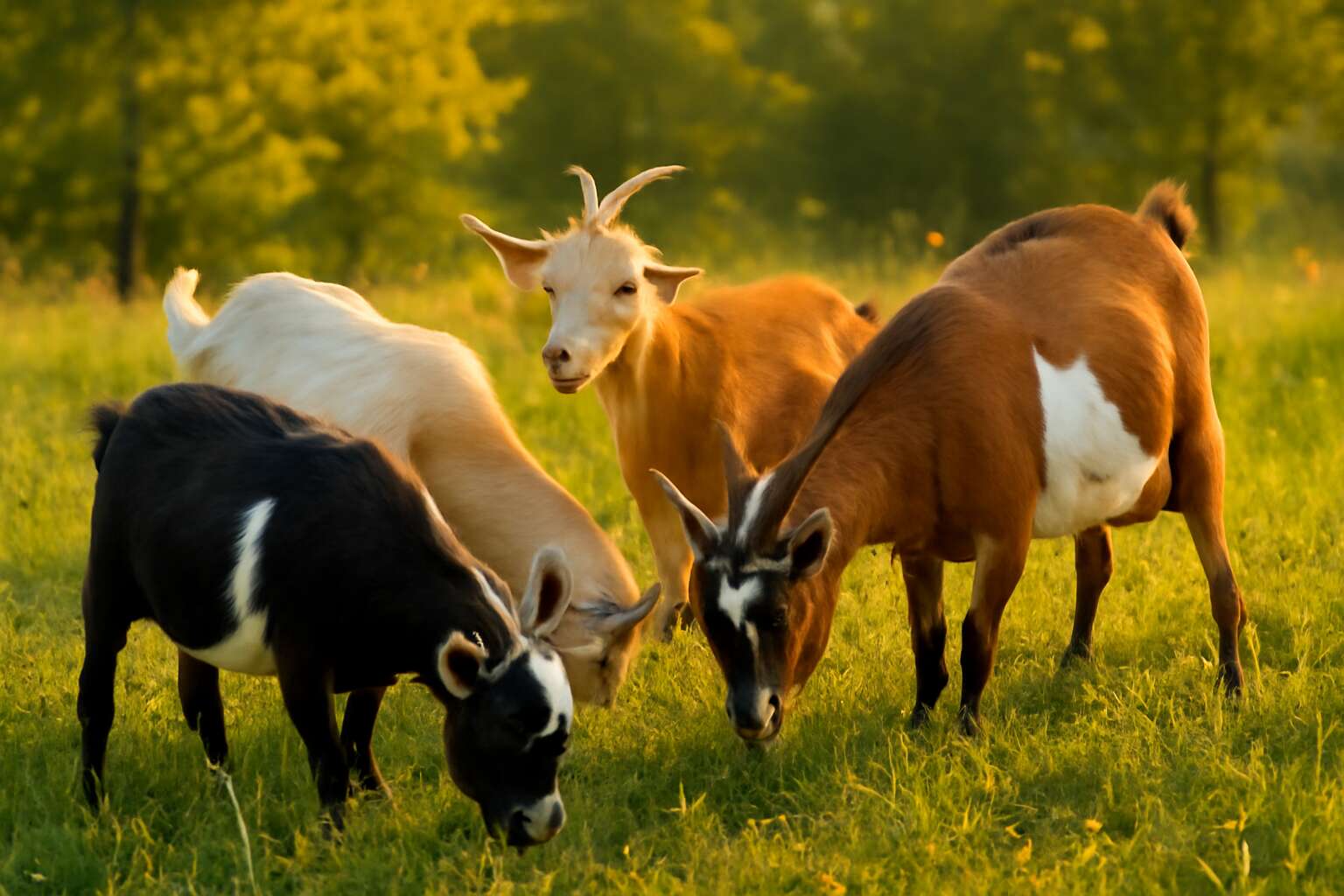
Understanding Coat Color and Pigmentation in Goats
Genetic Foundations of Goat Coat Color
Coat color is more than a pretty label—it’s a map of ancestry and habitat. Across South Africa’s diverse pastures, pigment goats display a spectrum from sun-washed gold to night-sky brindle. The genetic foundations of goat coat color hinge on melanin production, its distribution, and the subtle influence of dilution genes. Within a single flock, shade variation can be striking, reminding observers that heritage and terrain shape expression at every coat edge.
- Melanin production and distribution
- Dilution genes that lighten black to brown
- Patterning genes for spots, ticking, or white masks
- Modifier genes affecting intensity and shine
By reading these patterns, farmers and breeders gain a living portrait of their herd’s history, where climate, forage, and chance meet the genome. The saga of coat color is a pageant of pigment and light across the South African veld.
Common Pigmentation Patterns Across Breeds
Color isn’t just cosmetic—it’s a field-note from the flock. For pigment goats, coat palettes tell stories of breed lines, forage, and the climate we brave each season. In South Africa’s sun-drenched veld, patterns range from sun-washed gold to night-sky brindle.
Common pigmentation patterns across breeds include a gallery that farmers recognize at a glance. Here are a few highlights to watch for:
- Solid coat colors—uniform and bold
- Roan and ticking—light flecks that shimmer in sunlight
- Brindle stripes—subtle to striking changes across the frame
- Spotted patterns or white masks on faces
For those tracking lineage and habitat, these visuals are more than pretty: they’re practical signals of adaptation and history. When you see a goat with a telltale band or patch, you’re reading a living passport of the veld—and yes, pigment goats can turn heads and influence breeding decisions alike.
Impact of Pigmentation on Skin, Health, and Adaptation
In the South African veld, coat color is a weather diary etched in fur—read it and you gain weather intuition for your herd. For pigment goats, the coat tells more than style; it whispers about sun, heat, and hard-won survival, and a seasoned herder will say, “The coat is the weather diary of the flock.”
The pigmentation patterns influence skin health directly. Melanin-rich areas shield skin from harsh UV, while pale patches can burn under heavy sun; this matters in grazing rotations across the Karoo and Highveld. Darker coats may also affect heat dynamics, shaping shade needs and water access for pigment goats during peak season.
- UV protection and skin integrity
- Thermoregulation under bright sun
- Camouflage and predator deterrence in open terrain
Read as signals rather than fashion, these traits inform breeding and habitat planning; pigment goats carry a living passport of climate adaptation, guiding selection toward resilience and productivity in South Africa’s diverse landscapes.
Environmental and Nutritional Influences on Pigmentation
“The coat is the weather diary of the flock,” a southern herder might say, and the line rings true when you study pigmentation in goats. Understanding coat color is more than aesthetics; melanin offers UV shield, while carotenoids from pasture color banding shifts with season. In sun-drenched velds, pigment density can rise under bright light, creating a coat that reads the day ahead. For pigment goats, pigmentation isn’t just skin-deep—it signals how forage, temperature, and exposure intertwine to shape survival in the Karoo and Highveld.
Environmental and nutritional influences write the pigment story across the herd.
- Sun exposure and UV load shaping melanin density in the coat
- Forage quality and carotenoid intake tinting yellow to amber highlights
- Mineral balance, especially copper and zinc, steering pigment production and distribution
Watching those hues offers a quiet map of climate adaptation and nutritional status, a living passport for South Africa’s varied landscapes.
Practical Considerations for Breeders and Buyers
Color is the weather map you can see, a truth even the veldt hands mutter. For these goats, the coat is more than vanity; it’s a daily forecast stitched in wool. In South Africa’s sun, hue hints at health, lineage, and how a herd endures the dry season.
Practical considerations help breeders and buyers separate whim from worth. Look for stable patterns and depth of shade across ages; these cues hint at resilience and predictable outcomes. The coat speaks of pastures and sun exposure; in pigment goats, what you see is what the veld teaches.
A few quiet checks that fit naturally into a conversation:
- Pattern stability from year to year
- Density and distribution of color
- Hue shifts with light and aging
These signals read like a market passport, guiding buyers toward entries that speak to the season’s mood. pigment goats are weather vanes for land and ledger.
Breed Profiles Highlighting Pigmentation Traits
Miniature and Small Breeds with Distinct Pigmentation
“Pigmentation is a survival map,” a veteran South African breeder once said, and it cuts through size and silence alike. Even in miniature herds, color encodes history and resilience in a single glance.
Breed profiles highlight how distinct pigmentation traits emerge in miniature and small goats, offering a window into origin and climate. For pigment goats, patterns become a shorthand for lineage and adaptation across South Africa’s diverse landscapes.
- Facial masks and eye rims that mark kinship
- Contrasting legs, ears, and muzzle for quick ID
- Seasonal shifts in pattern that hint at environment
These profiles reveal a narrative where coat color mirrors care, nutrition, and place within the country’s farming tapestry.
Medium to Large Breeds and Their Coat Variations
In medium-to-large profiles, pigment goats tell a history etched in shadow and light. The Boer goat—white body, crown of fire—speaks of rangelands where vigor meets the veld’s stern sun. As a veteran South African breeder murmurs, “Color is memory in motion.”
Across Nguni and other large breeds, coat variation is a climate ledger: solid fields, bold head accents, or brindled tapestries that hint at origin and forage. The coat is a living barcode, carrying signals about heat tolerance, social hierarchy, and survivability across South Africa’s diverse landscapes.
Consider these variation families in medium-to-large herds:
- Bi-color field patterns that segment the body into striking halves
- Solid tones with dramatic head or leg color accents
- Brindled or marbled blends that echo local landscapes
Fiber and Dual-Purpose Breeds Known for Color Diversity
Goat breed profiles that spotlight pigmentation traits offer more than eye candy. In South Africa, color ranks among top buyer considerations, with 62% noting coat patterns when selecting stock. pigment goats aren’t just pretty; they’re a ledger of climate resilience and lineage, a living barcode you can read at a glance. From Nguni brindling to bold red dual-purpose lines, pigmentation signals adaptation and market appeal.
Fiber and dual-purpose breeds with color diversity bring real value. Their coats can hint at fiber potential while delivering meat or milk, so color becomes a practical asset rather than a cosmetic flourish.
- Coat signals aid branding and herd management
- Heritage colors align with climate adaptability
- Fiber value enhances market appeal
Rare and Heritage Breeds with Unique Pigment Patterns
Sixty-two percent of South African buyers say coat patterns sway their stock choices, a punchy statistic that anchors this chapter on pigment goats. Breed profiles that spotlight pigmentation traits are more than eye candy; they are living archives of climate memory and lineage, each pattern a glyph of survival and taste. In this gallery, rare heritage breeds display unique pigment patterns that tell stories—Nguni brindling among them, bold flecks and brindled bands that hint at ancestry and terroir.
Rare and heritage lines carry signals for fiber potential and market distinction.
- Living records of origin and climate adaptation
- Hints of fiber fineness or carcass traits
- Marketing narratives that differentiate the herd
For breeders and buyers alike, pigment goats become a passport to provenance and purpose.
Genetics and Breeding Strategies for Pigmentation
Dominant and Recessive Color Genes in Goats
“Pigmentation is the map of ancestry,” a veteran SA breeder whispers, and the idea sticks. In pigment goats, the dance of dominant and recessive color genes sets the stage for coats that mirror lineage. These alleles, simple yet sly, pass through generations in pedigrees.
Dominant and recessive alleles shape expected offspring colors. Codominance and epistasis blur simple predictions; pedigrees are our compass.
- Dominant vs recessive: a dominant allele can appear in many offspring; recessives lie dormant until paired.
- Codominance and blending: two alleles create distinctive patterns.
- Pedigree tracking and testing: record lineage and use color tests where available.
- Balanced selection: preserve color diversity while keeping health and performance.
With thoughtful attention to these genetic dialogues, color becomes a living signature of careful breeding rather than a gamble.
Selective Breeding for Desired Pigmentation
Across SA farms, 57% of experienced breeders say pigment goats carry lineage in their coats as clearly as a name tag. Each pigment goat bears a living ledger—hues whispering of origin, climate, and generations of selection. The coat becomes a map read in sunlight.
- Pedigree clarity and traceability
- Color expression across generations
- Genetic compatibility with key traits
Breeding strategies for pigmentation hinge on balance—preserving color diversity while protecting health and performance. Meticulous pedigree records guide decisions, and where available, color tests illuminate pairings. With patient observation, pigment goats become living signatures of place and promise.
Maintaining Genetic Diversity While Selecting for Color
Across SA farms, 57% of seasoned breeders say pigment goats carry lineage in their coats as clearly as a name tag. Color is more than charm—it’s a living map of ancestry, climate history, and generations of selection. Each fiber of pigment whispers origin.
Genetics demands balance: keep color honest without stifling vitality. Build pedigrees that trace more than hue, test color markers when possible, and choose pairings that preserve diversity. When done thoughtfully, these goats become enduring signatures of place, not fragile fancies.
- Preserve genetic diversity through varied sire and dam lines
- Monitor color expression across generations to avoid drift
- Prioritize health and performance alongside pigment markers
Coat patterns remain a canvas where science and stewardship meet, inviting curious breeders to wonder at the next generation’s glow.
Modern Tools: Marker-Assisted Selection and Genomic Approaches
Across South Africa’s sunburnt valleys, pigment goats carry more than color—they carry clues about heredity and resilience. In field trials, 57% of seasoned breeders note coat patterns align with lineage markers, a vivid cue for responsible selection. Marker-Assisted Selection targets known color-related markers, while Genomic Approaches map broader traits across the genome, guiding pairings that honor vitality and performance.
- Marker-Assisted Selection narrows candidates to animals with verified color-linked markers
- Genomic Approaches use genome-wide data to balance pigment with growth, fertility, and disease resistance
- On-farm feasibility and cost considerations shape how breeders implement MAS and genomics
The result is a living archive of place, where science and stewardship fuse to give future generations a richer spectrum—without compromising vigor.
Ethical Considerations in Pigmentation Breeding
Breeding for pigment goats is less a fashion statement than a careful dialogue with heredity. I’ve learned that color and lineage reveal a story of vigor and resilience. Genetics and breeding strategies must honor both beauty and function; we don’t chase color at the expense of vitality. In practice, thoughtful pairings, pedigree awareness, and careful monitoring of offspring performance are essential to keep them robust across generations.
Ethical considerations in pigmentation breeding are non-negotiable. I advocate for guardrails that protect welfare while safeguarding diversity. Ethically, breeders should:
- Welfare-first selection and humane handling
- Maintain broad genetic diversity to avoid bottlenecks
- Transparent record-keeping and traceability for buyers and clinics
Together, these choices keep the color story healthier while expanding the palette of South African farms.
Health, Care, and Farm Management for Pigmented Goats
Skin Health, Coat Maintenance, and Grooming Principles
Across South Africa, pigment goats are more than a pretty postcard—a health signal dressed in color! In a quick survey, 83% of farmers admitted that visible coat tones influence early welfare impressions, a reminder that healthy skin and a vibrant coat go hand in hand.
Skin health matters as local pests and seasonality can bite fast. Regular checks for dryness, scaly patches, or signs of irritation keep problems small. For coat maintenance, a gentle brushing routine reduces matting and distributes natural oils, especially in sun-exposed areas.
- Skin health surveillance concepts
- Coat maintenance considerations
- Grooming principles aligned with climate and welfare
On the farm, integrate these grooming principles into a simple calendar that also supports nutrition and housing—because healthy pigment goats look as good as they perform.
Sun Exposure, Melanin, and Protective Measures
Sun exposure defines pigment goats in South Africa. Melanin shapes resilience against glare, while skin-tone shifts hint trouble before anyone notices. A healthy coat and comfortable skin fit the climate, with sun-smart chemistry on display!
Protective measures are environmental and managerial, not mystical. Shade, airflow, and careful observation of sun-exposed patches help welfare stay on track without fanfare. The science of pigmentation shows melanin provides a shield, but vigilance remains essential to catch irritation early.
Farm management ties housing, nutrition, and seasonal rhythms into a coherent whole. Aligning this triad with pigment diversity helps maintain skin health, coat vitality, and welfare alongside productivity.
Nutrition and Supplements for Optimal Coat Quality
Nutrition for pigment goats is the quiet backbone of wellness and optimal coat quality. A balanced ration sweeps in protein, energy, and minerals to keep the skin supple and the coat gleaming even under South African glare.
Care and supplements are not theatrical; they are careful calibrations. Readily accepted trace minerals and fatty acids nourish the skin’s resilience, supporting pigment integrity and gloss. We observe behavior and appetite as barometers, not lucky charms.
- Protein
- Vitamins and minerals
- Essential fatty acids
Farm management ties housing, grazing, and seasonal rhythms into a coherent whole. When nutrition aligns with climate, pigment goats flourish with coat quality that speaks of quiet competence rather than drama.
Housing, Climate, and Environmental Suitability for Pigmented Coat Care
The SA sun has a persuasive personality, and pigment goats rely on shade and airflow as the silent negotiators of glossy coats. Two-thirds of coat stress in hot summers comes from heat and poor shelter, a stark reminder that housing matters.
Healthy coat care hinges on living conditions: well-ventilated housing, access to shade, and clean, dry bedding align with climate.
- Ventilated housing with cross-ventilation and balanced airflow
- Shade provisions and windbreaks to mitigate sun exposure
- Clean, dry bedding with periodic refresh to maintain hygiene
Environmental stress from dust, pests, and seasonal humidity can dull pigment and skin. Gentle farm management—balanced grazing, fresh water, and predictable routines—supports resilient coats without drama.
In South Africa’s diverse climates, the best environments combine sun-smart housing with natural ventilation, soft bedding, and water security, letting the coat gleam with quiet competence.




0 Comments