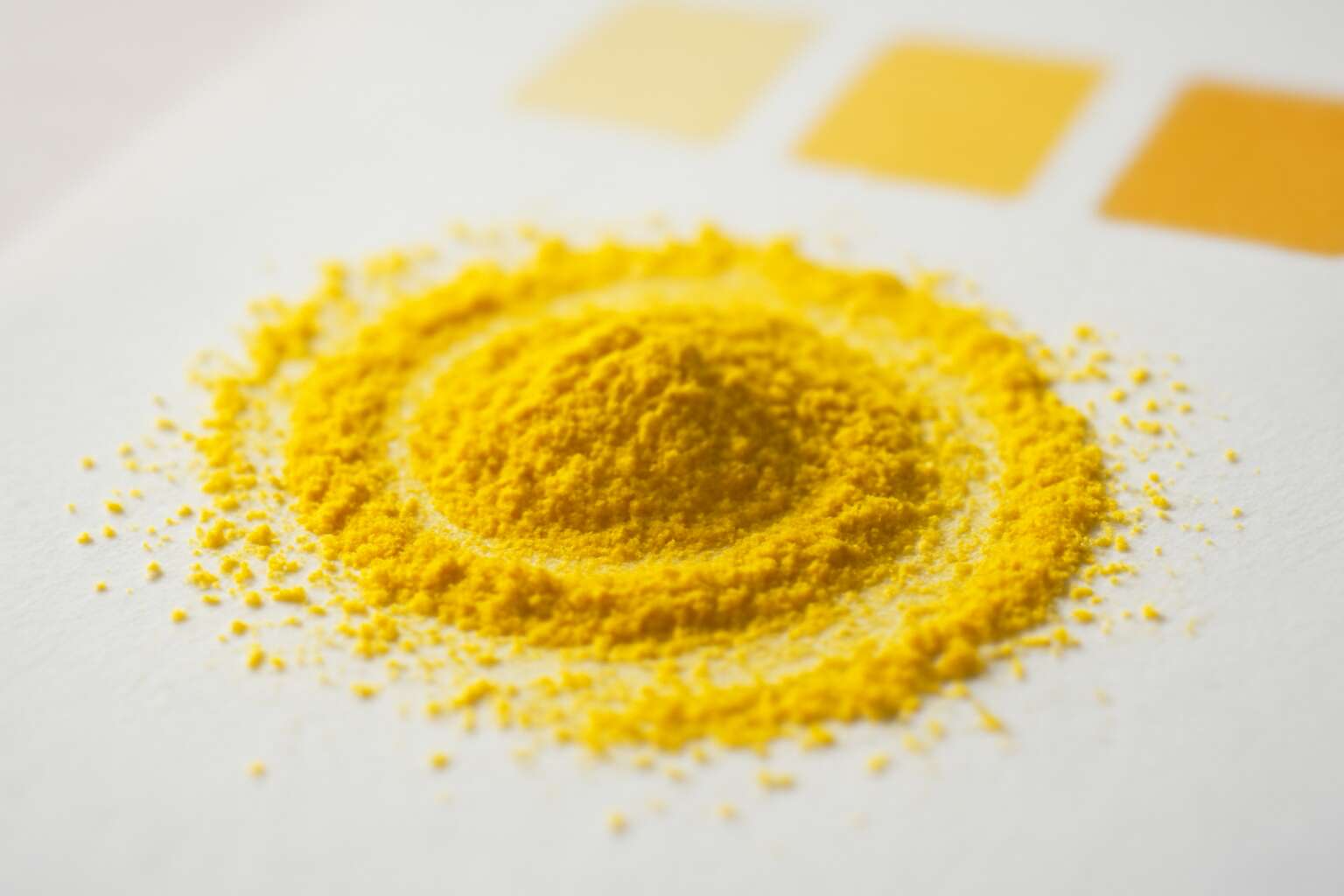
Overview of PY-81 Pigment
What PY-81 is and where it fits in pigment families
A single hue forged in daylight, pigment yellow 81 endures where other yellows fade. In the spectrum of synthetic yellows, PY-81 sits firmly within the organic yellow family, prized for its bright tinting strength and reliable lightfastness. For South Africa’s sun-drenched climates, this pigment often serves as a dependable backbone in coatings and plastics, delivering vibrancy without surrendering to UV stress. I’ve seen PY-81 hold its sparkle even under scorching afternoon light!
Key characteristics that vendors and formulators prize include:
- Vivid hue with strong tinting strength
- Excellent lightfastness and weather resistance
- Good resin compatibility across solvent-borne and waterborne systems
- Stable performance across a range of temperatures
Within pigment families, pigment yellow 81 is a versatile bridge between brighter yellows and the deeper golds, enabling precise formulation without sacrificing longevity or cost efficiency. It acts as a color compass for SA manufacturers, guiding palettes across coatings, inks, and plastics with a reliability that feels almost mythical in its steadiness.
Typical chemical properties and color characteristics
South Africa’s coatings sector craves color that lasts under a scorching sun, and pigment yellow 81 delivers. This bright, clean yellow brings impressive tinting strength and a calm, enduring glow—it’s the sunscreen for color here, shielding fades before they even blush.
- Vivid hue with strong tinting strength
- Excellent lightfastness and weather resistance
- Good resin compatibility across solvent-borne and waterborne systems
- Stable performance across a range of temperatures
Chemically, this organic pigment is prized for low water solubility, high dispersion stability, and compatibility with a wide resin suite. The color sits in a warm yellow region—bright, clean, and versatile—making it a reliable bridge between lemony yellows and deeper golds. In South African coatings, inks, and plastics, this combination delivers consistent color at a predictable cost, supporting durable finishes that withstand UV and heat alike.
Common formulations and synonyms
“Color that endures under the SA sun is weatherproof poetry.” Pigment yellow 81 stands as that steady chorus—bright, clean, and reliable for tinting strength in coatings and inks. It bridges lemon yellows with golden accents, delivering predictable performance from dawn to dusk.
Common formulations for PY-81 include dispersions and concentrates for solvent-borne and waterborne systems. Also known as PY-81 or pigment yellow 81 on supplier sheets, it arrives as dry powder dispersion, ready-to-use paste, or low-solvent masterbatches. Typical vehicles include:
- Solvent-borne alkyd and varnish systems
- Waterborne acrylic emulsions and polyurethanes
- High-solids and UV-curable resins for demanding finishes
In South Africa’s market, PY-81 balances cost, dispersion stability, and resin compatibility, ensuring durable finishes under sun and heat. For printers and plastics, it preserves brightness from cure to service, a testament to stable performance across temperatures and UV exposure.
Regulatory labels and standard references
Regulatory labels are the quiet guardians of pigment yellow 81, translating chemistry into safe, predictable practice across coatings and inks. In South Africa, labels follow GHS-aligned conventions, with hazard pictograms and precautionary statements on every container. Suppliers accompany the pigment with Safety Data Sheets, robust product data sheets, and clear references to its C.I. designation and CAS identifiers. These labels anchor compliance from tint to topcoat, ensuring reliable performance under sun and heat.
- GHS-compliant hazard labeling and standard pictograms
- Safety Data Sheets (SDS) and product data sheets detailing pigment yellow 81 properties
- Global and regional standard references: C.I. designation, supplier catalogs, REACH/CLP status and SA regulatory alignment
Physical and Color Properties
Physical properties including tinting strength and shade variations
Color has a way of saying more than words, and pigment yellow 81 is the sharp-tongued orator of yellows in coatings. In practical terms, it offers robust tinting strength and a stable hue, resisting drift across batches. Shade variations are predictable, leaning from lively lemon to a warmer golden with binder choice and light exposure, making it a versatile choice for projects that demand finesse.
Key physical traits that influence performance include:
- Tinting strength: high pigment concentration yields vivid color with minimal loading.
- Shade variations: depends on binder, vehicle and substrate, delivering lemon-to-gold ranges.
- Dispersion behavior: fine particle size and milling compatibility support uniform color and gloss retention.
In practice, formulators value pigment yellow 81 for its stable color under light and its predictable interaction with carriers, ensuring repeatable results in coatings, inks, and plastics across South Africa’s markets.
Lightfastness and weather resistance
In this sun-drenched landscape, lightfastness is more than a metric—it’s a vow. The pigment yellow 81 shows robust resistance to fading under UV, preserving hue across years in outdoor coatings. It also resists chalking and maintains gloss, even when basking in long African summers. Its weather resistance means handling humidity, temperature swings, and dust with poise.
Practical traits that support bold, durable results include:
- UV stability and color retention
- Humidity and temperature tolerance
- Strong dispersion for uniform shine
Compatibility with binders and solvents
South Africa’s sun isn’t shy, and pigment yellow 81 isn’t either. When paired with modern binders, it disperses with a shy smile and refuses to fade mid-coat, keeping color punch from Durban to Pretoria. Its tint strength is predictable, and its hue remains faithful across applications, making for coatings that look vibrant long after the rain’s gone.
In binders, pigment yellow 81 shows:
- Acrylic binders: smooth dispersion with minimal sediment
- Epoxy systems: excellent color retention and chemical resistance
- Polyurethane: flexibility and good compatibility with UV-curable formulations
- Alkyds: balanced tint strength and workable drying
In solvents, pigment yellow 81 performs well with common thinners and resins, enabling uniform film formation and steady viscosity. It accepts hydrocarbon and polar solvents without blooming, maintaining its sunny character as the film cures.
Measurement methods for color: spectrophotometry and colorimetry
Color is a language spoken by the eye, and numbers give it grammar. Kandinsky reminded us that color directly influences the soul, and in coatings that truth meets data. For this pigment, measurement is the quiet backbone that keeps shade faithful from bench to wall.
Two quiet workhorses translate color into numbers:
- Spectrophotometry captures full reflectance curves, revealing how the pigment interacts with light across the visible spectrum.
- Colorimetry converts those signals into perceptual values in spaces such as CIE L*a*b*, making hue, brightness and saturation human-readable.
- Delta E comparisons quantify batch-to-batch consistency, guiding quality control without guessing.
In South Africa’s sunlit workshops, accuracy is more than technique—it is a practical virtue. When light meets instrument, pigment yellow 81 becomes a dependable companion for coatings that endure and stay true long after the rain has passed.
Color stability under processing and curing conditions
Coatings in South Africa face brutal sun—8 hours of peak exposure daily. Color endures when processing and curing conditions are predictable. In sunlit workshops, pigment yellow 81 must resist shifts during drying, heat exposure, and binder interactions. The result is a stable tone that stays true under outdoor use and fluctuating temperatures.
- Heat and drying temperatures during curing influence shade integrity
- UV exposure and sunlight challenge long-term stability
- Binder compatibility and pigment dispersion affect hiding and tone
- Solvent systems and resin chemistry can shift hue
- Mechanical shear during mixing and application risks flocculation
Quality control keeps the shade faithful, ensuring consistency from bench to wall and guarding against unexpected shifts.
Applications and Industry Uses
Key applications in plastics, inks, and coatings
Color is perception in motion, and in South Africa’s bustling manufacturing scene, pigment yellow 81 performs like a trusted conductor—color accounts for up to 90% of first impressions. It shines brightest where brightness must endure heat, light, and heavy handling. In plastics, it animates durable resins and packaging films; in inks, it delivers clean, consistent hue; and in coatings, it contributes to outdoor performance and compelling brand storytelling!
- Plastics: used in automotive interiors and consumer packaging polymers, this pigment delivers bright, stable color with minimal migration.
- Inks: gravure and flexo formulations for labels and packaging, offering reliable hue, good dispersion, and fast drying.
- Coatings: outdoor architectural and industrial coatings, providing UV resistance and weathering stability for signage and protective finishes.
In the South African market, these attributes translate to dependable tint strength and repeatable color across batches, supporting efficient production lines and vibrant consumer-facing outcomes.
Performance benchmarks for printing, packaging, and coatings
In South Africa, color accounts for up to 90% of first impressions, and pigment yellow 81 acts as a trusted conductor, delivering a bright, durable hue across plastics, inks, and coatings. It stands out where brightness must endure heat, light, and heavy handling, keeping brand storytelling vivid and honest.
Printing benchmarks show a clean, reliable hue with good dispersion and fast drying in gravure and flexo for labels. Packaging demands dependable tint strength and repeatable color across batches to smooth production lines. Coatings gain UV resistance and weathering stability for outdoor signage and protective finishes.
- Printing: reliable hue and fast drying
- Packaging: consistent tint across batches
- Coatings: UV resistance and weathering stability
In South African production lines, these traits translate into predictable color outcomes and smoother operations from factory floor to consumer shelf.
Industry-specific considerations for automotive and textiles
“Color is the contract with the consumer,” says a South African brand manager, and pigment yellow 81 keeps that promise against heat and wear.
In automotive applications, this pigment anchors dashboards, fascias, and exterior trims where rapid curing, abrasion, and sun exposure test color stability. It collaborates with polyolefins and polyesters, delivering a bright, durable hue that resists fading during long drives and dusty commutes.
Textile and coatings considerations follow a parallel logic: pigment yellow 81 must endure washing cycles, body heat, and ambient light without bleeding or dulling. The following points capture industry needs:
- Automotive: heat and UV stability for interior plastics and exterior coatings
- Textiles: colorfastness to laundering and light exposure, with minimal hand feel impact
Across both sectors, pigment yellow 81 offers predictable shade behavior, enabling efficient color management from line to shelf.
Sustainability and eco-friendly formulation trends
Across South Africa’s varied factories, pigment yellow 81 stands as a quiet sentinel, shaping brand identity from production lines to display shelves. Its stability under heat and wear gives designers a reliable canvas—bright, true, and unyielding after long hours in sun and dust. I’ve seen this shade hold fast, a beacon in the hum of industry.
On the sustainability frontier, eco-friendly formulation trends reshape how we work with this pigment. Here are the prevailing moves:
- Waterborne binders and reduced solvent use
- Recycled content and circular plastics
- Life-cycle thinking and minimized energy footprint
- Ethical sourcing and supplier transparency
These choices keep pigment yellow 81 in the market with a lighter footprint and a deeper conscience.
Safety, Handling, and Compliance
Safety data, handling guidelines, and PPE recommendations
Safety on the shop floor is more than a protocol; it’s a daily pact with pigment yellow 81. Safety data sheets flag mild skin and eye irritation and the way fine dust can drift into the air during handling. Effective ventilation, closed transfer, and prompt spill containment keep the atmosphere calm!
Personal protective equipment acts as the first line of defense. In South African workplaces, align with local safety expectations and the responsible use of colorants.
- Nitrile gloves resistant to dyes
- Safety goggles or shield
- Respiratory protection for dust
- Protective coveralls
- Chemical-resistant footwear
- Hygiene: no eating or drinking
Handling guidelines stress sealed containers, careful transfer to minimize dust, and strict waste management. OHS-conscious training and documentation ensure it stays compliant with SA safety standards across paints, plastics, and inks.
Toxicology overview and exposure considerations
On South Africa’s busy shop floors, safety is not a rulebook so much as a daily vow. I treat safety with pigment yellow 81 as a living choreography—every breath, every movement matters. A toxicology overview shows only mild skin and eye irritation potential when handled with care, while fine dust poses the real drift risk. Exposure tends to come from airborne particles and direct contact, reminding us that vigilance is constant and collaborative.
- Inhalation of fine dust and aerosolized particles
- Dermal contact and irritation risk on untreated skin
- Accumulative exposure and regulatory review points for paint, plastics, and inks
Compliance means more than paperwork; it is a vocation in SA. Labeling, safety data alignment, and adherence to local safety expectations shape how the color is formulated, stored, and monitored. When the story is told with respect for the law, the path from pigment to product remains a testament to craftsmanship.
Regulatory compliance: REACH, labeling, and hazard communication
“Safety is a rhythm, not a rulebook,” we hear on SA shop floors where pigment yellow 81 travels from pigment to product. In this cadence, every glove, every label check, and every breath matters, turning routine tasks into a dependable, almost instinctive choreography.
Regulatory compliance hinges on REACH, precise labeling, and hazard communication. For this color, this means robust SDS alignment, dust-minimizing packaging, and audits that keep safety data current with South Africa’s safety expectations.
Compliance is a living practice, not a pile of papers. Handling safely becomes a shared discipline as hazard communication trains teams to understand exposure controls, while structured labeling ensures the right warnings move with every batch of pigment.
- REACH registration and exposure scenarios
- Labeling aligned with local safety rules and hazard communication
- SDS, warnings, and regulatory updates
Storage, packaging, and transport guidelines
Safety is more than a rulebook—it’s a pulse that travels from pigment to product and into the hands of every team member on South African shop floors. Handling pigment yellow 81 demands deliberate discipline: dust control, proper storage, and dust-minimizing packaging that keeps the color and its hazards contained.
- Dust-tight containers and sealed closures to minimize airborne particles
- Secondary packaging to prevent spills during handling and transport
- Clear, durable labeling with hazard warnings in local languages
- Ventilation and segregation from incompatible materials in storage areas
Compliance stays alive through REACH-aligned SDS, local hazard communication, and audits that keep safety data current with South Africa’s expectations. For this pigment, labeling consistency, up-to-date warnings, and batch traceability travel with every shipment across the country’s supply chains.
Quality, Sourcing, and Market Insight
Quality control: standard tests and acceptance criteria
Quality control for pigment yellow 81 centers on a stable hue, controlled particle size, and reliable dispersion. Standard tests include colorimetric analysis, moisture checks, and loss on drying, with acceptance criteria tied to repeatable tinting strength. Traceable batch records ensure consistent shade across coatings, plastics, and inks.
Sourcing quality begins with supplier QC programs, COAs, and proper storage. In South Africa, distributors emphasize traceability and safe packaging, ensuring stability data travels with each shipment. Evaluations cover sustainability, chemical compatibility, and risk management to prevent mislabeling or contamination.
Market insight shows demand growing in automotive coatings, packaging, and decorative plastics, shaped by color trends and regional competition. Local pricing, regulation updates, and eco-friendly moves influence procurement and color consistency across end-use applications.
Sourcing: supplier qualifications and traceability
One shipment can tilt a product line from vivid to dull, and in South Africa’s competitive coatings market, quality is a covenant. For pigment yellow 81, stable hue and repeatable tinting strength are the telltale signs of a mature supplier—backed by transparent batch records and traceability that travels from plant to palette.
Quality doesn’t live in a lab alone; it travels with sourcing. Sourcing quality begins with supplier qualifications and traceability.
- COAs and batch-level traceability
- Storage conditions and stability data with shipments
- Audit-ready QC programs and ESG alignment
Market Insight Sourcing: As demand shifts toward automotive coatings, packaging, and decorative plastics, procurement decisions hinge on sustainability and regional regulation updates. Traceability ensures shade alignment across end-use applications in South Africa.
Price trends and market availability
Quality is more than a lab verdict; it is a lineage from raw pigment to finished color. In South Africa’s coatings market, where brands chase 99% shade-matching consistency, pigment yellow 81 demands a stable hue and repeatable tinting strength, a hallmark of mature suppliers backed by traceability from plant to palette.
Sourcing quality begins with rigorous supplier qualifications and clear traceability. Seek COAs and batch-level records that travel from plant to palette, plus documented storage and stability data with shipments.
Market insight shows price dynamics tied to automotive coatings demand and regional regulation updates; traceability supports shade alignment across end-use applications in South Africa, helping manufacturers secure reliable availability as supply chains reconfigure to sustain sustainability commitments.
Comparisons with similar yellow pigments and alternatives
Quality isn’t a lab verdict; it’s a lineage from pigment to palette. In South Africa’s coatings market, pigment yellow 81 must deliver a stable hue and repeatable tinting strength—the calling card of mature suppliers with traceability from plant to palette. Stability wins buyers; performance travels batch to batch!
- Hue accuracy: pigment yellow 81 stays near target; PY83 can diverge.
- Tinting and dispersion: subtle differences vs PY74.
Sourcing quality starts with supplier qualifications and clear traceability. For pigment yellow 81, seek COAs and batch records that travel from plant to palette, plus storage and stability data with shipments.
Market insight ties price moves to automotive coatings demand and regulatory changes; traceability supports shade alignment across end-use applications in South Africa, keeping supply reliable as chains reconfigure for sustainability.




0 Comments