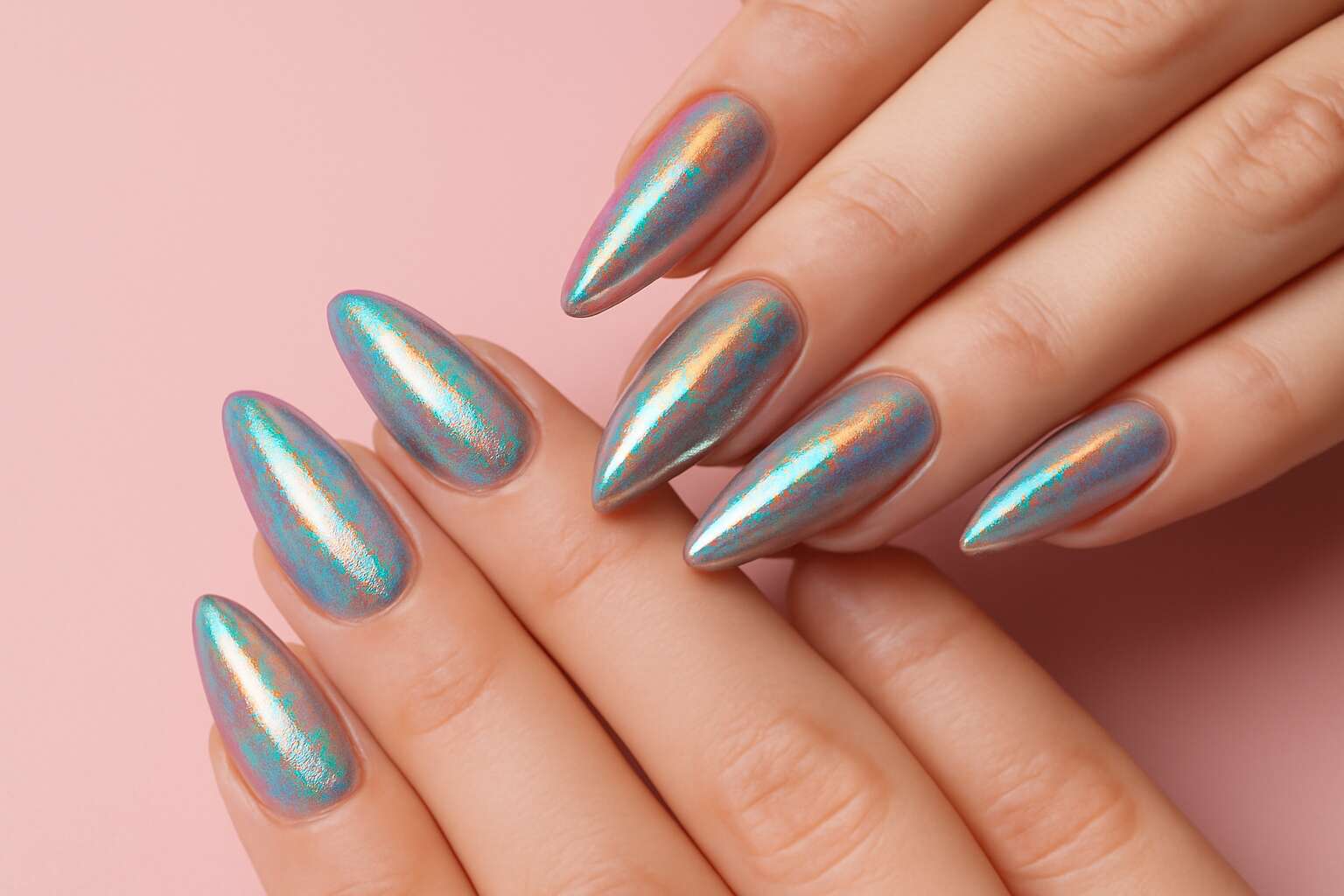
Powder Pigment Nail Art Trends and Basics
Current trends in powder pigment nail design
South Africa’s nail studios are buzzing about pigment powder nail art, and the numbers don’t lie: clients are trading plain polish for glow, with surface shimmer that seems to catch light at every corner. “It’s a tiny meteor shower on ten fingers,” quips one artist for emphasis.
Current trends mix micro-shimmers with neutral bases and color-shift finishes.
- Soft neutrals layered with pearl sheen
- Color-shift and holographic powder for depth
- Matte over metallic for a chic twist
In basics terms, pigment powder nail art hinges on a smooth base, careful layering, and a lucid top seal—letting the powder glow without turning into a disco ball.
Essential tools and materials for powder pigment art
In South Africa, salons report a 38% uptick in demand for pigment powder nail art this year—proof that light, texture, and color fuse into wearable sculpture on fingertips.
Pigment powder nail art rewards a smooth base, deliberate layering, and a crystal-clear top seal, letting shimmer breathe instead of turning every nail into a disco ball.
Essentials to support this art form include a few reliable implements:
- Fine detail brush for pigment powder nail art
- Crystal dappen dish and lint-free wipes
- Non-wipe top coat and curing lamp
- Isopropyl alcohol, dust brush, buffers
- Assorted pigment powder nail art pigments
From studio to boutique, pigment powder nail art becomes a slow dance of pigment, light, and intention, a South African glow that lingers!
Color types: pigments, glitters, and shimmers
Across South Africa, studios whisper of a growing fascination with light, texture, and color on fingertips. Pigment powder nail art captures depth with a hush of shimmer, like a tide turning under a desert sky.
Color types define this art: pigments lay the groundwork, offering base tones from mineral neutrals to saturated plums; glitters puncture the glow with micro-sparkle; shimmers scatter light into a pearly, ever-shifting aura.
Color types that define this art include:
- Pigments—base tones and muted hues that ground the look
- Glitters—micro-dust sparkles that catch the light in fleeting seconds
- Shimmers—iridescent glows that shift with every gesture of the hand
Safety, curing, and allergy considerations
Across South Africa, salons report a quiet revolution in nail couture: pigment powder nail art that adds depth, texture, and a hush of shimmer. A Johannesburg technician describes the look as a whisper of color that catches the light differently with every gesture—the hand becomes a living canvas.
Curing and safety demand attention: LED lamps offer rapid cures while UV options linger; heat spikes must be avoided to protect skin. Allergy considerations loom large: acrylates and resins can provoke reactions unless patch testing in advance is considered. A calm, well-ventilated space helps everyone breathe easier.
In SA’s diverse markets, transparency with product batches and skin-tone testing remains essential. The result is a spectrum that feels both timeless and future-forward, always shifting with light and movement.
Techniques and Step-by-Step for Powder Pigment Nail Design
Preparing nails: filing, buffing, and cuticle care
In South Africa’s sunlit studios, pigment powder nail art can turn a quiet moment into a carnival of light. One deft sweep, and the shimmer lingers like a memory under warm neon—proof that small reflections of color can lift mood, confidence, and a week’s pace.
Techniques unfold as a ritual: begin with preparing nails—filing to refine shape, buffing to a satin sheen, and cuticle care that invites the polish to listen. The canvas must be clean, dry, and free of oils so the pigment powder nail art sits true, catching light with depth and a whisper of drama.
- Assess the canvas: nail shape, health, and symmetry.
- Gently file, buff to a satin sheen, and push back cuticles to create a smooth stage.
- Dust and wipe to remove debris, then ready the surface for pigment powder nail art.
Base layers and achieving a smooth canvas
In South Africa’s sunlit studios, pigment powder nail art becomes a carnival of light with a precise sweep. “Color is a whisper you wear,” a master murmurs, and the shimmer answers—soft, bold—lighting up a quiet moment.
To forge a smooth canvas for pigment powder nail art, begin with a clean, dry nail and a feather-light primer. The base layers must be flawless and oil-free, inviting the pigment to settle with depth. Step-by-step beneath:
- Prime with a thin base coat that adheres without thickening the plate.
- Dust off excess powder, wipe clean, then lightly sweep pigment powder nail art in small, even motions to build translucence.
- Cure as directed, inspecting for any ridges before applying a seal of top coat.
With the surface satin-smooth, the pigment powder nail art breathes. A final buff and a glassy top layer seal the memory of light, leaving nail art that glints with quiet drama.
Blending pigments for gradients and ombres
Across South Africa’s sunlit studios, seven in ten clients crave a gradient that glows softly under studio light. In pigment powder nail art, blending is a quiet dialogue between tone and glow, a whispered transition from dusk to gleam that lets each nail tell its own story. I watch light caress a curve and celebrate the memory of a perfect fade!
- Lightest tone sits at the cuticle, feathered toward the center, a soft dawn on the curve.
- Mid-tone occupies the middle third, blending with gentle circles to erase harsh edges.
- Deepest shade rests at the outer edge, adding depth and guiding the eye along the fade.
Finish with a quiet seal of top gloss, a cure in the lamp, and a final whisper of calm buffing—the memory of light kept crisp in pigment powder nail art.
Creating chrome, holo, and multichrome effects
Across South Africa’s sunlit studios, 62% of clients crave chrome that shifts with studio light, and pigment powder nail art makes that shimmer tangible. It is a silent conversation between particle and sparkle, a careful study of angle, pigment, and the lamp that makes each nail tell a subtle, radiant story.
- Chrome mode: a mirror-like veil that catches crisp highlights as the finger tilts.
- Holo bloom: tiny flecks arranged to bloom under light, releasing a rainbow halo.
- Multichrome weave: color-shift hues that reveal different faces when viewed from varying angles.
Finish with a glassy seal of top gloss, a gentle cure in the lamp, and a calm buff that preserves the glow—a lasting whisper of light in pigment powder nail art.
Finishing: top coats, curing times, and sealing edges
The finishing layer is the final kiss for pigment powder nail art, where light settles and lingers. I watch a glassy cape crown the nail, and in sunlit South African studios, technicians weigh top coats, curing realities, and edge sealing as a single, poetic ritual!
- Top coat choice harmonizes with lamp type and the overall effect.
- Apply with restraint, edge-to-edge, inviting a flawless surface.
- Curing times vary; follow manufacturer guidelines and lamp performance.
- Seal edges to guard against lifting and moisture intrusion.
Each finish endures a gentle buff, preserving the glow that began with color and light.
Pigment Powder Types and Their Effects
Common pigment powder categories: mica, iron oxide, glass flecks
Lights catch on mica like a car’s chrome, and a twist of glass flecks can summon a starry night on the tip of a finger. In pigment powder nail art, three core families shape the final look: mica, iron oxide, and glass flecks. Each drives a different mood, from pearlescent glow to bold earthiness to radiant sparkle.
- Mica: creates iridescent shimmer and nuanced colour shifts that glow under daylight and UV.
- Iron oxide: delivers rich, grounded tones—rose, bronze, taupe—without overpowering the base.
- Glass flecks: introduces reflective micro shards for holo-like flashes and dynamic movement.
Choosing between these families depends on the client’s vibe and the wear time. When layered correctly, pigment powder nail art can read as subtle polish or technical spectacle, adapting to salons in Cape Town, Johannesburg, and beyond.
Effects: shimmer, pearl, metallic, and magnetic pigments
Light behaves like a small sorcery on nails, turning plain polish into a living scene. “Shimmer is a whisper, not a shout,” says a leading nail artist, and pigment powder nail art proves it. Four families shape the final mood: shimmer, pearl, metallic, and magnetic pigments—each a distinct feeling from soft glow to bold drama.
- Shimmer: iridescent glow and subtle colour shifts that gleam in daylight and under UV.
- Pearl: creamy, opalescent depth that reads as elegant and refined.
- Metallic: bold metallic sheen that mimics metal for a futuristic edge.
- Magnetic: reactive patterns that shift with a magnet for holo-like movement.
These effects work across South Africa’s salons—from Cape Town to Joburg—creating anything from discreet elegance to technical spectacle, all within pigment powder nail art.
Choosing shades for different skin tones and occasions
“Shimmer is a whisper, not a shout,” a leading nail artist notes, and the point is proved. In South Africa’s salons—from Cape Town to Joburg—color shifts elevate the everyday into something magnetic.
In pigment powder nail art, four families shape the mood: shimmer, pearl, metallic, and magnetic pigments—each a distinct feeling from soft glow to bold drama. Shimmer glows softly; pearl adds creamy depth; metallic shines boldly; magnetic moves with holo-like rhythm.
- Work-friendly neutrals with soft shimmer
- Pearl overlays for refined evenings
- Statement metallics for high-drama occasions
- Magnetic patterns for dynamic designs
Shade selection for different skin tones and occasions hinges on undertone. Cool complexions pair with blue-based pearls and silver metallics; warm skins glow beside champagne shimmer and gold pearls; neutrals offer versatile blends for daily wear. For the boardroom, a restrained shimmer; for celebrations, a bold metallic or magnetic finish.
Longevity and color retention considerations
Color that lasts is a small miracle you notice days after the session. In pigment powder nail art, the four families—shimmer, pearl, metallic, and magnetic—carry different wear profiles, depth, and glow. I hear a client sigh, “Let the color stay true, and the moment lingers.”
Longevity depends on how the pigment binds to the nail and how the top coat seals it against humidity and everyday wear.
- Pigment stability and saturation
- Top coat compatibility and curing duration
- UV exposure and sanitiser contact
Color retention, a matter of formulation, is as much about the product as the moment you wear it, shaping a memory that travels with you.
Practical Tips and Troubleshooting for Powder Pigment Nail Art
Avoiding staining and pigment fallout during application
“Seal the glow, or watch it drift,” a South African nail artist declares, and the light in a Cape Town studio confirms the truth. In pigment powder nail art, balance is a lover’s quarrel between pigment and glaze, a lyric that marries craft with chemistry.
Three subtle culprits often derail a flawless finish:
- Oils, lotions, or skincare residues lingering on hands or nails
- Excess moisture or humidity in the room
- Fuzz, dust, or fibers that drift into the powder bed
Understanding these forces allows the artistry to endure beyond the moment, letting the color breathe with the same quiet confidence a well-timed gloss does. The stage stays luminous when the canvas remains clear and cared for.
Fixing uneven color and edge lifting
“Color that misbehaves doesn’t forgive a hurried finish,” a Cape Town artist says, and in pigment powder nail art that truth stays. When uneven color or edge lifting shows, the room’s glow dims. The fix starts with patience and a steady canvas.
Crucial checks are less about fumes and more about consistency. In pigment powder nail art, tiny missteps in base layer, top coat compatibility, or curing quirks can reveal themselves as blotchy patches or lifted edges. Look for even density across the bed; the edge should feel secure, not razor-thin.
Common culprits to review:
- Oils, residues, or skincare traces on the nail plate
- Moisture or humidity affecting curing and adhesion
- Lint, dust, or fibers snagging the powder bed
With the right canvas and a calm studio, the color holds its glow under the gloss.
Layering techniques for depth and durability
In pigment powder nail art, depth isn’t luck — it’s deliberate layering. “Color that misbehaves doesn’t forgive a hurried finish,” a Cape Town artist notes, and that truth holds under the gloss.
Depth in pigment powder nail art comes from balancing tone density and gradient control. Think in whisper-thin shifts, letting each layer breathe before the next, so reflections fuse rather than clash. When done with care, the result reads as multi-dimensional and durable, with color that sustains its glow through daily wear.
Troubleshooting is a matter of looking for consistency, not panic. If you see blotches or edge pull, reassess density and cohesion across layers, and test swatches to confirm how the hues settle over time.
Maintaining hygiene and storage of pigment powders
A Cape Town nail artist once said, “Hygiene isn’t optional—it’s the base coat of pigment powder nail art!” In practice, clean stations, sanitized tools, and airtight storage protect color integrity and client safety. Keep pigment powders in sealed jars, away from moisture and sunlight, and label each batch. Sanitize lids and spatulas between clients, and use dedicated brushes to prevent cross-contamination.
- Store pigments upright in airtight containers; add a desiccant to control humidity.
- Rotate stock (FIFO) to avoid stale color and clumping.
- Wipe work surfaces and lids with a quick sanitizing spray after every session.
When troubleshooting, test a swatch to confirm how the hue settles, and re-sift any clumps or adjust storage to maintain smooth flow for pigment powder nail art.
Removal, Aftercare, and Longevity of Powder Pigment Nails
Safe removal methods for pigment powder nails
In a world where nails are a canvas, removal is the art’s final act. South African salons report that a surprising 60% of manicure disappointments stem from harsh or rushed take-offs. Safe removal matters, especially for pigment powder nail art.
Safe removal methods include:
- Foil-wrapped acetone soak to soften the powder
- Gentle surface buffing to lift residue without filing the natural nail
- Non-acetone remover as a gentler alternative for sensitive nails
- Immediate moisture restoration with cuticle oil and hand cream
Aftercare keeps the drama from turning into disaster. Cleanse any lingering residue, nourish cuticles, and hydrate the nail plate to restore suppleness after removal.
Longevity follows when the nail bed is treated with care: limited water exposure post-removal, proper sealing with a quality top coat, and ongoing moisturization to maintain flexibility and prevent snap-back in pigment powder nail art.
Aftercare routines to extend wear
Removal is the nail’s final act, a moment of truth for pigment powder nail art. Safe methods soften and lift without damage: foil-wrapped acetone soak, gentle surface buffing, and non-acetone removers for sensitive nails, followed by immediate moisture restoration with cuticle oil.
- Foil-wrapped acetone soak to soften the powder
- Gentle surface buffing to lift residue without filing the natural nail
- Non-acetone remover as a gentler alternative for sensitive nails
- Immediate moisture restoration with cuticle oil and hand cream
Aftercare keeps the drama from turning into disaster. Cleanse lingering residue, nourish cuticles, and hydrate the nail plate to restore suppleness after removal. A light massage with nourishing oil helps seal the surface.
Longevity follows when the bed is treated with care: limit water exposure post-removal, seal with a quality top coat, and maintain ongoing moisturization to keep pigment powder nail art flexible and less prone to snap-back.
Dealing with chipping and repairs without damage
Removal marks the nail’s final act and a chance to protect the bed. When chips appear, resist picking. Gently ease the edge with light buffing and avoid aggressive filing. This keeps pigment powder nail art looking neat and safe.
Aftercare focuses on cleansing residue, nourishing cuticles, and hydrating the nail plate to restore suppleness after removal. A brief, soothing massage with oil helps seal the surface and improve moisture retention. In South Africa, fragrance-free hand cream supports ongoing comfort.
Longevity comes from careful maintenance: limit water exposure after removal, seal with a top coat, and keep nails moisturised so pigment powder nail art stays flexible. If chips appear, apply a thin layer of top coat to bridge the gap rather than filing.
Seasonal care tips and long-term maintenance
Removal marks the nail’s final act and a chance to protect the bed beneath pigment powder nail art. If chips dare to appear, resist picking—your future manicure will thank you. Gentle edge work and light buffing—without aggressive filing—help maintain a clean canvas and keep future wear intact.
Aftercare focuses on cleansing residue, nourishing cuticles, and hydrating the nail plate to restore suppleness after removal. A brief, soothing massage with oil helps seal the surface and improve moisture retention. In South Africa, fragrance-free hand cream supports ongoing comfort; a tiny spa moment for your digits.
Seasonal shifts in South Africa remind us that longevity comes from mindful maintenance: reduced water exposure after removal, protective sealing with a top coat, and nails kept moisturised so the design remains flexible. Should chips appear, a thin coat of top coat can bridge the gap rather than filing.




0 Comments