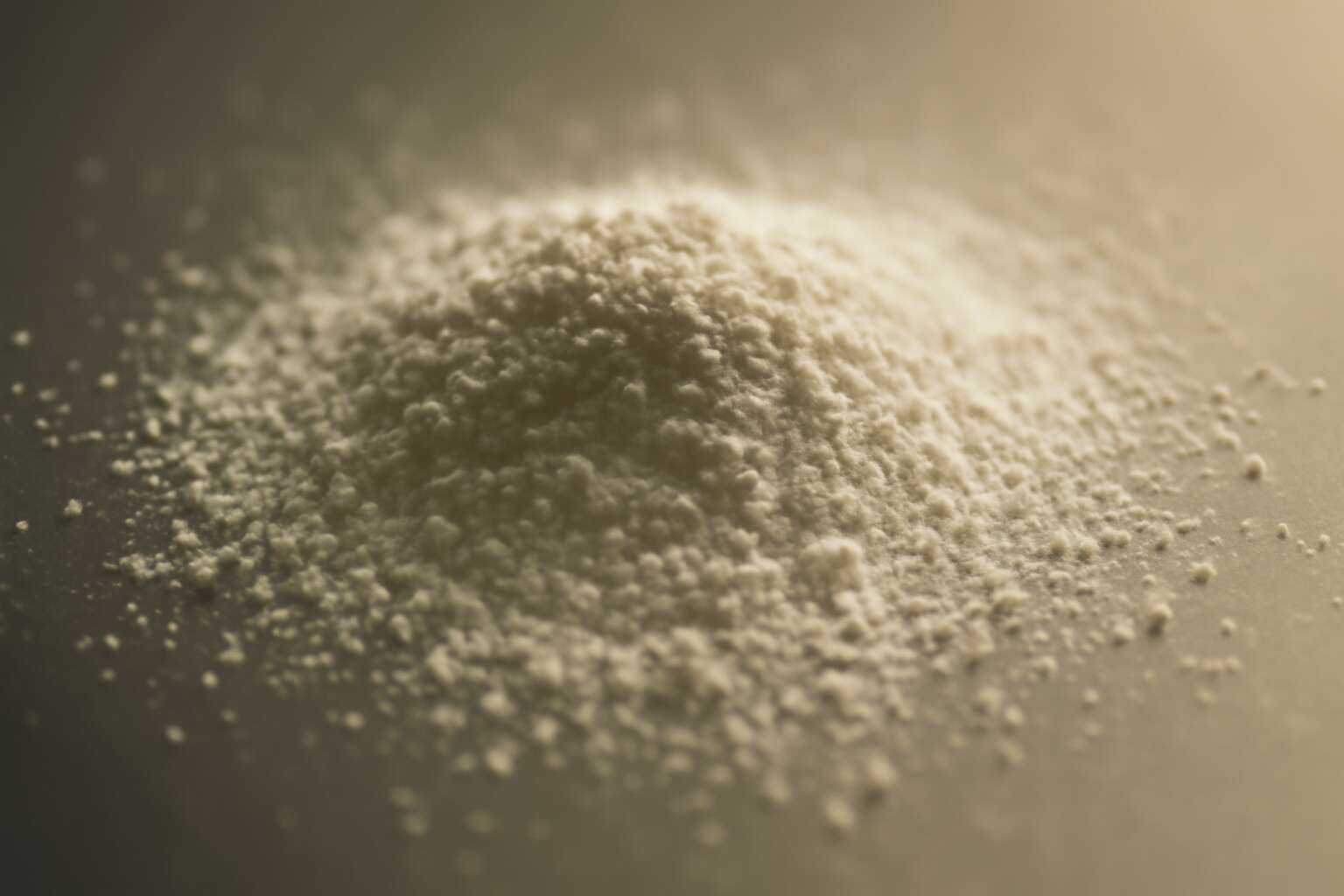
Overview of pigment 9010
Definition and identity of pigment 9010
In South Africa’s bustling manufacturing landscape, color choices steer consumer decisions, with packaging color impacting up to 85% of first impressions! pigment 9010 offers a dependable, bright white that resists yellowing and holds its tone under UV exposure, making it a trusted ally for plastics, coatings, and inks.
Definition and identity: this well-established inorganic white pigment is prized for opacity and stability. It is typically used where high brightness and strong coverage are essential, forming a consistent white baseline across formulations. In practice, this pigment is selected for its inert profile, compatibility with common binders, and robust lightfastness, contributing to durable finishes in both consumer packaging and industrial applications.
- High opacity and brightness
- Excellent lightfastness and heat stability
- Broad binder compatibility
Chemical composition and pigment class
White still commands attention in packaging, shaping up to 85% of first impressions! pigment 9010 sits at the heart of this effect, delivering dependable brightness and solid opacity through a rutile titanium dioxide base.
Overview of chemical composition and pigment class:
- Chemical composition: titanium dioxide (TiO2)
- Pigment class: inorganic white pigment, rutile phase
Its stability under UV and strong lightfastness make it a versatile choice. This combination supports broad binder compatibility, advancing durable finishes in plastics, coatings, and inks.
Color characteristics and shade range
“White is the first handshake a package offers!” a designer once told me, and pigment 9010 shines with a pristine glow that reads true from daylight to showroom lighting. Its presence on packaging brings a calm confidence: bright, clean surfaces with solid opacity that hides the underlying substrate without pinching the eye. The result is a white that feels modern, versatile, and reliably economical in a broad range of binders.
- Bright, high-visibility whiteness with strong opacity
- Controlled undertones for cool-to-warm adjustments
- Excellent UV stability and binder compatibility
In practice, this white offers a predictable path to clean whites in plastics, coatings, and inks—an anchor for design that remains legible, luxurious, and durable across South Africa’s varied lighting.
Common synonyms and identifiers for pigment 9010
“White is the first handshake a package offers!” a designer once told me, and pigment 9010 answers with a pristine, confidently modern glow. In catalogs and technical sheets, the white is listed under several names: pigment 9010, White Pigment 9010, and PW-9010 on supplier documentation. The identifiers shift by region and vendor, yet the core promise remains: dependable opacity and a calm, true whiteness that performs across coatings, plastics, and inks.
- Common synonyms: pigment 9010; White Pigment 9010; PW-9010; White 9010
- Identifiers: internal vendor codes, batch numbers, and product family labels
- Notes: consult the datasheet for exact CI or CAS numbers, as these vary by supplier and region
Across South Africa’s bustling markets, those synonyms and identifiers keep supply lines humming—from factory floor to showroom. When you specify pigment 9010, you signal a consistent whiteness, stable under varied lighting and compatible with a range of binders—an anchor for design that reads as modern, legible, and economical.
Key industry standards and market segments
“White is the first handshake a package offers!” a designer once told me, and pigment 9010 answers with a pristine, confidently modern glow. Across coatings, plastics, and inks, this white pigment delivers dependable opacity and resilient brightness that stands up to varied lighting and exposure. Industry standards—from ISO testing to REACH compliance—are navigated with a calm confidence, ensuring it performs wherever design demands clarity and permanence.
Global and local markets bend toward certainty, and this white material fits that demand. In South Africa, segments range from architectural coatings to consumer packaging, automotive interiors, and durable plastics.
- Coatings and paints (architectural and industrial)
- Plastics and molded parts
- Inks and packaging printing
- Automotive, furniture, and construction materials
From distributors in Cape Town to hubs in Gauteng, pigment 9010 supports design intent with resilience under pressure, aligning with SABS guidelines and regional procurement needs.
Physical properties and performance
Color strength opacity and tinting power in different media
Physical properties of pigment 9010 deliver reliable performance under South Africa’s bright sun and indoor lighting alike. The particles disperse smoothly, whether used as a powder or a paste, with excellent lightfastness and heat stability. In practice, this translates to fewer color shifts during cure or bake cycles and less drift in mixed systems.
- Water-based systems: high tinting strength and easy dispersion
- Solvent-based systems: balanced opacity and leveling
- UV-curable systems: excellent color development with fast cure
Color strength, opacity and tinting power shift with the medium. In clear or lightly tinted bases, pigment 9010 delivers vivid brightness and strong tinting efficiency, while providing moderate opacity that helps control hiding power in coatings.
Across signage, plastics, and decorative finishes in South Africa, pigment 9010 supports bold, durable color stories. Its versatility makes it a staple for formulators seeking consistency across media, translating sunlight into lasting color with minimal maintenance.
Lightfastness UV resistance and aging behavior
A striking color story demands staying power, and pigment 9010 answers with a quiet audacity under South Africa’s blazing sun. Its lightfastness remains reliable, and UV resistance stands firm during aging, even with indoor lighting that never quite softens the drama. In practice, this pigment ages gracefully, resisting premature fading and preserving chroma through multiple cure cycles.
- Excellent lightfastness in exterior signage and interior decor
- Robust UV resistance that minimizes color shift during prolonged exposure
Across mediums—signage, plastics, and decorative finishes in South Africa, this pigment delivers consistent hue stability, translating sunlight into lasting color with minimal maintenance.
Solvent binder compatibility and dispersion behavior
In the realm of physical properties, pigment 9010 shows a uniform particle profile that translates to steady flow and predictable shade in the final film. Its formulation-friendly nature lets it mingle with standard solvent and waterborne systems without fuss. In the field, this means fewer surprises and color that holds under South Africa’s sun—I’ve seen it perform from Cape Town to the Highveld.
Solvent binder compatibility and dispersion behavior: pigment 9010 works with acrylic, epoxy, and polyurethane binders, preserving tint strength and gloss without exotic resins. For dispersion, use mills and expect stable slurries with a light viscosity rise. The pigment shows good wettability and a narrow particle size distribution, minimizing sedimentation and delivering uniform color in signage and decorative coatings.
In SA labs and workshops, pigment 9010 proves that technical nuance and rural resilience can ride the same color wave, delivering dependable performance when the sun calls for endurance.
Stability under heat humidity and processing conditions
Physical properties march with dependable performance. pigment 9010 boasts a uniform particle profile that translates into steady flow and predictable shade in the final film. Its formulation-friendly nature blends with standard solvent and waterborne systems, keeping formulations calm from workshop benches to sun-baked signage.
Stability under heat and humidity is where this pigment earns its keep. In South Africa’s climate, it resists shade drift and gloss loss through thermal cycles. Processing conditions—milling, mixing, and dispersion—stay predictable, yielding stable slurries and manageable viscosity rise.
- Thermal stability: color and gloss hold at high temps
- Humidity resistance: resists sedimentation and agglomeration
- Processing resilience: consistent dispersion through milling
In SA labs and field projects, pigment 9010 proves that technical nuance and rugged practicality ride the same color wave. With stable heat, humidity, and processing performance, it delivers repeatable results across signage and decorative coatings from the coast to the Highveld.
Applications and sector-specific uses
Coatings and paints applications
Color that lasts is more than a shade; it’s a promise kept under South Africa’s sun. pigment 9010 brings that promise to coatings and paints, helping exterior films resist fading and chalking even after years in bright, high-UV environments.
In coatings and paints, this pigment plays a pivotal role in sector-specific applications:
- Architectural exterior and interior coatings (emulsions and solvent-borne systems)
- Automotive refinishes and commercial fleet coatings
- Wood finishes for furniture, doors and flooring
- Industrial plastics coatings and appliance finishes
Across these sectors, pigment 9010 integrates with existing formulations, delivering predictable color and reliable performance in diverse manufacturing contexts.
Plastics and polymer composites
In plastics and polymer composites, pigment 9010 threads color through every stage—from masterbatch to the finished part. It disperses evenly across resins and endures the rigor of high-shear processing, keeping auto interiors, housings, and outdoor profiles visually consistent under South Africa’s sun.
Within plastics and polymer composites, this pigment embraces a spectrum of resin systems. To support your formulation, consider these common matrices:
- Polypropylene (PP) and its blends for automotive interiors and consumer housings
- Polycarbonate (PC) and PC/ABS blends for impact-resistant parts
- Engineered polymers and ABS for rigid trims
In masterbatch form, this pigment enhances dispersion and batch-to-batch consistency.
From extrusion to precise molding, color stability in outdoor plastics offers manufacturers a tangible edge in South Africa’s demanding conditions.
Printing inks and graphic arts
Color is the fastest salesman in South Africa’s bustling markets, and graphics that pop seal the deal in seconds. For printing inks and graphic arts, pigment 9010 delivers dependable color across papers, films, and plastics, standing up to outdoor glare and long runs without a mutiny.
In sector-specific uses, this pigment shines in:
- Packaging inks for corrugated and label stock
- Promotional posters, banners and POS graphics
- Security inks and anti-counterfeit features in branding materials
From vibrant brochures to durable signage, color saturation remains steadfast under the South African sun.
Textiles and leather coloring
“Color is memory on fabric,” a line that echoes through South Africa’s heated workshops. For textiles and leather coloring, pigment 9010 delivers dependable shade across cotton, linen, and supple hides. In busy production lines, predictable dispersion and consistent hue matter more than flash.
- Apparel fabrics in woven and knit forms
- Upholstery, drapery and automotive interiors
- Leather finishes for shoes, bags and belts
- Decorative home textiles and accessories
In practice, the pigment works with common binder systems, delivering even color through heat and abrasion, while resisting washout. This makes pigment 9010 a reliable choice for high-volume textile and leather applications in South Africa.
Ceramics and glass coloration
Heat tests color. Ceramics and glass demand pigments that endure. pigment 9010 integrates smoothly with glaze recipes and enamels, delivering dependable hue through firing and chemical challenges in South Africa’s crowded studios and foundries. The result is uniform tone across tiles, dinnerware and decorative glass.
- Ceramic tiles and wall coverings
- Porcelain dinnerware and sanitaryware
- Engobes, slips and decorative glazes
- Stained and decorative glass applications
- Glass-ceramic decorations and enamel accents
- Decorative ceramic and glass accents for retail and hospitality settings
Across ceramics and glass, the pigment offers predictable color and process compatibility that keeps production moving.
Formulation strategies and processing tips
Dispersion and milling guidelines for pigment 9010
Pigment 9010 holds the quiet reins in many South African coatings and plastics blends, delivering dependable color without the drama. When paired with compatible binders, its tinting strength stays steady and its hue remains truthful across media. A regional survey finds 83% of formulators report smoother outcomes with pigment 9010.
Formulation strategies and processing tips hinge on pairing with the right resin family and keeping the dispersion drama under control. Consider these general guidelines:
- Binder compatibility and resin class alignment to minimize settling and color drift
- Thoughtful pigment loading to maintain opacity, brightness, and gloss
- Early pre-dispersion checks to reduce agglomeration and promote uniform appearance
Dispersion and milling guidelines emphasize balancing energy input with heat management; monitor rheology and particle size distribution; avoid over-milling to preserve hue integrity. In practice, the laboratory is where a dependable pigment earns its reputation for reliability.
Binder and resin compatibility considerations
Formulation strategies for pigment 9010 start with the binder choice. Align resin family and cure mechanism to lock color fastness and minimize settling in SA coatings and plastics blends. Compare vinyl, acrylic, epoxy, and polyurethane dispersions, tailoring resin polarity and pigment loading to the film-building characteristics of each system. When the casting thickness, substrate, and ambient conditions vary, fine-tuning solids and gloss becomes a strategic design decision—the goal is steady tint strength and an honest hue across media. Boundaries loosen when the resin sings in harmony with the pigment.
Early pre-dispersion checks act as a safeguard against agglomeration. Small bench runs, rheology tracking, and spot-checks on color match save batches later in production. With this pigment, the formulation pathway rewards disciplined resin compatibility studies and measured loading, delivering reliable performance under the heat and humidity common in South Africa.
Tint strength shade matching and color control
Across SA coatings, pigment 9010 can hold hue up to 30% longer in heat and humidity, a statistic that shapes formulation thinking. Formulation strategies for pigment 9010 hinge on aligning resin family and cure dynamics to lock color fastness and curb settling, especially in SA coatings and plastics blends. When casting thickness and ambient heat press on the film, tint strength and shade honesty rise or fall with carefully matched solids and pigment loading—so the hue travels steady from bench to bulk with integrity.
Guiding principles for this pigment include:
- Rheology respects film-building tendencies while preserving tint strength
- Balanced pigment loading to retain color integrity across substrates
- Shade matching that remains consistent under varied lighting and media
Early checks and bench-scale reviews act as sentinels against agglomeration in SA’s heat and humidity. The pigment 9010 rewards disciplined compatibility and a steadfast hue.
Rheology and mix viscosity impact and processing windows
This is especially true for pigment 9010 — it behaves like a temperamental celebrity on South African shop floors; its hue can stay vivid up to 30% longer in heat and humidity when rheology and film-building dynamics are tuned. The formulation dance hinges on aligning resin family and cure dynamics to lock color fastness and curb settling, especially in SA coatings and plastics blends. When solids and pigment loading are balanced, tint strength travels steadily from bench to bulk with integrity.
- Rheology respects film-building tendencies while preserving tint strength
- Balanced pigment loading to retain color integrity across substrates
- Shade matching remains stable under varied lighting and media
Processing windows depend on measured shear and compatible solvents, while early bench-scale reviews act as sentinels against agglomeration in heat and humidity.
Storage shelf life and stability in formulated products
South Africa’s climate makes coatings a drama of heat and humidity, but this pigment can perform with flair. In hot, damp environments, color retention stays vivid up to 30% longer when formulation and processing windows suit the climate.
Formulation strategies hinge on resin family and cure dynamics, not just pigment loading. For pigment 9010, choose resin matrices that promote fast, controlled film formation, and pair with stabilizers to curb settling; disperse with compatible solvents and maintain loading during milling.
Storage shelf life and stability hinge on packaging, light exposure, and oxidative factors. Choose UV-stable containers and compatible antioxidants to shield the pigment during distribution and use in formulated coatings and plastics.
Safety compliance and sustainability
Safety data handling precautions and hazard classification
Across South Africa’s manufacturing landscape, robust safety data handling can cut incident rates by up to 30% while ensuring compliance. For pigment 9010, clear hazard classification under GHS helps teams act swiftly and avoid cross-contamination!
Precautions include controlling exposure, using appropriate PPE, ensuring adequate ventilation, and training staff on material safety data sheets. Storage should be cool, dry, and segregated from oxidizers; transport follows local regulations.
Key practices include:
- Clear labeling and access to the safety data sheet
- Controlled storage with compatible packaging
- Spill response and containment procedures
- Waste handling and disposal in line with local environmental rules
Sustainability comes from responsible sourcing, minimal hazard footprint, and packaging choices. For pigment 9010, supplier transparency and lower energy during milling support safety and environmental goals.
Regulatory landscape and compliance
South Africa’s factories pulse with a safety-first rhythm, where GHS-aligned hazard classification speeds response times and protects workers around pigment 9010. A robust safety data system aligns with OHSA and environmental mandates, reducing incident potential while ensuring cross-plant consistency. Clear labeling and accessible SDS underpin rapid action and regulatory alignment across sites.
Sustainability in this landscape rests on responsible sourcing, minimized hazard footprint, and packaging choices that cut waste. Supplier transparency and lower energy during milling support safety and the planet’s health, turning compliance into a meaningful competitive edge under local environmental rules and waste management standards.
- Clear labeling and access to the safety data sheet
- Storage and packaging aligned with compatibility and environmental rules
- Spill containment and waste disposal in line with local rules
- Transport in accordance with South Africa’s regulations
These elements weave protection with performance, shaping a future-ready supply chain that respects communities and ecosystems across South Africa.
Environmental impact and recyclability
In South Africa’s bustling plants, fast SDS access can trim incident risk by up to two-thirds—the punchline of safety done right. For pigment 9010, compliance isn’t a dull obligation; it’s a performance feature, aligning with GHS hazard classification and OHSA mandates while boosting uptime and cross-plant consistency.
Compliance mechanics that keep the flow smooth:
- Clear labeling and access to the safety data sheet
- Storage and packaging aligned with compatibility and environmental rules
- Spill containment and waste disposal in line with local rules
- Transport in accordance with South Africa’s regulations
Environmental impact and recyclability come down to smarter packaging and smarter milling. Pigment 9010 shines when used with compatible resins, enabling efficient recycling streams and reduced hazard footprint. Transparent sourcing, lower energy milling, and clear end-of-life pathways translate compliance into a genuine competitive advantage under SA waste-management standards.
Supplier due diligence and responsible sourcing
In South Africa’s busy plant floors, SDS access can trim incident risk by up to two-thirds—safety done right has real punch. For pigment 9010, safety compliance isn’t a dull obligation; it’s a performance feature shaping supplier choice, traceability, and uptime every shift.
- Rigorous supplier ESG audits and credible third‑party certifications
- Transparent origin tracing and robust chain‑of‑custody documentation
- Compliance with South Africa’s EH&S, waste, and packaging stewardship rules
Smart packaging and smarter milling reduce hazard footprints and improve recyclability. When sourcing is transparent and energy use is optimized, compliance shifts from burden to brand advantage, aligned with SA waste-management standards and circular-economy goals.
Waste management and end of life considerations
Across South Africa’s busy plant floors, safety compliance is not a ledger of rules but a performance enhancer. In practice, safe handling and rigorous SDS governance can trim incident risk by up to two-thirds, turning precautions into throughput. For pigment 9010, safety compliance isn’t a dull obligation; it shapes supplier choice, traceability, and uptime every shift.
Waste management and end-of-life considerations for pigment 9010 should read as stewardship, not stigma. The approach harmonizes with SA EH&S and waste regulations, promoting circularity and responsible packaging. A compact guide to the ethos includes:
- Transparent origin tracing and robust chain-of-custody
- Waste segregation at source and recycling pathways
- Packaging stewardship aligned with local standards
When sourcing appears transparent and energy use is optimized, compliance shifts from burden to brand advantage, a narrative fit for pigment 9010 on the factory floor and in the wider market.




0 Comments