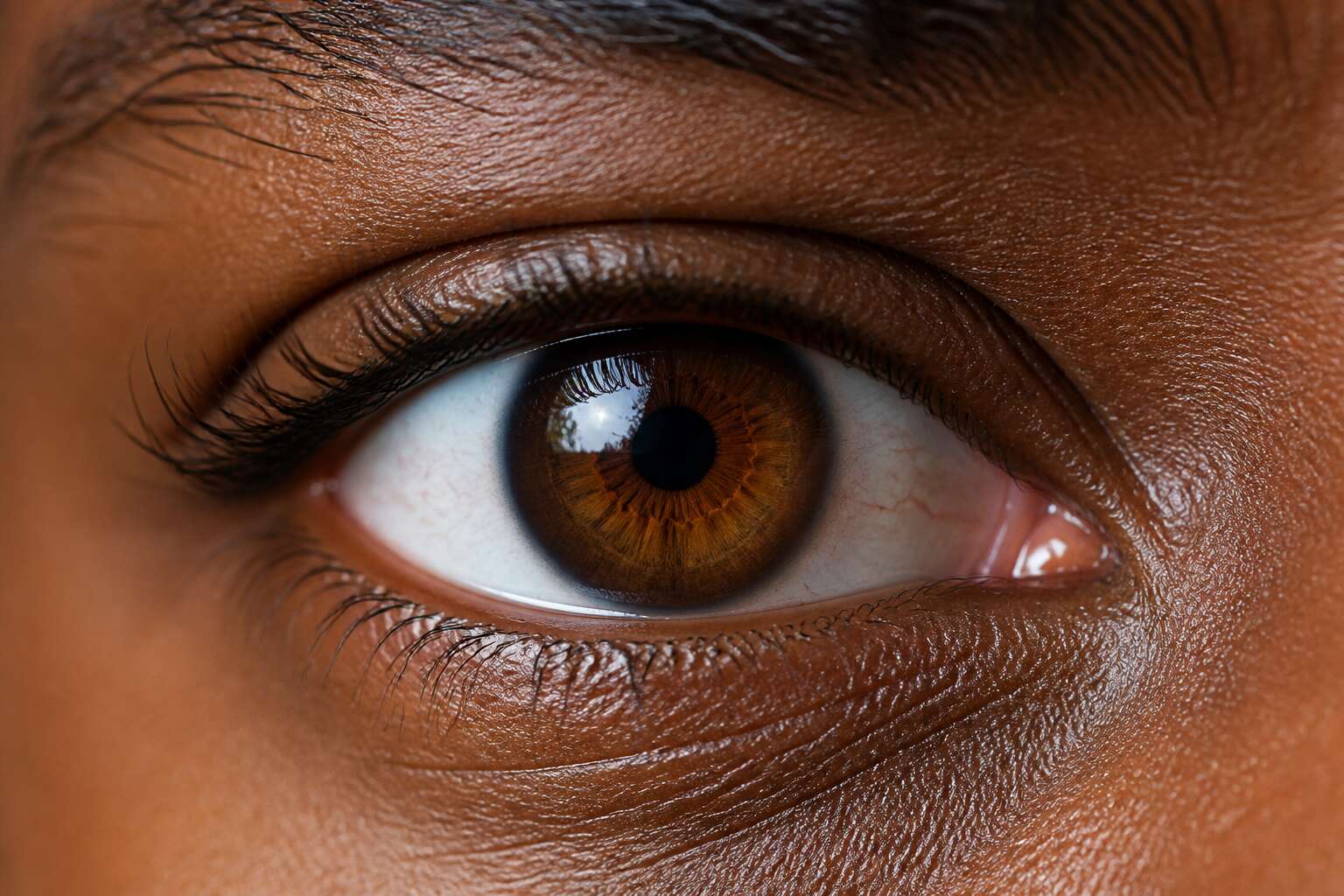
Understanding Melanin and Its Role in Nature
Types of Melanin in Living Organisms
The pigment melanin is nature’s most versatile coloring agent, appearing in everything from fungal spores to the feathers of birds of paradise. This complex polymer does more than create color; it absorbs ultraviolet radiation, scavenges free radicals, and even contributes to structural strength in insect exoskeletons.
- Eumelanin: dark brown and black tones
- Pheomelanin: reddish and yellow hues
- Neuromelanin: protects nerve cells
- Allomelanin: found in fungi and plants
Each type shares a common origin but adapts to its environment in remarkable ways, from the iridescent blue of certain butterflies to the near-black of deep-sea fish.
Where the Body Produces This Substance
Melanin production in the human body is a quiet marvel. Cells called melanocytes generate this pigment melanin within specialized organelles, responding to ultraviolet exposure. The process is genetic and adaptive, which is why skin tones vary so widely across the South African population.
This natural compound acts as nature’s sunscreen, absorbing harmful rays before they damage DNA. But its role extends beyond protection. In the natural world, melanin gives structural strength to bird feathers and insect shells, making them more resilient.
Understanding how the body produces this pigment melanin helps us appreciate daily sun exposure. A feedback loop balances production with necessity.
- Melanin absorbs UV radiation
- It protects cellular DNA
- Production adapts to environment
For anyone spending time under the African sun, this knowledge underscores why our bodies invest so much energy in creating protective colouration.
The Chemical Structure Behind the Color
Chemically, pigment melanin is a complex of irregular polymers derived from tyrosine oxidation. Its molecular heterogeneity is precisely why it absorbs light so efficiently across the visible spectrum. The indole rings and quinone groups form dense networks of conjugated electrons, converting UV energy into harmless heat.
Consider the structural side. The same pigment melanin that darkens human skin fortifies beetle exoskeletons and bird feathers. From my perspective, this versatility is astonishing! Several distinct properties emerge from its architecture:
- Broad-spectrum absorbance from UV to visible light
- Radical scavenging that neutralises oxidative stress
- Covalent bonding with structural proteins
These characteristics developed over millennia, shaping how organisms endure intense solar exposure. Each granule of this pigment melanin reflects environmental pressures through its chemical arrangement.
Biological Purposes and Protective Functions
Shielding the Skin From Ultraviolet Radiation
South Africa experiences some of the highest UV indices on the planet. Here, ultraviolet radiation is a formidable daily presence. The pigment melanin serves as our primary defense, a biological barrier that absorbs and scatters UV rays before they damage the genetic code within our cells. Each exposure prompts melanocytes to intensify production, forming protective caps over cell nuclei.
The efficiency of this defense depends on melanin type and concentration. Deeper skin tones carry more eumelanin, which dissipates over 99.9% of absorbed UV radiation as heat. Lighter skin offers less protection, increasing vulnerability to sun damage.
This mechanism also explains why sun exposure deepens our tan. It is the body’s emergency response!
- UV-B rays stimulate melanocytes
- Melanin granules cluster above the nucleus
- Pigment absorbs and disperses solar energy
Without this defense, the South African sun would overwhelm our cells, accelerating premature aging and cancer risk.
Capturing Light and Supporting Vision
Beyond its role as a shield, the pigment melanin performs a more subtle, yet equally vital function: capturing light. In the human eye, melanin lines the retinal pigment epithelium, a thin layer of cells behind the photoreceptors. Here, it acts as a dark backdrop, absorbing stray photons that pass through the retina. This prevents light from scattering within the eye, which would blur our vision. Without this absorption, visual clarity would diminish dramatically, much like a camera with a reflective surface instead of a matte interior. So a quiet process, yet one that sharpens every glance you take.
The protective aspect extends to the eye’s structural integrity. By absorbing excess light energy, melanin reduces oxidative stress in retinal tissues, a major factor in age-related macular degeneration. Interestingly, the density of ocular melanin varies among individuals, influencing not only eye color but also susceptibility to glare and certain visual disorders. For instance, those with lighter irises often experience more photophobia, a sensitivity that stems from reduced light absorption.
Consider the reflective feedback loop: when light hits the retina, melanin soaks up the unused portion, allowing the photoreceptor cells to register a precise image. This same pigment, in other animals, can produce iridescence or help with directional light detection. In humans, it quietly supports night vision by maintaining the dark adaptation of the retina. The eye, then, relies on this ubiquitous molecule for more than protection; it relies on it for perception itself.
To summarize these roles:
– Light absorption reduces intraocular scatter for sharper vision.
– Oxidative stress is minimized through the pigment’s radical-quenching properties.
– Dark adaptation is preserved, aiding low-light sight.
These protective functions are not limited to the skin’s surface. They extend deep into our sensory core, proving that the pigment melanin is as much about seeing the world as it is about surviving in it.
Influencing Natural Hair and Skin Coloration
Human skin displays staggering variety in shade, and I find that endlessly fascinating. The pigment melanin orchestrates this range, dictating hair and skin coloration via its type and concentration. Eumelanin creates browns and blacks, while pheomelanin produces reds and yellows.
This biological palette serves survival functions. It influences camouflage, social signaling, and vitamin D synthesis, since darker skin filters ultraviolet rays. Consider these protective roles:
- Preserving folate levels
- Managing free radicals
- Supporting regional adaptation
Each role links to evolutionary fitness. In South Africa, with intense sun, this pigment calibrates precisely, balancing protection with physiological demands. Your natural hair and skin color represent that balance!
The Role of Color in Camouflage and Evolution
Across the stark landscapes of South Africa, color determines survival. The pigment melanin produces patterns in animal coats that merge into sun-scorched earth or dappled shade. Camouflage serves as a survival strategy between hunter and hunted, where success depends on being seen a fraction later than your opponent.
Evolutionary forces refine these colorations over generations. Predators with sharper eyesight gain advantages, while prey with better concealment escape detection. This biological pigment also influences mating rituals, where vivid displays signal vitality despite increased risk.
Thus, the same molecular substance that tints living tissues influences the evolution of entire species. Protective functions intertwine with ecological roles, proving that every shade exists for reasons deeper than aesthetics.
What Drives the Body to Make More or Less
Genetic Predisposition and Ethnic Background
Why does pigment melanin production differ so dramatically across individuals? The answer lies deep within your DNA. Specific genes, like MC1R, dictate baseline output. Ethnic background reflects inherited variations that evolved as populations migrated to different latitudes. Those with ancestry near the equator typically carry more active pathways. Conversely, northern lineages often have reduced baseline activity. Sun exposure also forces the body to ramp up production, a tan being a temporary shield. Hormones can trigger excess output, causing patches.
- MC1R gene variants control melanocortin activity.
- SLC24A5 and SLC45A2 influence pigment density.
- UV radiation stimulates tyrosinase enzyme activity.
These factors interplay, meaning your pigment melanin output is both inherited and reactive. A deeper look at your ancestry can reveal why your skin responds the way it does.
Sun Exposure and Seasonal Variations
Nothing scrambles your skin’s internal systems faster than a sudden dose of ultraviolet light. The body responds by pushing pigment melanin output into overdrive. This is a survival reflex. Melanocytes increase pigment production, creating a temporary shield against further DNA damage.
Seasonal variations alter how much production occurs. Summer in South Africa brings intense rays that force maximum output. Winter reduces the UV dose, and the skin produces less. Ambient UV baseline changes with latitude, altitude, and cloud cover.
The triggers for more or less production include:
- Annual UV index fluctuations
- Hours of daylight available for exposure
- Surface reflectivity, such as from snow or sand
Consequently, your pigment melanin levels in July differ from January. Your skin adjusts according to the sun’s pattern.
Hormonal Changes and Their Impact
Even without direct sunlight, internal chemistry can force melanin output upward. Hormonal fluctuations are among the most powerful drivers of melanocyte activity. Estrogen and progesterone bind to receptors on melanocytes, ramping up melanin synthesis. That is why many pregnant women notice dark patches on their faces!
Thyroid hormones also play a role. An underactive thyroid often reduces output, leaving skin dull. Excess MSH, often from adrenal stress, pushes production to extreme levels.
- Pregnancy and oral contraceptives
- Menopause and andropause
- Chronic stress and cortisol spikes
- Thyroid imbalance
Each condition shifts the body’s demand for protective pigmentation, independent of UV exposure. In South Africa, where sunlight is intense, hormonal changes can create striking contrasts in skin tone. Understanding these pathways explains why pigment melanin behaves unpredictably.
Nutritional and Metabolic Factors
The liver’s enzymatic machinery requires phenylalanine and tyrosine, the raw amino acids for pigment melanin. Without adequate dietary protein, melanocytes starve even under perfect hormonal conditions. Copper acts as a cofactor for tyrosinase, the rate-limiting enzyme in this pathway, and low copper levels correlate with premature greying. Zinc, iron, and B-complex vitamins each modulate oxidative stress within the cell, protecting the delicate synthesis process from free radical damage.
– Copper from shellfish and nuts
– Zinc from seeds and legumes
– Iron from red meat and spinach
Metabolic conditions also shift production. Insulin resistance alters cellular signalling, reducing tyrosine uptake, while chronic inflammation drains antioxidant reserves. In South Africa, where varied diets and health disparities exist, these nutritional gaps create uneven melanin expression. The body prioritises survival over pigmentation, so an underfed metabolic state quietly silences the melanocyte’s output, leaving skin vulnerable and uneven in tone.
Environmental Triggers and Pollutants
Smoke from diesel engines, industrial solvents, and pesticide residue does more than coat the skin. They infiltrate the bloodstream and alter the signalling pathways that govern pigment melanin. In South Africa’s industrial hubs, these particles create a silent stress response, diverting resources away from melanocyte function.
The body’s reaction to pollutants depends on their type and concentration. We observe this pattern in urban communities, where air quality directly correlates with uneven pigmentation. For example:
- Polycyclic aromatic hydrocarbons bind to receptors that suppress melanin synthesis.
- Heavy metals such as lead disrupt the enzymes responsible for pigment melanin production.
Coastal areas face sea spray contaminants, while inland mining regions expose residents to different chemical cocktails. Each triggers a distinct shift in melanin behaviour, sometimes causing patches of irregular tone.
Related Medical Conditions and Health Issues
Deficiencies and Their Consequences
Consider the pale hollows of the eye, and you begin to understand that pigment melanin is rarely a cosmetic detail. When this substance falters, the consequences are stark and visible. Vitiligo, a condition where melanocytes vanish, carves white patches across the skin, a map of immune system confusion. Albinism, a hereditary absence, leaves the iris translucent, exposing the vascular network beneath. These are not just differences in complexion; they are systemic warnings.
Beyond the surface, the nervous system relies on melanin as a conduit. A deficiency of pigment melanin in the substantia nigra, a deep brain region, is a hallmark of Parkinson’s disease. The loss correlates with the tremors and rigidity patients endure. Similarly, ocular conditions such as macular degeneration may progress faster in eyes with less pigment, as the retinal tissue lacks a vital filter.
- Vitiligo: autoimmune destruction of pigment cells.
- Oculocutaneous albinism: reduced pigmentation in hair, skin, and eyes.
- Parkinson’s disease: depletion of neuromelanin in brain cells.
The dangers extend to the metabolic level, where a lack of pigment melanin leaves cells exposed to oxidative stress. Without this protective molecule, free radicals accumulate unchecked, accelerating cellular decay. I have seen how a simple deficiency in this amino acid derivative can rewrite a person’s entire physiological narrative. The skin is the most visible organ, but the quiet erosion of internal structures is far more insidious. The body’s ability to absorb and manage calcium, for instance, is disrupted, which might explain the bone fragility some patients report. This is a deficiency that whispers before it shouts.
Overproduction and Hyperpigmentation
Overproduction of pigment melanin creates a different set of dangers. Instead of leaving tissue exposed, this excess floods the skin with color, forming stark patches and uneven tones. Melasma, often triggered by hormonal shifts, produces dark facial patches. Post-inflammatory hyperpigmentation arises after wounds, leaving discoloration long after healing.
- Melasma: hormonal and environmental triggers.
- Post-inflammatory hyperpigmentation: aftermath of acne or injury.
- Solar lentigines: sun-induced spots, common in South Africa.
These are not simple cosmetic changes. Excess pigment melanin can point to systemic conditions, including Addison’s disease, where adrenal failure drives pigmentation into overdrive. I have seen patients with darkened knuckles and creases, unaware that their skin revealed a hormonal crisis! The same molecule that shields can distort. When melanocytes malfunction, they produce a visible record of internal imbalance.
Autoimmune Disorders That Target Color-Producing Cells
When the immune system turns inward, it can target cells that produce pigment melanin. Vitiligo is the most recognisable condition, leaving white patches where melanocytes have been destroyed. In South Africa, the contrast between skin tones makes this especially visible, yet the underlying process is systemic.
The attack is precise. Autoantibodies bind to melanocyte antigens, triggering inflammation and cell death. This can extend beyond the skin. Vogt-Koyanagi-Harada disease affects pigment-bearing tissues in the eye and ear.
- Vitiligo: localised depigmentation.
- Halo nevi: immune clearance around moles.
A loss of this pigment often precedes other autoimmune symptoms, making the skin an early indicator.
Diagnostic Approaches and Modern Treatments
Beyond the visible patches, the pigment melanin marks a deeper unrest, a sentinel of systemic disease. When this pigment vanishes, clinicians often search for hidden offenders, from thyroid dysfunction to adrenal insufficiency.
Diagnostic approaches have sharpened. Wood’s lamp examinations trace the silent geography of depigmentation, while blood panels hunt for autoantibodies. Skin biopsies confirm what the eye suspects.
Modern treatment demands precision. Narrowband UVB therapy coaxes residual melanocytes into reluctant labour, and JAK inhibitors mute the immune assault. In South Africa, where sunlight is unsparing, preserving the pigment melanin demands constant vigilance.
Cutting-Edge Research on Disease Management
Approximately one in 4,000 South Africans carries oculocutaneous albinism, a rare genetic fault where pigment melanin cannot form in the eyes and skin. That statistic hides a deeper medical network. Recent studies link melanin deficiencies to platelet defects and progressive pulmonary fibrosis, as seen in Hermansky-Pudlak syndrome.
Cutting-edge research now explores melanin as a biological scaffold. Scientists are testing synthetic pigment melanin to coat drug nanoparticles, allowing precise delivery to inflamed tissues. Other trials use gene editing to revive dormant melanocyte stem cells. Current disease management strategies include:
- Topical TPO receptor agonists for platelet recovery
- Lung function monitoring with high-resolution CT
- RNA-based therapies targeting tyrosinase mutations
These efforts remain experimental, but they reframe pigment melanin as a key player in systemic health. For South African clinicians, the implications are profound.
Modern Applications and Commercial Uses
Natural Cosmetics and Skin Care Formulations
The commercial skincare landscape has transformed around pigment melanin. I have observed formulators gravitate toward this molecule because it performs multiple functions simultaneously. Natural cosmetics brands now incorporate melanin-based complexes into daily protection creams, serums, and colour cosmetics.
Common commercial applications include:
- UV-absorbing layers in lightweight moisturisers
- Natural colour matching in foundations without synthetic dyes
- Antioxidant support in recovery balms for sensitised skin
South African formulators show particular interest given the region’s intense solar exposure! Consumers increasingly want products that match the body’s own protective mechanisms. When a molecule replicates what our cells already do, the appeal is immediate.
Biomimetic Materials and Bioelectronics
The same molecule that darkens a Cape fur seal’s coat can transmit electrical signals in an artificial synapse. This surprising property has pushed pigment melanin to the centre of bioelectronics. Engineers now fabricate thin melanin films that switch between conductive and insulating states, mimicking the behaviour of biological memory.
Biomimetic materials built around pigment melanin are emerging in commercial medical devices. Flexible electrodes coated with eumelanin reduce scar tissue when implanted, while hydration sensors rely on the molecule’s ability to exchange electrons with surrounding fluids. In South Africa, where rugged field diagnostics matter, these innovations offer practical routes for patient monitoring.
- Conductive hydrogels for wearable heart monitors
- Biodegradable electrical components for temporary implants
- Photonic coatings that adjust to light exposure
What excites me is the scalability. Fermentation now produces synthetic melanin in large batches, freeing companies from animal sources. Pigment melanin, once viewed solely as a colourant, has become a technical foundation!
The Growing Market for Color Enhancers
Traders recorded a 12.4% rise in natural colour enhancer shipments last year, and fermentation systems drove that trend. Pigment melanin now moves beyond cosmetic tinting into industrial coatings, textiles, and packaging. Bulk batches from fermented grain deliver a stable pigment chroma that synthetic dyes cannot replicate without petrochemical additives. South African manufacturers are testing these under coastal humidity, where many natural colorants lose brilliance.
Commercial buyers use them for:
– moisture responsive textile finishes
– plant based label systems that protect goods from UVL exposure
– biosensitive coatings for outdoor equipment care
Pigment melanin no longer restricts formulators to brown colour needles. The growing market for colour enhancers sees it as a testable, sustainable input.
Sustainable Production From Natural Sources
Every tonne of pigment melanin starts in a fermentation tank, not a chemical reactor. That distinction matters for sustainable production from natural sources. South African producers use maize and sorghum, common local crops, as feedstock. The bioprocess runs at ambient temperatures and generates minimal waste. It also keeps the supply chain short, since the raw ingredients come from within the region.
Modern applications and commercial uses have expanded accordingly. Engineers no longer treat pigment melanin as a cosmetic ingredient. They specify it for components exposed to harsh conditions. Recent trials include:
- Automotive interior trim that resists prolonged UV exposure
- Packaging films for perishable exports that tolerate cold storage
- Industrial sealants for roofing systems in high-altitude regions
Each application relies on the pigment’s inherent light absorption and thermal stability. The batches behave predictably in settings where synthetic alternatives require additional stabilisers. This positions pigment melanin as a practical input for procurement teams looking to reduce reliance on imported additives.




0 Comments