Pigment-Related Skin Conditions Outline
Overview and Definitions
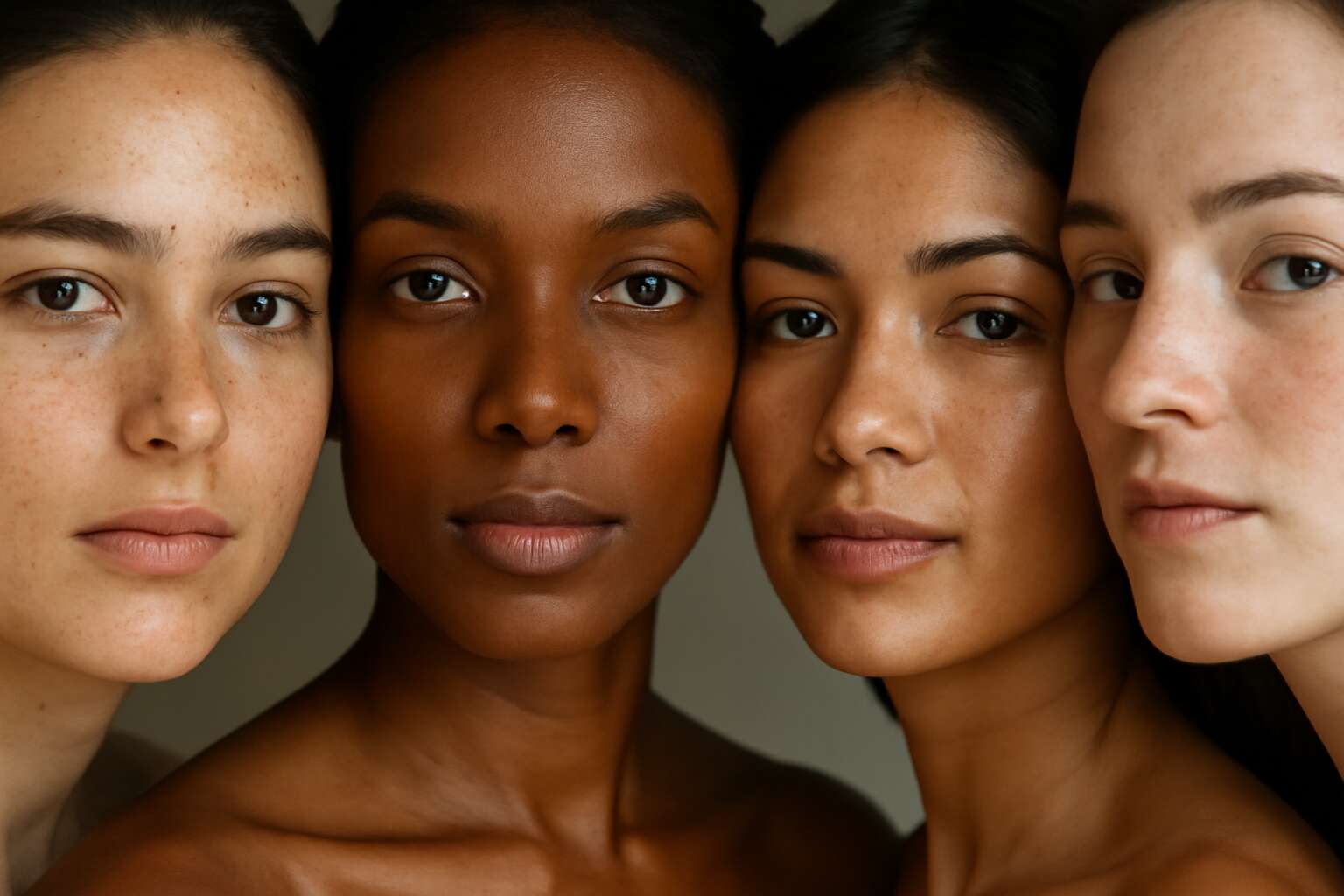
Pigment shifts are among the most visible markers of skin health, guiding clinicians through diagnosis and care. In South Africa’s diverse complexion landscape, precision matters; this field centers on skin conditions pigment definitions that distinguish benign changes from patterns requiring evaluation. The aim is clarity, not confusion, for patients navigating concerns about their skin, where tone and texture braid a subtle narrative of identity.
To map the terrain, consider these common categories:
- Melasma
- Post-inflammatory hyperpigmentation
- Vitiligo
Taken together, the overview outlines etiology, presentation, and prognosis, offering a defined vocabulary for clinicians, researchers, and informed readers who seek context in the realm of pigmentary skin diversity.
Common Pigmentary Conditions
In South Africa’s diverse complexion landscape, pigment shifts reveal more than color—they trace inflammation, sun exposure, hormones, and genetics. When examined through the lens of skin conditions pigment, clinicians decode a spectrum of changes rather than a single defect, guiding nuanced care.
Common presentations distinguish patterns based on onset, distribution, and texture. Expect outcomes to vary with skin type, age, and lifestyle—factors that shape prognosis and treatment response without labeling a condition prematurely.
- Dark hyperpigmented patches that react to light, hormones, and seasons.
- Patches after acne, injury, or inflammatory events—post-inflammatory changes.
- Areas of pigment loss with irregular borders, sometimes patchy or symmetric.
Clear terminology supports patients seeking context in their pigmentary journey, aligning medical insight with lived experience and community values.
Causes and Risk Factors
Across South Africa’s mosaic of skin tones, pigment shifts narrate more than hue—they echo sun, hormones, and history. In the realm of skin conditions pigment, patterns emerge when light and biology meet, not as a single defect but as a symphony of factors.
- Ultraviolet light and cumulative sun exposure
- Genetic background and ethnicity shaping baseline pigment
- Hormonal fluctuations across puberty, pregnancy, and menopause
- Inflammation from acne, injury, or dermatitis
- Photosensitizing medications or cosmetic procedures
Age, environment, and lifestyle weave risk into the pigmentary story, reminding clinicians that changes arise from a constellation rather than a single culprit.
Diagnosis and Evaluation
In South Africa’s sun-warmed tapestry, pigment changes narrate more than color—they mirror sun exposure, hormones, and heritage. In the realm of skin conditions pigment, pattern, history, and histology become allies, not culprits. The skin’s pigment diary is rarely dramatic on a single page—it’s a mosaic waiting for careful reading.
Diagnosis and evaluation begin with listening to onset and triggers, then mapping distribution and any inflammation. A compact toolkit is used to separate benign drift from conditions needing closer scrutiny:
- History and exposure mapping
- Clinical examination and pattern recognition
- Supplementary tests (Wood’s lamp, dermoscopy, biopsy) performed by specialists
These elements guide a confident pigmentary diagnosis, prioritizing pattern and history over noise. The result is clarity in the realm of skin conditions pigment and a roadmap that respects South Africa’s diverse skin tones.
Treatments and Skincare
In South Africa, roughly 20% of adults live with pigment questions that refuse to be silenced, a reflection of sun, hormones, and heritage etched into the skin. The pigment diary is not mere color—it is a history, waiting for a careful read.
When outlining treatments and skincare, clinicians weave pattern, history, and patient priorities into one cohesive plan that honors SA’s diverse tones. These conversations remind us that skin conditions pigment are not simply marks but signs of lived experience.
- Topical therapies that rebalance pigment disruption with nuanced tolerability
- Procedural options such as light-based therapies and resurfacing, approached judiciously
- Lifestyle considerations and sun-protective principles woven into daily living
In practice, this approach respects individuality while guiding a brighter, more balanced complexion across South Africa’s population.
Prevention and Long-Term Care
In South Africa’s sunlit tapestry, prevention and long-term care unfold as a quiet epic, where skin conditions pigment whisper histories rather than mere marks. The weave reflects sun, hormones, and heritage, inviting careful reading by clinicians and patients alike. This partnership treats the skin as a dynamic landscape, inviting balance and longevity rather than quick fixes.
Prevention and long-term care emerge through a framework of mindful observation, patient priorities, and respectful adaptation. The following elements keep the narrative hopeful rather than fraught:
- Holistic observation of pigment evolution across seasons
- Adaptive strategies that honor diverse tones
- Collaborative planning with care teams rooted in cultural context




0 Comments