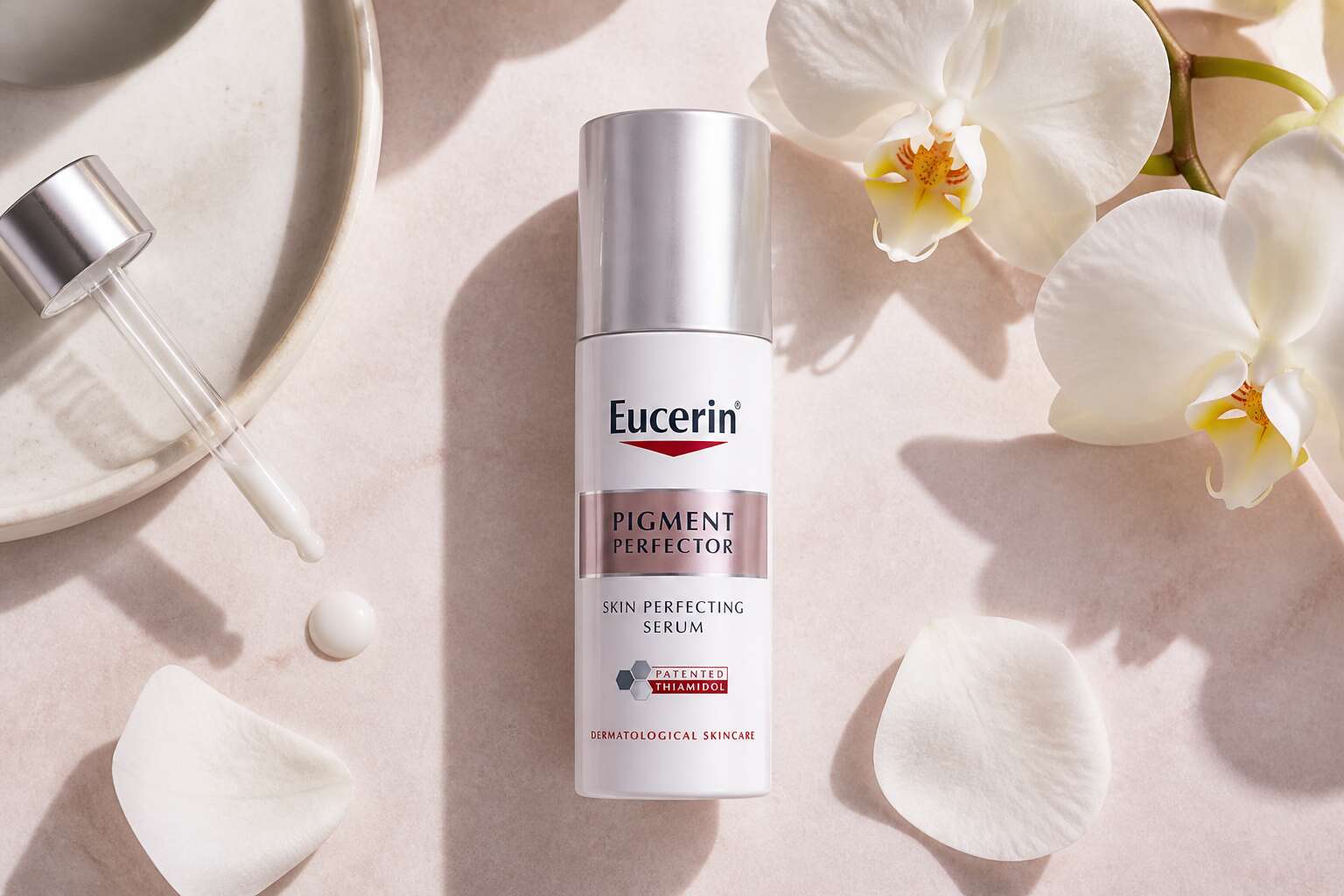
Understanding Hyperpigmentation and Skin Discoloration
What Causes Dark Spots and Uneven Skin Tone?
Hyperpigmentation is the skin’s memory of stress, written in melanin. When sun exposure, hormones, or inflammation trigger excess pigment production, dark spots settle into the complexion like stubborn stains. In South Africa’s intense UV climate, these marks appear faster and linger longer!
The root causes vary, but the result is the same: an uneven tone that feels impossible to erase. Age spots, melasma, and post-acne scars each follow their own biological pathway, yet all converge on the same disruption.
- Solar lentigines from cumulative sun damage
- Post-inflammatory marks from breakouts or procedures
- Hormonal shifts that stimulate melanocyte activity
From my experience, understanding these triggers helps explain why a targeted formula like pigment perfector eucerin works at the source rather than masking the surface. The pigment’s behaviour is complex, but the approach can be direct.
The Role of Melanin Overproduction in Pigmentation
Melanin serves a purpose. It filters UV rays and shields DNA from damage. The trouble begins when melanocytes, the pigment-producing cells, receive conflicting signals and start overproducing melanin. This melanin overproduction creates an excess of pigment that the skin cannot process at its normal pace.
Tyrosinase, the enzyme responsible for melanin synthesis, accelerates when triggered. The surplus pigment migrates upward through the epidermis, gathering in uneven patches. This is the precise sequence that pigment perfector eucerin targets.
- Melanin spikes within hours of UV exposure
- Pigment transfer outpaces cellular shedding
- Discolouration persists when the cycle repeats
Surface brighteners alone fail because they scrub what is already visible. Intercepting the pathway before pigment settles requires controlling melanocyte activity at the source, which is where pigment perfector eucerin directs its attention.
Active Ingredients That Target Stubborn Pigment
Thiamidol: The Breakthrough Compound for Dark Spots
Melanin production is a necessary defense mechanism, but when it overshoots, the result is stubborn pigment that outlasts many skincare trends. Thiamidol, a molecule developed through years of research, changes that outcome.
Thiamidol works by inhibiting tyrosinase, the enzyme that initiates melanin synthesis. Unlike older actives that merely fade surface discoloration, Thiamidol interrupts the process earlier. This is crucial for dark spots that resist conventional treatments.
- It is clinically proven to reduce visible hyperpigmentation in as little as two weeks.
- It works on existing spots while preventing new ones from forming.
- It maintains effectiveness without causing irritation.
For persistent marks, pigment perfector eucerin delivers where other formulas fall short.
Supporting Actives like Hyaluronic Acid and Glycerin
Stubborn pigment is more than a melanin surplus. It is a cellular memory that persists because the surrounding tissue lacks the resilience to shed it. I have seen formulas fail because they attack the enzyme while ignoring the matrix. The pigment perfector eucerin tackles this by pairing the inhibitor with a hydration framework.
Supporting actives do the unglamorous work. Hyaluronic acid pulls water into the upper layers, creating the plasticity needed for healthy keratinocyte shedding. Glycerin, a humectant with a long clinical history, locks that moisture in place so the barrier does not crack under oxidative stress.
- Hyaluronic acid plumps the matrix, making pigment cells less compact.
- Glycerin stabilises the lipid bilayer, preventing secondary irritation.
This is why the formula works where isolated actives fail. It addresses the structural environment, not just the enzyme. That distinction matters for South African skin, where sun exposure is intense and the skin’s repair cycle is often compromised!
The Importance of SPF in a Pigment-Fighting Routine
South Africans face UV index levels that regularly exceed 11 in summer, a reality that makes pigment management a daily negotiation with the sun. The pigment perfector eucerin pairs Thiamidol with niacinamide and ascorbic acid derivatives. Each active interrupts a different stage of melanin transfer:
- Niacinamide prevents melanin from reaching the upper skin layers.
- Vitamin C neutralises the oxidative burst that triggers tyrosinase activity.
- Licorice root extract soothes the inflammatory response that deepens pigmentation.
These actives regulate melanin production. They do not bleach the skin. Without SPF, however, their work is undone within minutes. Sun exposure re-stimulates melanocytes and restarts the entire cascade. SPF blocks the signal that initiates pigment formation. In South Africa, where UV intensity is severe, SPF is the non-negotiable partner to the pigment perfector eucerin!
Comparing Glutathione and Vitamin C in Pigment Correction
South Africa’s obsession with injectable glutathione has birthed pop-up clinics peddling skin-whitening infusions, yet published evidence for those phlebotomy perks stays modest. I respect the hustle, but the data tells a quieter story. Vitamin C attacks pigment by another route. It inactivates tyrosinase through copper chelation and electron donation, a mechanism skincare brands love to cite.
For stubborn lesions, delivery dictates outcome:
- Oral glutathione at 250 to 500 mg daily requires weeks before melanin shifts perceptibly.
- Topical ascorbic acid blocks new melanin formation but degrades quickly without stabilisation.
Pigment perfector eucerin represents a different solution! Glutathione and vitamin C each play supporting roles, yet neither matches the compound specificity of pigment perfector eucerin. South Africans managing resistant splotches gain more from targeted topicals than from any IV bottle.
How Niacinamide Enhances Skin Radiance
Stubborn pigment often resists standard brightening serums because it sits deep within the dermis! Active ingredients must penetrate multiple layers to interrupt melanin production at its source. Pigment perfector eucerin relies on precisely targeted actives, each performing a distinct function without overwhelming the skin.
- Niacinamide blocks melanosome transfer, preventing pigment from reaching the surface.
- Stabilised peptides suppress overactive melanocytes beneath the epidermis.
Niacinamide enhances radiance by accelerating cellular renewal and strengthening the lipid barrier. This B vitamin reduces redness and blotchiness, which makes existing spots appear less pronounced. In my experience, South African skin exposed to intense UV benefits from niacinamide’s calming effect, so even tone becomes achievable.
Selecting the Ideal Serum or Cream for Your Concerns
Matching the Treatment to Your Specific Skin Type
Half the battle with dark spots is choosing the right weapon. You wouldn’t use a sledgehammer to hang a picture, and you shouldn’t use a heavy cream when a light gel is what your skin craves. The texture and delivery system determine how well the active ingredients penetrate, which directly impacts how effectively a pigment perfector eucerin formula works for you.
Your skin’s baseline oiliness should dictate the vehicle. Oily and combination skins typically fare better with lightweight serums or gel-creams that absorb quickly and won’t clog pores. Dry or mature skin, on the other hand, often needs the richer emollient base found in a cream to maintain barrier function while the anti-pigment actives do their work. Pumping moisture into a dehydrated complexion while trying to fade marks is a recipe for irritation.
Consider your specific concern. Are you tackling a few stubborn sun spots or a broad, patchy melasma across the cheeks?
– For isolated spots, a targeted stick or pen might offer precision.
– For widespread discolouration, a full-face serum is more practical.
– For sensitive skin, a fragrance-free formulation without alcohol is non-negotiable.
Your comfort is critical for consistency. The most scientifically advanced serum in the world won’t yield results if you stop using it after a week because it feels tacky or greasy on your skin. A product you enjoy applying is one you will actually apply. Find the formulation that feels invisible on your face, and you have found the right one for your routine.
Lightweight Serums Versus Rich Night Creams
Most pigmentation treatments fail because the texture fights your skin’s natural rhythm. The pigment perfector eucerin range understands this, offering lightweight serums for humid coastal mornings and rich night creams for dry Highveld evenings. A serum sinks in fast, ideal when you need SPF on top without piling. A night cream works while your barrier repairs. Consider your daily exposure:
- Serums suit high humidity, oily T-zones, or layering.
- Night creams suit air-conditioned rooms, cold fronts, or mature skin.
Your choice should reflect when and where you apply it, not just what the label promises.
Best Practices for Sensitive Skin and Reactive Conditions
Selecting between a serum and a cream for pigmentation often comes down to your skin’s immediate reactions. For sensitive or reactive conditions, the pigment perfector eucerin range provides a tolerable starting point, yet careful observation decides success. I always tell clients in Cape Town to patch test behind the ear for three days, and believe me, patience pays off!
- Notice any stinging within ten minutes of application.
- Check for redness or bumps after twenty-four hours.
- Track changes after a full week of nightly use.
Reactive skin also demands simpler routines. Choose one active product at a time, and pair it only with a basic moisturiser and SPF. The pigment perfector eucerin formula works best when your barrier stays calm, so skip exfoliants during the adjustment phase. Heat and humidity in Durban can amplify irritation, so apply a thinner layer in summer. Your concern, whether stubborn melasma or post-inflammatory marks, changes the texture you need, but sensitivity always takes priority.
When to Use a Spot Treatment Versus a Full-Face Formula
Pigment never spreads evenly, and neither should your treatment. The location of your concern dictates whether you reach for a spot treatment or a full-face formula. A solitary dark spot on the cheekbone asks for a different texture than widespread melasma across the forehead and jawline.
For isolated marks, a spot treatment delivers pigment perfector eucerin directly to the offending area without disturbing the rest of your skin. For diffuse discolouration, a full-face formula ensures even coverage and prevents new spots from forming in neglected zones.
I often ask clients to consider these scenarios:
- You have three small post-inflammatory marks from a healed breakout. Spot application works.
- Your entire nose and upper lip show sun damage. Full-face application is wiser.
The pigment perfector eucerin range includes both serum and cream formats. Serums suit oily or combination skin, while creams serve drier complexions. Match the vehicle to your concern, not just the label.
Building an Effective Daily Skincare Application Sequence
Cleansing and Prepping for Optimal Ingredient Absorption
Most people focus on which product to buy, not when to apply it. That is a costly mistake. The order of your routine determines whether active ingredients reach the cells that need them. A well planned sequence means the difference between visible fading and wasted money.
Cleansing does more than remove dirt. It breaks down the barrier of sebum and dead skin cells. Without this step, even the most advanced formulas sit on the surface and evaporate.
Follow this order for optimal absorption:
- Cleanse with lukewarm water and a gentle low pH cleanser.
- Pat dry, leaving the skin slightly damp.
- Apply the pigment perfector eucerin before any heavier creams.
The pigment perfector eucerin targets melanin production at the source. It needs a clean, slightly damp surface to penetrate without friction. Skipping prep compromises its performance. Moisture helps the formula spread evenly across the face.
Layering the Pigment Corrector with Your Other Essentials
Your skin registers each application as a step in a sequence. The order you choose dictates whether the pigment perfector eucerin delivers its full power or fails to reach its target.
Layering it correctly requires respecting the texture and purpose of each product. Apply the pigment perfector eucerin immediately after a light toner or essence. This places the active on a clean surface, free from heavy oils or silicones. Follow with a moisturizer to lock in hydration, but give it a few minutes to settle. A simple sequence looks like this:
- Cleanse and pat dry.
- Apply the formula to slightly damp skin.
- Distribute a lightweight serum over the active.
- Seal with your day or night cream.
This sequence ensures the active reaches the melanocytes without interference. It also prevents pilling, a common issue when layering thick formulas too quickly.
Morning Routine Integration and Sun Protection Strategies
The morning routine is where the pigment perfector eucerin proves its value. South African sun arrives early and stays late. UV exposure hits your skin before you finish your coffee. I build the sequence around protection, because prevention determines whether the active can work properly over time.
A deliberate order matters more than product count. The pigment perfector eucerin goes on clean, dry skin. Follow with a lightweight moisturiser suited to our climate. Then finish with your sunscreen. The shield looks like this:
- Broad spectrum SPF 50 applied generously
- Reapplication every two hours spent outdoors
- Physical barriers for midday exposure
Sun protection is the strategy. Without it, the formula fights a losing battle against fresh UV damage. Keep the sequence tight, and your skin reaps the benefit.
Evening Routine Adjustments for Overnight Renewal
Evening requires a different kind of discipline. The pigment perfector eucerin has already spent the day defending against UV, but at night it shifts into repair mode. Your skin’s natural renewal cycle peaks while you sleep. That is why I remove all traces of sunscreen and city grime before applying anything else.
After cleansing, I pat the skin dry and press a thin layer of the pigment perfector eucerin onto my face. No need for layering with other actives here! A simple, ceramide-rich night cream seals it in. The goal is to let the formula work without competition.
One adjustment makes a measurable difference:
- Avoid late-night snacking, as blood sugar spikes can trigger inflammation.
- Keep your bedroom cool, since heat slows down cellular repair.
- Skip the second cleanse in the morning, but never skip the evening one.
Expected Timeline for Visible Improvements
Building a daily sequence around the pigment perfector eucerin is about consistency, not complexity. Cleanse, apply the formula, then follow with SPF in the morning. At night, cleanse again and press the same pigment perfector eucerin onto dry skin before a ceramide cream. The order stays identical every single day. That repetition matters more than any single ingredient.
Here is what that structure looks like:
1. Cleanse with a gentle, sulfate-free wash.
2. Apply the pigment perfector eucerin to dry skin.
3. Seal with moisturiser and SPF in the morning, or a night cream in the evening.
Visible changes follow a clear curve. Most people notice a brightening effect within two weeks. Dark spots start to fade by week six. Deeper pigmentation may need twelve weeks or longer. The pigment perfector eucerin works because Thiamidol blocks melanin production at the source. Results are gradual since new skin cells take time to surface.
Maintaining Results and Preventing Recurrence
Consistency keeps the pigment perfector eucerin working long after the first visible shift. A fixed routine prevents the return of stubborn discolouration, but only when every step supports the same goal.
- Cleanse and pat skin fully dry.
- Press the treatment into targeted areas first.
- Wait three minutes before layering moisturiser.
Maintenance is not about increasing frequency. Overuse of the formula can irritate the skin barrier and slow recovery. Stick to twice daily application and keep SPF as a non-negotiable layer. Sun exposure is the main trigger for melanin reactivation, and a neglected sunscreen step undermines the entire routine. Track progress by photographing the same patch of skin every month. I have found it reveals what fading truly looks like.
Preventing recurrence also demands patience. Pigmentation that took years to develop will not vanish in weeks. Smart application, consistent habits, and ongoing sun defence keep the pigment perfector eucerin delivering measurable results through every skin cycle.
Addressing Common Concerns and Myths
Can Pigmentation Treatments Cause Side Effects?
Most South African skincare users wonder whether a pigment perfector eucerin triggers side effects. The honest answer is nuanced. Clinical data shows low irritation rates when the formula is introduced gradually. A small percentage of consumers with impaired barrier function do report temporary stinging.
Common myths circulate in beauty forums:
- Pigment correctors bleach the skin.
- Thiamidol thins the epidermis.
- Discontinuation causes rebound darkening.
None survive scrutiny. The pigment perfector eucerin interrupts melanin synthesis without damaging surrounding keratinocytes. In my experience, the compound’s specificity accounts for its tolerability. The real variable is your routine’s context, not the product itself. Sun exposure, humidity, and concurrent exfoliating acids alter outcomes. In South Africa’s intense UV climate, the formulation’s built-in soothing agents make it a sensible option for most Fitzpatrick skin types.
The Truth About Purging and Skin Adjustments
Some users mistake the adjustment period for purging. The pigment perfector eucerin does not accelerate cell turnover the way retinoids do, so true purging is unlikely. What you might notice is a brief texture shift as the formula recalibrates melanin activity.
Dry patches or tightness can appear if you over cleanse before application. This is not the product failing. It is your barrier asking for a slower introduction. Common reports during the first week include:
- Mild tightness on dry zones
- A temporary change in texture
- No breakouts from the formula itself
Most South African users see equilibrium return quickly. The formula’s soothing agents help, but patience matters more. In my experience, the skin adjusts best when you do not change anything else in your routine at the same time.
Combining Professional Procedures with Home Care
A single laser session will not undo years of accumulated pigmentation, and pretending otherwise costs patients real progress. South African skin faces intense UV exposure that reactivates melanocytes within weeks. That is why professional procedures and the pigment perfector eucerin work best as partners, not rivals.
I have watched patients abandon their home care routine after a chemical peel. Within two months, the dark spots returned! The clinic addressed the visible pigment, but nothing was stopping the underlying melanin signal.
Common myths follow a pattern:
- Professional treatment removes the need for daily care.
- Stronger acids speed results after procedures.
- All home products should pause for weeks after a session.
The pigment perfector eucerin should be reintroduced only when your clinician confirms the skin barrier has sealed. Applying it earlier does not accelerate fading. It triggers inflammation, and inflammation worsens pigmentation.




0 Comments