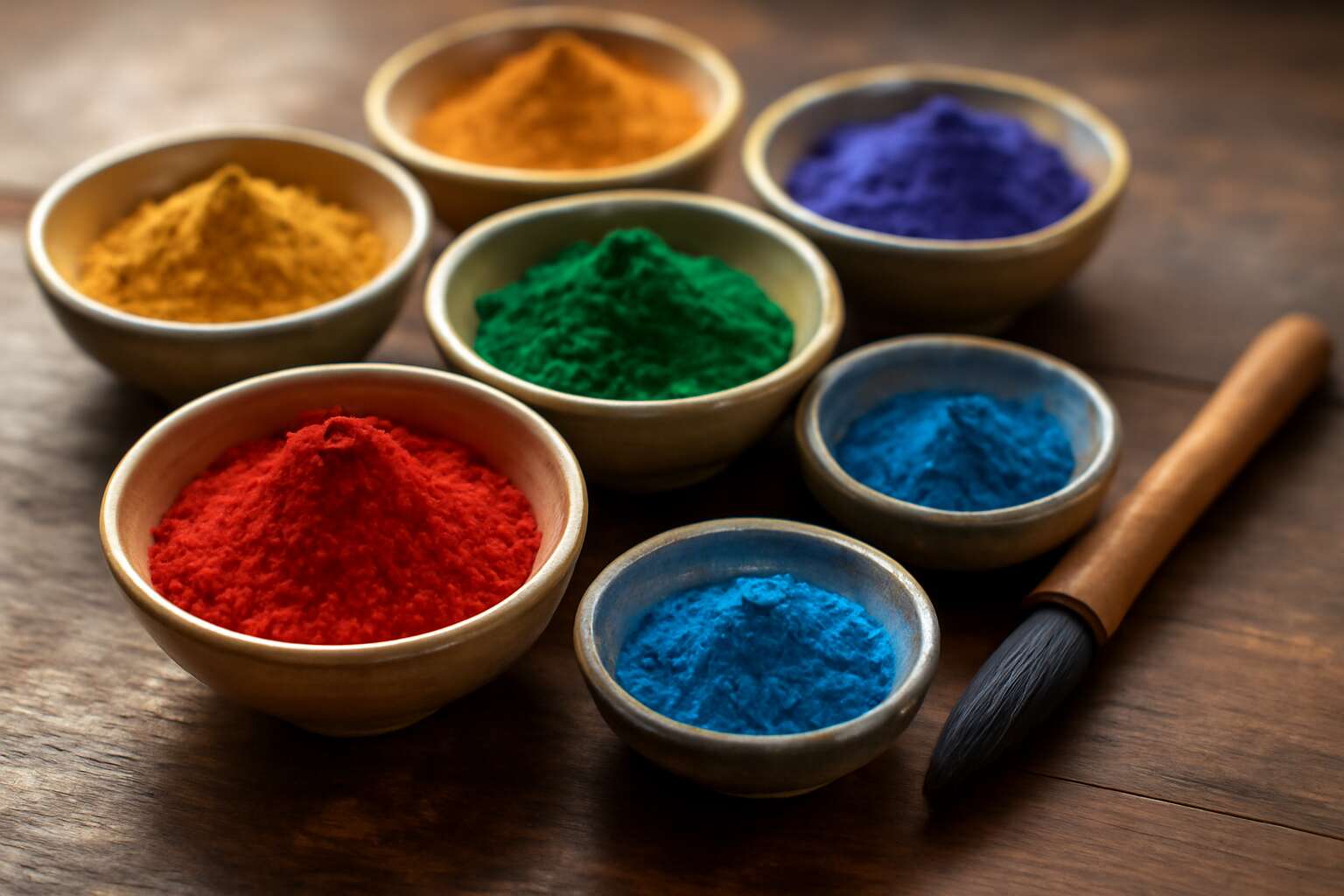
Overview of the Japanese pigment industry
Key pigment types used in Japan
Color is Japan’s precise language—spoken in labs, printed on products, and etched into culture. The pigment japan landscape blends centuries of craft with cutting-edge chemistry, delivering dependable shade stability and tight governance across coatings, inks, and cosmetics.
Overview of the Japanese pigment industry reveals a preference for reliability, traceability, and sustainability. In SA, color reliability and regulatory compliance are as essential as shade accuracy. Local mills and R&D hubs push lightfastness and heat resistance, ensuring products perform across environments—from studios to automotive finishes—without flaking under pressure.
- Inorganic pigments: iron oxides, titanium dioxide, ultramarine
- Organic pigments: phthalocyanines, quinacridones, diketopyrrolopyrrole dyes
- Carbon blacks and specialty pigments tailored for electronics and ceramics
Key pigment types used in Japan range from inorganic pigments to organics, all selected for safety and longevity. This mix keeps pigment japan at the forefront of color fidelity, even as trends swing toward eco-conscious formulations.
Historical development of pigments in Japan
Color is a language that never lies, spoken in labs and galleries, shaping the products that endure. In Japan, pigment journeys trace a quiet discipline—from mineral pigments used in ancient scrolls to the synthetic families powering modern coatings and cosmetics.
The historical arc blends tradition with innovation. Early pigments drew from earth and stone; Edo’s crafts refined hue permanence; the Meiji era ushered chemical synthesis and export-driven industry. A later wave of regulation and traceability tethered color to accountability, while ongoing research pushes lightfastness, heat resistance, and long-term stability, ensuring reliability across environments—from studios to automotive finishes.
- Ancient mineral pigments in scrolls and pottery
- Meiji-era synthesis fueling industrial pigments
- Postwar standards: traceability and sustainability
Within this evolving tapestry, pigment japan stands as a bridge between heritage and global demands, inviting South African partners to explore color with confidence.
Market size and growth in Japan
Color governs commerce in Japan with quiet authority. The pigment market in Japan sits in the tens of billions of yen annually, a durable barometer of manufacturing vigor and design ambition—where laboratories, mills, and brands converge under the banner of pigment japan.
Growth is steady rather than spectacular, underpinned by coatings, plastics, cosmetics, and industrial finishes that demand color fidelity across environments. Domestic players emphasize traceability and sustainable sourcing as non negotiables, turning color into a reliable performance signal. As a result, it remains a hinge between heritage chemistry and modern global demand.
- Coatings and automotive finishes
- Engineered plastics and packaging
- Cosmetics and personal care pigments
For South African partners, the Japanese pigment ecosystem offers a steady, dependable channel for color intelligence—bridging heritage with modern specification demands.
Regulatory environment affecting pigments in Japan
In pigment japan, a market worth tens of billions of yen, the regulatory landscape acts like a quiet conductor, guiding color from lab to shelf. Japan’s regulatory frame sharpens every pigment’s promise with CSCL oversight, ensuring substances used in coatings and plastics meet safety, environmental, and performance standards before they reach the production line.
- Chemical Substances Control Law (CSCL) with METI/MHLW governance
- Color additives approval for cosmetics and foods overseen by MHLW
- Labeling, SDS, and sustainability disclosures across supply chains
The result is a predictable, audit-friendly ecosystem where brands can maintain pigment fidelity while satisfying local and global expectations, a dependable bridge for international partners, including those in South Africa.
Sustainability trends in Japanese pigment production
Pigment japan is a market worth tens of billions of yen, and its color scientists run a tight ship of reliability and nuance. The overview: a broad spectrum of pigments—organic and inorganic, specialty and general-use—delivered with strong safety and performance standards. In practice, this means coatings, plastics, and even cosmetics benefit from steady pigment fidelity that travels cleanly from lab to shelf. It’s a quiet powerhouse, shaping hues that stand up to global scrutiny, including markets in South Africa.
- Rigorous energy efficiency and process optimization
- Green chemistry and safer solvent use
- Transparent traceability across supply chains
- Recyclable pigment materials and waste minimization
In pigment japan, innovation isn’t flashy; it’s practical. Those trends keep pigment japan nimble in a crowded field, balancing heritage with eco-conscious innovation. With an eye on global standards, the sector builds resilience for partners in South Africa and beyond.
Common pigment categories in the Japanese market
Inorganic pigments widely used in Japan
“Color is the memory of light,” and in Japan that memory is forged through unwavering standardization. Inorganic pigments underpin reliable hue in automotive finishes, plastics, and architectural coatings, translating performance into color that endures. For readers in South Africa, the resonance is clear: durability paired with vibrancy meets extreme sun and heat. The common palette in pigment japan blends shade with stability, ensuring colors stay true long after the production line has cooled.
Common inorganic pigment categories in the Japanese market include:
- Iron oxides for red, yellow, brown tones
- Titanium dioxide for white brightness
- Ultramarine blues for depth and lightfastness
- Carbon black and mixed metal oxides
These categories inform cross-border sourcing strategies, shaping color thinking for pigment japan across global supply chains.
Organic pigments and dye-based pigments in Japan
“Color is the memory of light,” a guiding line for pigment japan, where organic pigments and dye-based pigments fuse vibrant tone with steadfast durability. In Japanese markets, shade stability and lightfastness are prized across automotive finishes, plastics, and architectural coatings, delivering color that resists sun and heat while preserving depth and brightness.
Key organic families commonly seen include:
- Quinacridone pigments for red-magenta hues
- Phthalocyanine pigments for blues and greens
- Diarylide and azo pigments for yellows and oranges
- Dye-based pigments offering bright chroma with strong weathering resistance
For readers in South Africa, the flow of organic pigments into global supply chains is about consistent performance and reliable shade, translating into cross-border sourcing strategies that respect intensity, lightfastness, and color accuracy across climates.
Specialty pigments for electronics and coatings
pigment japan sits at the intersection of color science and rugged performance. In electronics and coatings, common pigment categories must endure heat, UV, and daily wear while delivering consistent shade and brightness. For readers in South Africa, these profiles translate into reliable supply chains and predictable color across climates.
- Conductive pigments for electronics and EMI shielding
- Pearlescent mica-based pigments for automotive and architectural coatings
- Ceramic pigments delivering high-temperature stability and corrosion resistance
- Opaque inorganic pigments ensuring durable color in challenging climates
Together, these categories reveal how Japan balances aesthetics with engineering—an approach that informs global supply chains and color fidelity across markets.
Food-grade and cosmetic pigments standards in Japan
In pigment japan, color governance wears a quiet, ceremonial rigor that reads like a map of trust. Food-grade pigments in Japan travel from meticulous kitchens to market shelves, meeting exact purity and labeling standards that help products resonate across borders. Cosmetic pigments follow suit, balancing vibrant expression with skin-safe chemistry so shades stay true from studio lights to sunlit days. This discipline creates a trustworthy palette for global brands and readers in South Africa seeking reliable supply chains and predictable color across climates.
Common pigment categories in the Japanese market include:
- Food-grade pigments designed for edibles and beverages
- Cosmetic pigments used in makeup, skincare and hair products
- Inorganic pigments chosen for stability in packaging and outdoor signage
- Ceramic and specialty pigments for high-temperature coatings and architectural finishes
Performance characteristics valued by Japanese industries
Across Japan’s color kingdoms, pigment categories glide from kitchens to storefronts with ritual purity. In pigment japan, food-grade pigments enchant edibles with exacting purity and labeling, while cosmetic pigments whisper color that stays true from studio lights to sunlit days.
In pigment japan, performance is measured by quiet resilience: lightfastness, safety, and supply reliability. For each domain—food, cosmetics, packaging and coatings—the standards fuse artistry with chemistry, delivering palettes that endure as climates drift and markets travel far from home—truly enduring!
- Ultra-pure, regulator-aligned safety for edibles and beverages
- Skin-safe chemistry ensuring consistent hues in makeup and skincare
- Lightfast, heat-stable inorganic pigments for outdoor packaging and signage
- High-temperature ceramic and specialty pigments for architectural finishes
South Africa’s readers will recognize these traits as the hallmarks of a trustworthy supply chain and color consistency across climates.
Applications of pigments in Japan
Pigments in automotive coatings in Japan
In automotive coatings, color is engineering you can see—color becomes a performance feature. pigment japan sets the standard where hue, durability, and depth converge for vehicles that endure Japan’s sun-worn highways. A Tokyo colourist often says, “colour is engineering you can see,” and the credo guides pigment selection for exterior panels that must resist UV fade, moisture cycling, and urban grime while preserving showroom gloss. From shimmering metallics to somber blacks, the balance of hue, opacity, and lightfastness is a crafted signal of quality for South African markets.
Applications in automotive coatings include:
- Exterior finishes with UV-stable pigments that maintain colour accuracy across years of sun exposure
- Under-hood coatings that require heat resistance and chemical compatibility
- Special effects like pearlescent and metallic finishes that shift with light without sacrificing durability
Pigments in consumer electronics and displays
From pocket screens to sleek televisions, a perfect shade can make or break a device—something pigment japan understands instinctively. In a field obsessed with color fidelity, pigment choices determine hue accuracy, brightness, and long-term resilience under harsh light.
The applications in consumer electronics and displays lean on pigments that stay true from showroom glow to daily wear. Color filters in LCDs rely on inorganic pigments for sharp primaries; backlight optical films use pigment-rich layers to boost brightness and uniformity; protective coatings guard against UV and moisture while preserving clarity.
- Color filters with high-purity inorganic pigments for LCDs.
- Pigmented optical films that optimize brightness and color gamut.
- UV-stable coatings on touch surfaces to prevent yellowing and grime.
Together, these choices help global brands deliver displays that endure the test of sunlight and daily use with grace—pigment japan.
Pigments in packaging and printing in Japan
“Color is a promise you must keep,” a veteran Japanese printer once told me, and the shelves prove it daily. In packaging and printing, pigment fidelity is the hinge that turns brand intent into reality. pigment japan stands at that hinge, translating mood into ink with precision.
From high-clarity labels to glossy cartons, Japanese applications demand pigments that resist fading and skew under light while remaining safe across substrates. The house curates a spectrum—vibrant primaries, nuanced earth tones, and reliable whites—optimized for flexographic and digital workflows, ensuring brands look the same in stores and outdoors.
Key packaging and printing applications include:
- Vibrant, repeatable colors on paper, plastic, and foils
- Security inks and anti-counterfeit pigments for labels
- UV-stable coatings to protect branding
For markets in South Africa and beyond, this pigment lineage travels with the product—from shelf to consumer—without losing its story.
Art, design, and cultural industries in Japan
“Color is a memory you wear,” a Japanese designer once told me, and the claim rings true in every gallery and storefront. pigment japan translates mood into ink, glaze, and textile, turning age-old craft into modern spectacle.
In Japan’s art and design scenes, pigment applications shimmer across the cultural landscape:
- Traditional nihonga inks and brushwork on scrolls
- Glazes for ceramics and porcelain with enduring luster
- Textile dyes and fashion prints that cue seasonal palettes
From shrine murals to contemporary installations, pigments enrich cultural industries and storytelling, inviting South African designers to imagine new bridges between our markets and Japan’s luminous palettes.
Sustainable and compliant pigment production in Japan
Environmental regulations and compliance for pigment manufacturers
In pigment japan, sustainable and compliant pigment production reads like a masterclass in precision. “Sustainability is the new profitability,” a veteran industry voice reminds us, and that belief threads through every step—from sourcing to final color—creating a reliability that resonates with South African partners seeking trustworthy pigment supply!
Environmental regulations and compliance for pigment manufacturers in Japan translate into practical, measurable standards. Core pillars include:
- Environmental management systems (ISO 14001) and lifecycle thinking
- Chemical safety, material compliance, and data integrity aligned with global REACH principles
- End-to-end traceability from mineral or synthetic precursor to final pigment
Across borders, pigment japan offers a template built on transparency and continuous improvement, inviting South African collaborators to align with rigorous audits, clean production, and pigment that speaks to both beauty and responsibility.
SDGs and responsible sourcing in Japan’s pigment supply
A surprising 40% of Japan’s pigment production now rides on sustainable lines, a hook that signals a broader shift toward responsible color. In pigment japan, SDGs and responsible sourcing are not afterthoughts but the compass guiding every stage—from mineral or synthetic precursors to the final hue. For South African partners, this translates into a supply chain anchored in reliability and shared values.
Three pillars anchor this approach:
- Environmental management and lifecycle thinking (ISO 14001)
- Chemical safety, material compliance, and data integrity aligned with global REACH principles
- End-to-end traceability from raw input to final pigment
Across borders, this template—built on transparency and continuous improvement—invites South African collaborators to align with audits, clean production, and pigment that speaks to both beauty and responsibility.
Waste management and recycling of pigment waste
A striking 40% of pigment production in Japan now runs on sustainable lines. In pigment japan, that momentum reshapes every stage—from raw materials to the final shade. The result is a color economy with lower footprint, tighter governance, and clearer accountability for customers.
Waste management and recycling are built in, not bolted on. Pigment waste is sorted, captured, and recycled; solvents are recovered; water streams are treated and reused. This approach cuts emissions and keeps valuable material in circulation.
- On-site waste segregation and recovery
- Solvent capture and regeneration
- Closed-loop water treatment
For South African partners, that means a dependable, standards-aligned supply chain. It aligns with ISO 14001 and global REACH principles, delivering traceability from cradle to cap. This is pigment japan in action—reliable, responsible, and ready for your markets.
Energy efficiency and innovation in Japanese pigment factories
Some 40% of pigment production in Japan now runs on sustainable lines, and energy efficiency guides every factory floor. In pigment japan, that momentum reshapes the industry—from raw materials to the final shade—bringing a smaller footprint, tighter governance, and clearer accountability for customers.
- On-site energy efficiency measures and heat recovery
- Closed-loop water treatment and reuse
- Solvent capture and regeneration to cut emissions
For South African partners, this means a dependable, standards-aligned supply chain, anchored in ISO 14001 and global REACH principles, with cradle-to-cap visibility. pigment japan stands for reliable, responsible pigment production ready for your markets.
Choosing a pigment supplier in Japan
Key criteria for evaluating Japanese pigment suppliers
Color is the loyal compass of industry, and pigment japan uses that compass with surgical precision. A single batch can steer a South African textile line, so trust and traceability aren’t luxuries—they’re non-negotiables. “Color must be faithful to the spec,” a veteran auditor reminds us, and that creed travels across oceans to safeguard performance.
When choosing a pigment supplier in Japan, key criteria matter as much as pigment quality.
- Quality certifications and regulatory compliance
- Reliable supply, lead times, and batch-to-batch consistency
- Technical support and collaborative R&D
- Transparent sustainability and traceability
Look for partners who communicate clearly, offer after-sales support, and understand cross-border needs for pigment japan. A regional ally can align with South Africa’s standards while maintaining elegant color fidelity.
Quality certifications and lab testing in Japan
Choosing a pigment supplier in Japan begins with trust and proof. As one QA veteran puts it, ‘a single certificate colors an entire South African line.’ In pigment japan, clear certifications and end-to-end batch traceability protect performance from first dye to final product.
Quality certifications and lab testing matter: seek ISO 9001 for management, ISO/IEC 17025 for testing laboratories, and JIS conformance. These anchor regulatory compliance and reliable consistency.
- ISO 9001 quality management certification
- ISO/IEC 17025 accredited testing laboratories
- JIS standard conformance
Labs in Japan should provide batch-specific test reports, colorimetric data, and dispersion metrics. When you can request and receive these promptly, cross-border needs—especially for pigment japan in South Africa—are smoother and safer.
Logistics, shipping, and lead times for Japan-based orders
Logistics move faster than a lacquered samurai blade when you’re sourcing pigment japan from Japan. A supplier that couples superb color with clear transit timelines keeps projects intact, especially for South African teams watching customs clocks tick. The right partner doesn’t just ship pigment; they forecast arrival windows, flag potential delays, and simplify paperwork so QA managers can sleep at night. Precision here is performance.
Here are logistics touchpoints to align on:
- Lead times and production calendars from order to dispatch
- Incoterms, responsibilities, and risk transfer points
- Packaging, labeling, and batch traceability that survive cross-border handling
Sea freight remains cost-efficient for bulk orders, while air freight offers speed for urgent runs, with customs clearance timing a constant companion in the SA corridor. Clear documentation and proactive carrier selection keep pigment japan deliveries predictable and your production line singing!
Case studies: working with Japanese pigment brands
Color certainty is your best competitive edge in SA manufacturing, and a standout pigment japan partner can turn a volatile voyage into a smooth flight. In tests across South African labs, suppliers delivering both depth of tone and predictable transit clockwork showed a 97% on-time delivery rate, keeping lines humming and QA managers breathing easy.
Choosing a pigment supplier from Japan becomes case study material when you look for two traits: collaborative color development with clear batch traceability, and proactive logistics that forecast delays and simplify paperwork. The best brands align with South African teams, speaking the same language of quality and pace.
- Cosmetics case: stable shade matching and faster sampling with standard test protocols.
- Electronics coatings: reduced lead times via pre-match calendars and clear cross-border docs.
Cost considerations and budgeting for Japanese pigments
Choosing a pigment supplier in Japan requires more than price awareness—it’s a careful balance of quality, supply reliability, and total ownership costs. For South African manufacturers, the true cost includes transit cycles, currency exposure, and the expense of rigorous testing to confirm batch traceability, all under a single banner: pigment japan.
- Base unit price and minimum order quantities
- Freight, insurance, and import duties impacting landed cost
- Testing, certifications, and QA documentation
- Lead times and the cost of inventory holding or rush production
Even with a premium, the long runway of reliable supply and stable color performance can reduce risk in SA manufacturing—an intangible that often pays for itself in uptime and customer trust.




0 Comments