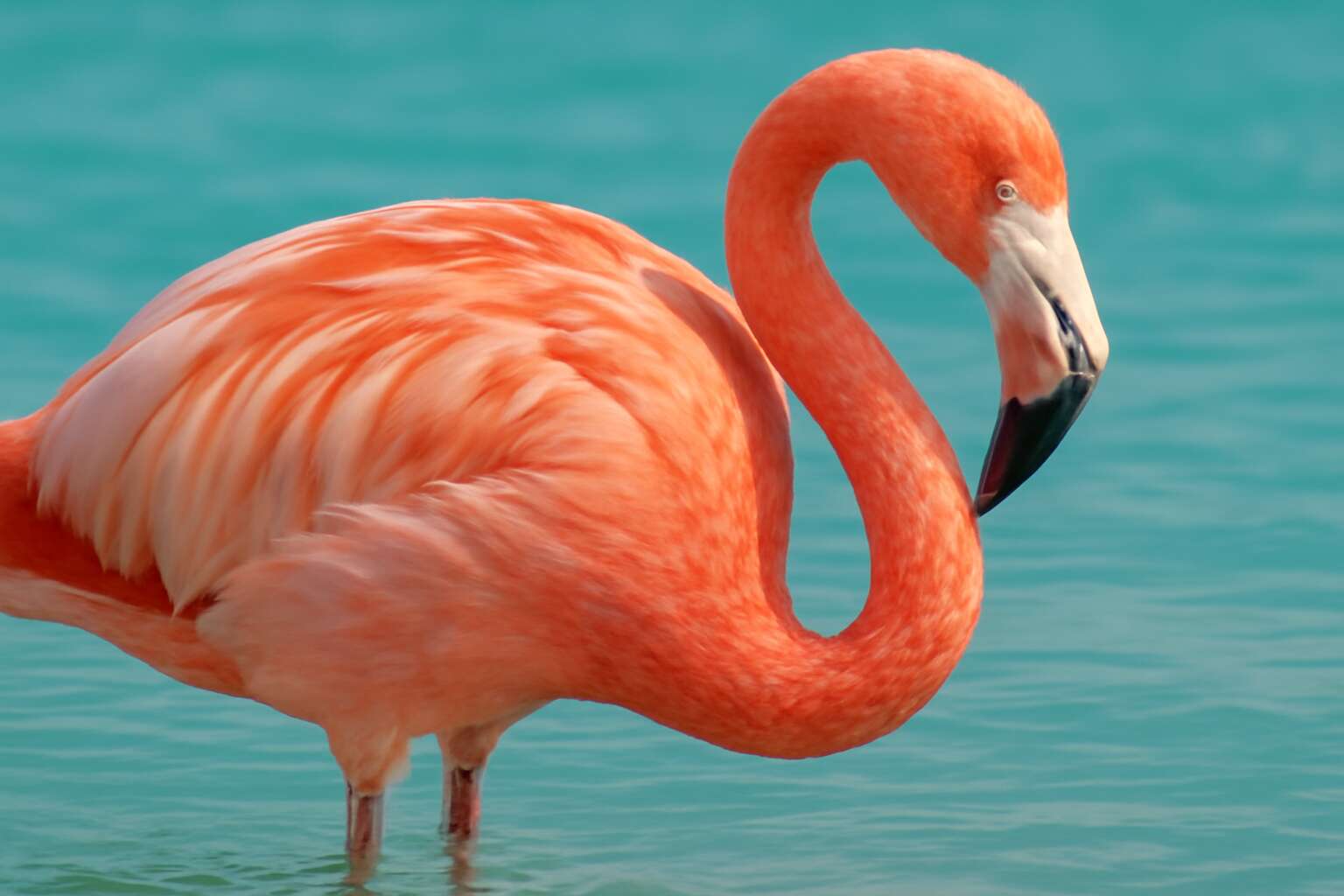
Flamingo Pink Color and Pigments in Diet
Primary Pigments in Flamingo Diet
In South Africa’s coastal wetlands, a flamingo’s pink is more than a color—it’s a living report card on diet and habitat. Across colonies, the hue ranges from pale pink to a striking magenta as tides shift and feeding opportunities change.
What pigment makes flamingos pink? In short, carotenoid pigments from their diet are the culprits, and the body piles them into feathers and skin. Carotenoids such as canthaxanthin and astaxanthin, gathered from shrimp, algae, and plankton, are absorbed and metabolized during feather growth. In other words, what pigment makes flamingos pink is carotenoid-based pigments derived from their diet.
- Carotenoids from crustaceans and algae (beta-carotene, canthaxanthin)
- Astaxanthin and related red pigments from diatoms and microalgae
- Diet composition and pigment intake influence shade and intensity
For observers and ecotourists, the color tells a story about local food webs and seasonal abundance, a subtle reminder that beauty often mirrors nutrition.
Carotenoids and Coloring Process
Color is nourishment wearing feathers, and in flamingos the pigment tells a story about the food chain. So, what pigment makes flamingos pink? Carotenoids from their diet are the culprits, absorbed and deposited as the birds grow new feathers. They don’t synthesize pigment themselves; instead the pink arrives with meals of shrimp, algae, and plankton.
Key pigments include beta-carotene, canthaxanthin, astaxanthin, and related red pigments. The hue depends on which pigments arrive and in what amounts, so diet composition directly influences shade and intensity.
- Beta-carotene from algae and phytoplankton
- Canthaxanthin from crustaceans
- Astaxanthin from diatoms and microalgae
Where feeding opportunities surge, plumage can brighten toward magenta; during lean times, pale pink returns. For ecotourists across South Africa’s wetlands, the color is a living readout of local food webs and habitat health—an everyday signal stitched into the birds’ feathers.
Species Differences in Pigment Use
Color is nourishment wearing feathers, a living readout of the wetlands’ web. So, what pigment makes flamingos pink? The pigment arriving in their feathers comes from carotenoids in their prey, not something the birds synthesize themselves.
Species differences in pigment use mean the hue shifts across flamingo groups. Some populations accumulate more astaxanthin or canthaxanthin from local crustaceans, others lean on beta-carotene from algae. In South Africa’s estuaries, diet variety can tilt plumage toward magenta when shrimp and diatoms are plentiful, and pale pink during lean seasons.
Watching the color rise and fall, I hear the ecology speak—each shade a note on habitat health and food web balance. It’s a vivid reminder that color is a shared appetite translated into feathered symbolism.
Wild vs Captive Diets and Color Outcomes
Pink isn’t painted by a pigment factory in the bird—it’s a diet-driven signature. In South Africa’s wetlands, the hue can shift as prey blooms rise and fall, turning a flock’s pink from pale blush to vibrant magenta. So, what pigment makes flamingos pink. It’s carotenoids from their prey, not something the birds synthesize themselves.
Wild flamingos accumulate astaxanthin and canthaxanthin from crustaceans, while beta-carotene from algae also colors feathers. In captive settings, diets are engineered to mimic these pigments, often via formulated pellets or supplements to maintain seasonal vibrancy. The result is color outcomes that mirror local food webs rather than genetics alone.
Consider these flow factors:
- Natural prey variability shapes pigment intake
- Captive diets rely on controlled carotenoids and timing
- Color signals habitat health and management success
Biochemical Pathways of Flamingo Color
Digestive Processing of Carotenoids
Color is diet decoded. Flamingo plumage is less a painter’s stroke than a biochemical diary, where meals sculpt pigment through a slow, shimmering alchemy.
People often ask what pigment makes flamingos pink, and the answer threads carotenoids through digestion and deposition, turning meals into feather-fire. Biochemical pathways govern absorption, hepatic processing, and the precise deposition into keratin.
- Ingestion of carotenoid-rich crustaceans and algae
- Digestive emulsification and cleavage of carotenoids in the gut
- Absorption into the bloodstream and targeted transport to feathers
- Deposition in keratin, modulating pink depth
The outcome hinges on diet quality, digestive efficiency, and time, which explains the gradations seen across colonies, including those in South Africa’s coastal wetlands.
Metabolic Transformation and Pigment Storage
Color is chemistry with a heartbeat. In South Africa’s coastal wetlands, flamingo pink hues shift with the seasons, sometimes hinting at cravings and climate more than genetics. The question, what pigment makes flamingos pink, opens a doorway into a cascade of enzymes, carriers, and feather storage that turns meals into color.
Biochemical pathways choreograph a journey: carotenoids are released from prey, then liver enzymes tweak their structure so they ride in lipoproteins, awaiting deposition. The body stores them in keratin cells, where a slow turnover deepens flight color.
- Transport by lipid carriers to feather follicles
- Selective deposition into keratin during feather growth
- Shade modulation through enzymatic conjugation and trimming
In practice, this means two birds with identical diets wear different tones, dependent on digestive efficiency, hepatic processing, and feather maturation timing—an ode to natural variation in South Africa’s habitats.
Liver and Tissue Interaction
Color is chemistry with a heartbeat, and in South Africa’s coastal wetlands, flamingos can shift hue by up to 40 percent across seasons. The drama plays out in the liver, where carotenoids are subtly tweaked and then escorted by lipoproteins to the bloodstream, a transit that softens or sharpens the finale on the wing.
Biochemical choreography unfolds in three acts:
- Lipoprotein transport ferries carotenoids to growing feather follicles
- Keratin deposition during feather synthesis traps the pigment
- Enzymatic refinements modulate shade as plumage hardens
The question ‘what pigment makes flamingos pink’ nudges the narrative toward how liver chemistry, lipid carriers, and feather maturation collaborate to crown the plumage with pigment.
That is the elegant trick behind the pink—an orchestra where timing matters as much as taste. The result? A plumage spectrum as dynamic as a sunset over Table Mountain, proof that color has a backstage pass.
Color Fading and Recovery Mechanisms
In South Africa’s tidal wetlands, flamingos can shift hue by up to 40 percent across seasons. Not a single pigment—it’s carotenoids from their diet, refined in the liver and ferried to growing feathers to color the plumage.
The fading phase follows when intake drops or molt alters feather growth. The liver tailors carotenoids for transport, and lipid carriers deliver pigment to follicles where the keratin matrix traps the hue.
Recovery blooms as diet improves and pigment flow resumes, deepening pink tones and restoring a sunset-like spectrum. The trio—dietary carotenoids, hepatic refinement, and feather maturation—carries the drama from coast to wing. So what pigment makes flamingos pink is found in carotenoids processed by the liver and fixed in growing feathers.
Dietary Sources and Color Management in Captivity
Natural Food Sources in the Wild
More than 90 percent of a flamingo’s pink comes from carotenoids it intakes through diet—a bold reminder that color is a nutrient passport, not a genetic badge. In captivity, color is a managed spectrum, and thoughtful feeding guides the hue. The question of what pigment makes flamingos pink shapes how we balance prey, metabolism, and mood in an enclosure.
Natural food sources in the wild supply the carotenoids that sing through feathers. In their lakes and salt flats, flamingos harvest a diet of:
- Brine shrimp and other crustaceans rich in carotenoids
- Plankton and blue-green algae that carry pigments
- Small mollusks and insect larvae kicked up by shallow waters
These foods funnel pigments like astaxanthin into tissue, shaping color in the wild. Color management in captivity hinges on targeted carotenoids, keeping shade vivid yet balanced with ethical care. In South Africa’s reserves and facilities, tailored feeds sustain the plumage’s living sunset.
Typical Captive Diets and Color Outcomes
In captivity, color is a managed spectrum, and every mouthful matters. The burning question—what pigment makes flamingos pink—guides menus, metabolism, and mood in a controlled enclosure. Flamingos rely on dietary carotenoids to tint feather tips toward coral, while keepers tune the balance to avoid dulling or oversaturation.
- Artemia and crustacean-based pellets fortified with astaxanthin or canthaxanthin
- Formulated flamingo pellets designed for pigment delivery
- Algae-based supplements and vegetable matter that contribute natural carotenoids
Color outcomes in captivity reflect not only what is fed but how the birds metabolize, store, and display pigment. With careful carotenoid tailoring, plumage glows without sacrificing health, and the hue can shift with season, light, and water quality.
Supplementation and Safety Considerations
Across South Africa’s conservation spaces, color is not whimsy but a measurable signal of health. As one keeper likes to say, “Color is health in feathers.” The burning question—what pigment makes flamingos pink—drives how diets are designed and how pigments are balanced. Dietary carotenoids tint feather tips toward coral, and careful sourcing keeps pigment bright without compromising vigor.
In captivity, supplementation is precise and monitored. Overdosing can dull the sheen or place strain on metabolism, so teams tailor doses to each flock, test feather clarity, and review water quality and light exposure. When carotenoids are managed with care, the birds glow with a natural radiance that speaks to vitality and well-being.
Seasonal Availability and Color Variability
In South Africa’s managed wetlands, feather color doubles as a health metric—visible brightness can track nutrition, with up to 25% more vivid plumage tied to carotenoid-rich diets. The intriguing question—what pigment makes flamingos pink—drives pigment sourcing and color management in captivity.
Dietary Sources and Color Management in Captivity hinge on deliberate carotenoid provisioning. A quick snapshot of common sources includes:
- Formulated pellets with astaxanthin or canthaxanthin
- Natural extracts from marigold and paprika
- Fresh greens or crustacean remnants when feasible
Seasonal Availability and Color Variability mirrors natural cycles—lighting, water clarity, and flock dynamics modulate pigment deposition, so color ebb and flow remains a barometer of overall husbandry quality in SA facilities.
How to Ethically Support Color Without Harm
In captivity, the question “what pigment makes flamingos pink” guides every decision about nutrition and welfare. Carotenoids do the work, and the craft lies in delivering them safely—balancing intake, health, and color expression rather than chasing brilliance at any cost.
Dietary provisioning can be structured around three pillars that respect health while supporting color:
- Structured carotenoid supplements calibrated to each flock’s needs
- Botanical pigment extracts that balance enrichment with safety
- Fresh forage opportunities that mirror natural foraging patterns
Color becomes a living welfare signal, a reminder that vibrant plumage is earned through balanced systems and ethical care, not manufactured through risk!
Ecology, Health, and Public Understanding
Health Implications of Pigment Intake
Ecology: Color is the ledger of a flamingo’s ecology, and the ledger reads loudest in the wetlands. Readers often ask what pigment makes flamingos pink, and the answer lies in carotenoids carried by their prey, absorbed and stored as the ecosystem nourishes them. In healthy wetlands, diverse communities of shrimp, algae, and crustaceans sustain vivid hues!
- Seasonal shifts in prey availability shape intensity
- Water quality and salt balance influence pigment access
- Feeding at optimal times boosts color expression
Health: From a health perspective, pigment intake mirrors nutrition: carotenoids support immune function and balance, but excess supplementation can disrupt digestion in captivity. Mindful diets align with natural metabolism, avoiding shortcuts!
Public Understanding and Health Implications: Public understanding of flamingo color invites wonder and responsibility. When audiences glimpse a rosy silhouette, they glimpse a larger story about habitat stewardship and ethical care in captivity—honest dialogue that honors nuance as much as aesthetic allure!
Conservation Relevance of Flamingo Color
Ecology: The rosy silhouette isn’t mere ornament; it signals a pigment ledger in the wetlands. Readers often wonder what pigment makes flamingos pink. The answer lies in carotenoids carried by prey—shrimp, algae, crustaceans—absorbed and stored as the ecosystem nourishes them. In healthy wetlands, prey abundance sustains vivid hues.
Health: Pigment intake mirrors nutrition; carotenoids support immune balance, and liver processing tunes color intensity. Yet in captivity, excess supplementation can disrupt digestion. Grounded diets aligned with natural metabolism keep the pigment story honest, avoiding shortcuts that could dull the spectrum of pink.
Public Understanding and Conservation Relevance: The flamingo’s color invites wonder and responsibility in equal measure. When a pink silhouette glides the shallows of South Africa’s coastlines or freshwater wetlands, it becomes a beacon for habitat stewardship and ethical care in captivity—a vivid reminder of our shared stewardship.
Myths About Flamingo Color and Diet
“Color is a compass,” a field biologist once said, and a flamingo’s rosy silhouette hints at the wetlands’ health. So, what pigment makes flamingos pink? It’s carotenoids from prey like shrimp, algae, and crustaceans, absorbed and stored as the ecosystem nourishes them. In healthy wetlands, prey abundance sustains vivid hues.
- shrimp
- algae
- crustaceans
Healthwise, pigment intake mirrors nutrition; carotenoids bolster immune balance, and the liver helps tune color intensity. In captivity, excessive supplementation can disrupt digestion, so grounded diets keep the pink honest.
The public understanding of flamingo color often blends myth with fact. When a pink silhouette glides the South African coast or inland lagoons, it becomes a beacon for habitat stewardship and responsible care in captivity—an invitation to protect wetlands.
Educational Messaging and Public Outreach
In South Africa’s wetlands, flamingos act as living barometers of the ecosystem. So, what pigment makes flamingos pink? The short answer is carotenoids drawn from prey like shrimp and crustaceans, stored in tissues as the habitat nourishes them and prey stays abundant.
In health terms, those pigments track nutrition and immune balance. I’ve seen enclosures where diet carefully aligns with natural sources, keeping color honest without stressing digestion. Excessive supplementation can tilt the gut, while balanced feeding preserves a natural pink.
Public understanding and outreach turn color into conservation currency! When communities along the South African coast glimpse that rosy silhouette, they glimpse habitat stewardship in action. We can engage learners with field observations and programs that connect color to wetlands health.
- School outreach visits
- Citizen science bird counts
- Wetland stewardship events

0 Comments