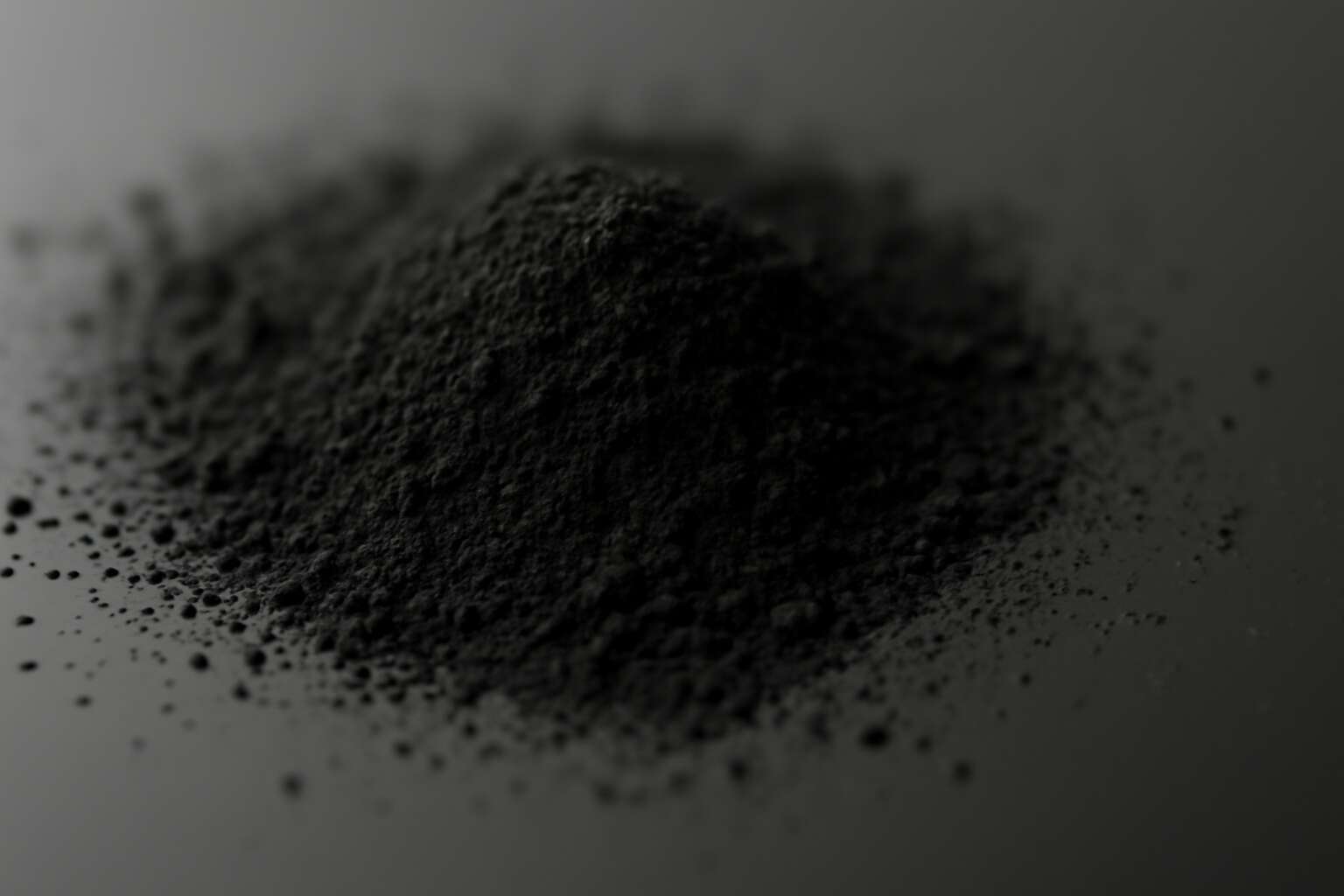
What is Pigment Black 32
Overview of Pigment Black 32
In coating circles, pigment black 32 is the quiet heavyweight. Across SA coatings, pigment black 32 often delivers up to 40% of the color depth, making other pigments blush with envy. It’s a carbon black pigment prized for strong tinting, rich opacity, and stable performance in harsh South African conditions.
Here are the highlights:
- High tinting strength that makes black sing
- Excellent opacity for solid coverage
- Strong lightfastness and heat stability
- Broad compatibility with common binders and resins
Used across South Africa’s plastics, coatings, and printing sectors, pigment black 32 powers durable finishes for consumer goods and industrial applications alike. It remains the go-to carbon black for depth, contrast, and a dash of swagger in every black coating.
Chemical Composition and Pigment Class
pigment black 32 stands as carbon’s disciplined prince among PBk pigments, its essence rooted in elemental carbon woven into tiny, resilient spheres that swallow light and wear midnight like a throne. In South Africa, carbon black pigments contribute up to half the color depth in black finishes, and this one quietly bears the load.
Chemically, pigment black 32 is mainly elemental carbon with trace oxides and mineral ash. Its surface bears groups that aid dispersion and resin bonding, tuning how it behaves across binders. The inner architecture can be summarized as:
- Elemental carbon core (predominant)
- Trace inorganic oxides and mineral ash
- Surface functional groups (carboxyl, carbonyl, lactone)
As a member of the carbon black pigment class, pigment black 32 delivers stable tinting power and solid opacity, with broad binder compatibility for durable finishes in South Africa’s plastics and coatings sectors.
Physical Properties and Color Metrics
Pigment black 32 delivers a depth that anchors black finishes in plastics and coatings. In South Africa, this carbon black drives opacity and consistent shade across formulations.
Physically, it consists of nano-scale primary carbon particles that form stable aggregates. The surface carries functional groups that improve dispersion and resin bonding, while a high surface area boosts light absorption and jetness. You’ll notice strong opacity with good dispersibility across binders.
- Particle size and aggregation: nano-scale primary particles forming robust aggregates
- Oil absorption value: supports film build and body
- Tinting strength and opacity: deep, uniform color
- Dispersion: reliable performance across resin systems
Color metrics emphasize deep jet black with minimal hue shift, delivering stable color across UV exposure and heat in South Africa’s plastics and coatings markets.
Common Grades and Variants
In a world where shade slips ruin a batch, the right pigment black 32 grade is a quiet hero. It promises reliable opacity and dispersibility across resins—the unsung workhorse of plastics and coatings. As a veteran chemist puts it, “Jet black isn’t a mood—it’s a protocol.”
Common grades and variants include:
- General-purpose grade for everyday plastics and coatings
- High-jetness grade delivering maximum opacity
- Dispersion-optimized grade for difficult resins and stabilizers
- UV-stable grade for sun-exposed environments
In the South African market, these variants help maintain uniform shade across formulations, from automotive finishes to packaging films, ensuring consistent color in varying climates and UV exposure.
Industrial Standards and Certification
In a market where audits define shelf life, pigment black 32 must prove its mettle beyond the color itself. A veteran chemist once said, “Certifications aren’t ornaments; they’re the backbone of performance.” Industrial standards anchor reliability across resins and climates, a critical edge for South African manufacturers facing diverse UV exposure and regulatory scrutiny.
Key certifications typically encountered include:
- SABS certification for South Africa
- ISO 9001 Quality Management System
- REACH compliance for chemical safety
These standards ensure the product meets traceability, purity, and performance benchmarks essential to automotive coatings, packaging films, and durable plastics in South Africa.
Applications and End-Uses of Pigment Black 32
Printing and Ink Formulations
Three seconds—that’s all a shopper gives a label before deciding what to ignore. pigment black 32 is the quiet workhorse behind that impression, delivering depth, legibility, and a uniform tone across print runs.
In printing and ink formulations, it shines in packaging inks, labels, and security features, where dense blacks and crisp lines matter across substrates—from carton boards to glossy magazines—especially under South Africa’s vivid sunlight.
- Packaging and label inks for consumer goods
- Security-enabled inks for anti-counterfeiting
- Gravure and offset inks for magazines and catalogues
End-uses span brand communications, point-of-sale materials, and on-demand printing, with performance traits such as stability, color consistency, and resistance to fading ensuring that the message stays sharp from bureau to buyer.
Coatings and Paints
Depth without drama—pigment black 32 quietly carries the weight of every sentence across coated surfaces. In the sunlit South African landscape, it holds its poise with unwavering fidelity.
In coatings for packaging and consumer goods, it yields dense blacks and crisp lines, resisting fading as substrates move from carton boards to glossy magazines.
Applications span key end-uses that demand consistency.
- Packaging inks and labels
- Security and anti-counterfeiting features
- Gravure and offset finishes for magazines
Color stories endure—from brand messaging to on-demand print—carrying the narrative with color stability and legibility as steadfast partners from bureau to buyer.
Plastics and Polymer Systems
In South Africa’s blistering sun, plastics meet their perfect midnight: pigment black 32 threads depth through resin without claiming the limelight. When blended into masterbatches or high-load concentrates, it disperses with quiet authority, resisting fade as films twist, fibers flex, and parts cycle through heat and sunlight. It harmonizes with polyolefins, nylons, and engineering resins, delivering uniform darkness, stable gloss, and dependable color fastness across demanding polymer systems.
End-uses span bold automotive interiors, durable housings for consumer electronics, and packaging films that brave the elements.
- Automotive interiors and exterior trims requiring uniform black depth
- Consumer electronics housings where heat and wear resistance matter
- Packaging films and rigid containers with sustained opacity
- Outdoor signage and agricultural plastics designed for UV exposure
Formulators balance resin compatibility, masterbatch geometry, and processing windows to translate pigment properties into predictable performance, a quiet promise kept from the factory floor to the showroom shelf.
Textiles and Dyeing with Pigment Black 32
South Africa’s sun can reach UV indices up to 11+, turning exposed fabrics into fading memories. pigment black 32 meets that challenge with a deep, stable black that resists fading through heat and washing, keeping textiles looking new longer.
In textiles and dyeing, the shade is tuned for uniform depth across fibers, from cottons to synthetics. Its performance translates into confident colorfastness in fashion, upholstery, and outdoor fabrics.
- Everyday apparel fabrics needing durable black depth
- Upholstery and curtains for sustained appearance
- Outdoor and technical textiles with UV exposure
From vat dyeing to modern digital printing, pigment black 32 integrates smoothly with standard dyeing recipes, offering predictable results from sample to scale. The narrative of color is consistent, quiet, and compelling—precisely what South African manufacturers seek in demanding textile applications.
Market Segments and Use-Cases
Across South Africa’s fashion and industrial landscape, pigment black 32 acts as a quiet anchor for color stories that refuse to fade. In a market where UV exposure and repeated washing threaten depth, this pigment delivers a lasting, true black that stays faithful to the original sketch. From everyday wear to durable home textiles, the demand for dependable black depth is palpable, and pigment black 32 answers with disciplined fidelity.
- Daily-wear fabrics seeking enduring black depth
- Upholstery and curtains maintaining a steadfast hue
- Outdoor and technical textiles exposed to sun and weathering
Marketers and millers alike prize predictability, with pigment black 32 offering reliable results from sample to scale, ensuring the narrative of color remains consistent across production runs and finishes.
Performance, Stability, and Color Quality
Fastness and Lightfastness of Pigment Black 32
Performance: pigment black 32 delivers strong tinting strength and reliable dispersion across coatings, inks, and plastics. In South Africa, this means fewer reworks and steadier color across batches—production runs smoother! It blends well with common binders, staying deep and uniform even at higher pigment loads.
Stability: The pigment shows robust stability under processing and service. It resists settling, gelation, and color drift during shear and drying, crucial for high-speed production lines and ink formulations in South Africa. Its chemical compatibility minimizes interactions that cause gloss or hue shifts.
- Thermal stability and heat aging
- Chemical resistance in common solvents
- Dispersion stability and settling resistance
Color Quality Fastness and Lightfastness: For outdoor exposure, this pigment maintains a strong color quality and lightfastness. In accelerated tests, it resists fading under UV and keeps a near-true black across textiles, coatings, and plastics, supporting consistent appearance in SA markets.
Opacity and Tinting Strength
Performance in real-world South Africa workflows is about reliable tinting and steady batch-to-batch results. pigment black 32 delivers strong tinting strength and reliable dispersion across coatings, inks, and plastics, minimizing rework and smoothing production lines.
- Strong tinting strength across systems
- Reliable dispersion for coatings, inks, and plastics
- High pigment loading with minimal hue drift
Stability remains robust under processing and service—resists settling, gelation, and color drift during shear and drying, crucial for high-speed lines and ink formulations in SA. Its chemical compatibility minimizes interactions that cause gloss or hue shifts.
Color Quality, Opacity and Tinting Strength: For outdoor exposure, this pigment maintains strong color quality and high opacity, resisting UV fading and keeping a near-true black across textiles, coatings, and plastics, supporting consistent appearance in SA markets.
Resistance to Heat and Chemicals
Performance driven by a steady tinting profile marks pigment black 32 across coatings, inks, and plastics. It delivers strong tinting strength at meaningful pigment load, with reliable dispersion and minimal hue drift that keeps lines moving rather than chasing rework in busy SA manufacturing floors.
Stability across processing and service remains robust, resisting settling, gelation, and color drift during shear and drying. Its chemical compatibility minimizes interactions that trigger gloss or hue shifts, helping high-speed lines and formulations stay consistent across SA environments.
Color quality and resistance to heat and chemicals: outdoors, it maintains near-true black under UV exposure and chemical stress, ensuring durable appearance on textiles, coatings, and plastics in SA.
Dispersion and Milling Considerations
Performance hinges on a steady tinting profile and predictable behavior under fast production. The pigment black 32 delivers reliable dispersion at meaningful pigment loads, keeping lines moving on busy SA floors and resisting abrupt hue shifts as machines hum at full tilt!
Stability is the quiet workhorse here—resisting settling, gelation, and color drift during shear and drying. Its chemical compatibility minimizes interactions that trigger gloss or hue shifts, letting high-speed lines stay consistent across SA environments.
Color quality remains near-true under UV and chemical stress, a boon for textiles, coatings, and plastics. In dispersion and milling considerations, the aim is a stable, even-toned black across batches, with minimal rework, and predictable performance in SA environments.
Color Consistency and QA Processes
Performance on the line is king. Pigment black 32 delivers reliable dispersion at meaningful pigment loads, keeping lines moving on busy SA floors and resisting abrupt hue shifts as machines hum at full tilt!
Stability remains the quiet workhorse—resisting settling, gelation, and color drift during shear and drying. With pigment black 32, chemical compatibility minimizes interactions that trigger gloss or hue shifts, letting high-speed lines stay consistent across SA environments.
Color quality stays near true under UV and chemical stress, a boon for textiles, coatings, and plastics. Color consistency and QA processes ensure a stable, even-toned black across batches, with minimal rework and predictable performance in SA environments.
- Sampling and statistical QA checks
- Viscosity and pigment load verification
- Fastness testing and traceability
Environmental and Regulatory Considerations
In the high-stakes theatre of pigment dispersion, environmental stewardship is a performance metric. For pigment black 32, reliability on the line pairs with lifecycle transparency, delivering a hue that endures under scrutiny on South Africa’s bustling production floors. As an industry veteran notes, “Color is money—and stability is the margin.”
Stability is the quiet engine: resisting settling, gelation, and color drift as machines hum at full tilt. When regulatory data travels with batches, QA gains a clearer map of interactions, ensuring consistent behavior across SA environments.
Color quality holds near true under UV and chemical stress, a boon for textiles, coatings, and plastics. Environmental and regulatory considerations intertwine with QA to sustain safe handling and responsible stewardship of this pigment in every batch.
- Lifecycle assessment and environmental impact
- Waste management and packaging compliance
- Supply-chain traceability and supplier declarations
Safety, Handling, and Sustainability
Safety Data and Handling Guidelines
In South Africa’s busy production floors, pigment black 32 is a workhorse. A kilogram can color thousands of metres of fabric, but safety data and handling guidelines are non-negotiable. The SDS for this pigment outlines risks, exposure controls, and first-responder safety, helping teams stay compliant while preserving product integrity.
Handling guidelines emphasize containment and good housekeeping. Storage in sealed, labeled containers, minimal dust generation, and adherence to the SDS reduce exposure and contamination risk. The practice favors engineering controls and appropriate PPE, with clear local disposal policies to keep workspaces safe.
- PPE and engineering controls
- Ventilation and dust control
- Spill response and waste minimization
From a sustainability standpoint, responsible pigment management minimizes environmental impact. Implementing good waste segregation, recycling where feasible, and compliant disposal aligns with South Africa’s regulatory framework and green chemistry goals. The result is a safer, cleaner workflow and a more sustainable supply chain.
Storage and Shelf Life
Across South Africa’s bustling production floors, pigment black 32 is the silent engine of color. One kilogram can tint thousands of metres of fabric, yet the true alchemy lies in disciplined safety and storage that keep performance unspoiled and colors true.
Safety and handling anchor every shift. Store pigment black 32 in sealed, labeled containers, in a dry, ventilated area away from heat and moisture. Guard against dust and cross-contact; proper storage extends shelf life and preserves color stability, while the SDS guides disposal and first-responder steps.
- Sealed, labeled containers and dry storage
- Good housekeeping to minimize dust
- Routine inventory checks and documentation
From a sustainability vantage, preserving pigment integrity minimizes waste and aligns with South Africa’s green chemistry goals. Thoughtful segregation, compliant disposal, and robust inventory controls keep the pigment black 32 supply chain safe, efficient, and ready for the next production arc.
Waste Management and Environmental Impact
Color is a responsibility, not a palette! “Color is responsibility,” a plant manager once said, and pigment black 32 lives that creed on our factory floors.
On South Africa’s production floors, safety and handling anchor every shift. Seal and label containers, keep pigment black 32 in a dry, ventilated space away from heat and moisture, and guard against dust to preserve color stability. The SDS guides disposal and response.
To keep the workflow lean, a few core practices matter:
- Sealed, labeled containers and dry storage
- Good housekeeping to minimize dust
- Routine inventory checks and documentation
From a sustainability vantage, preserving pigment integrity minimizes waste and aligns with South Africa’s green chemistry goals. Thoughtful segregation, compliant disposal, and robust inventory controls keep the supply chain safe, efficient, and ready for the next production arc.
Regulatory Compliance and Labeling
Safety and handling stay frontline on South Africa’s factory floors, especially with pigment black 32 on the line. Keep containers sealed and labeled, store dry and ventilated away from heat, and guard against dust to preserve color stability. The SDS isn’t a souvenir—it’s your quick-response guide for spills and exposures.
Regulatory compliance and labeling tie stewardship to traceability. Ensure GHS-aligned hazard statements on every container, keep an up-to-date SDS accessible to workers, and maintain batch documentation. A robust labeling system reduces misidentification and speeds incident response.
- GHS-aligned labeling
- Accessible SDS
- Batch documentation
From a sustainability angle, preserving pigment integrity minimizes waste and supports green chemistry goals in South Africa. A disciplined approach—clear record-keeping, compliant disposal, and transparent supplier declarations—keeps the supply chain safe, efficient, and ready for the next production arc.
Sustainability and Green Chemistry Initiatives
On South Africa’s factory floors, safety remains front and center when pigment black 32 flows through the line. The color demands careful containment, dry storage, and vigilant dust control to protect color integrity and workers alike. “Color is a language of care,” notes a veteran plant supervisor, reminding teams that every container carries responsibility—and every spill is a signal to respond swiftly and calmly.
- GHS-aligned labeling and accessible SDS for quick, clear communication
- Transparent batch documentation and supplier declarations to boost traceability
- Waste minimization and green chemistry collaborations to preserve pigment integrity
From a sustainability angle, preserving pigment integrity reduces waste and supports green chemistry initiatives in South Africa. A disciplined approach—clear record-keeping, compliant disposal, and robust supplier declarations—keeps the supply chain safe and efficient for the next production arc. Pigment black 32 thus embodies stewardship across the lifecycle.



0 Comments