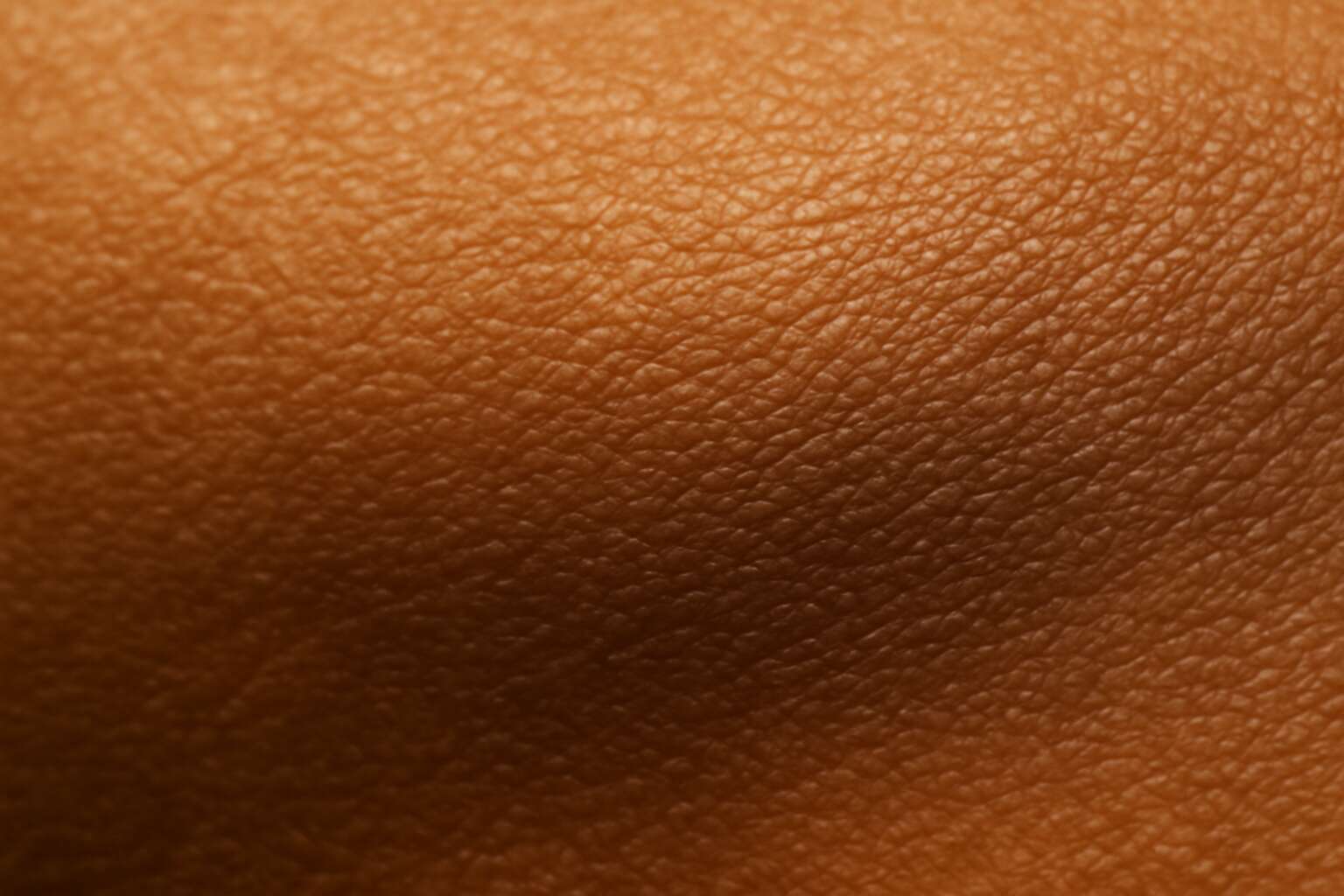
Foundations of skin pigmentation
What melanin is and how it forms
Sunlight writes the first line of your skin’s biography. Foundations of skin pigmentation unfold in a quiet, stubborn rhythm: melanocytes produce melanin, the pigment that tints our largest organ. In the epidermis, this pigment shields cells and shapes tone through a cascade of signals that respond to age, genetics, and sun exposure.
Melanin, the protagonist of this tale, comes in eumelanin and pheomelanin. When tyrosinase flicks on, tyrosine becomes melanin inside melanosomes. The more eumelanin produced, the darker the shade—the script that many South Africans carry as a daily sun companion. If you ask what pigment makes skin black, the answer is melanin—especially the deep, shadowy eumelanin.
Factors shaping this pigment include a few quiet forces:
- Genetics set baseline melanin levels
- UV exposure stimulates melanin production
- Hormones and nutrition influence distribution
Types of melanin: eumelanin vs pheomelanin
Shade is science, not stereotype! In South Africa’s diverse tapestry, what pigment makes skin black? Melanin—chiefly eumelanin—gives depth, shaping the hue while offering sun protection.
Foundations of skin pigmentation hinge on two melanin forms—the two colors that compose the spectrum:
- Eumelanin: the dark brown to black hues that define the deepest tones.
- Pheomelanin: the reddish-yellow tones that warm lighter spectra and add undertones.
These pigments reside in melanosomes, and their balance determines the final appearance more than any single shade. We see this range in clinics and classrooms nationwide.
Other pigments contributing to skin tone (carotenoids and more)
Foundations of skin pigmentation stretch beyond melanin. In South Africa’s mosaic of tones, a striking datum grounds the conversation: melanin content can vary more than tenfold between individuals. The spectrum is a composite, with eumelanin and pheomelanin charting the main range while other pigments lend warmth, depth, and undertones that shift with light, age, and health!
Beyond the melanin story, several pigments color the surface with quiet nuance:
- Carotenoids such as beta-carotene from diet impart warm yellow-orange undertones.
- Hemoglobin in blood adds pink to coppery tints that mingle with melanin.
- Other chromophores, including trace metals and flavins, can subtly influence skin tone under certain lighting.
So, what pigment makes skin black? It’s primarily melanin—especially eumelanin—working with the supporting hues of carotenoids and blood to define the richest depths.
How melanin determines shade across individuals
In South Africa, melanin content can vary more than tenfold between individuals — a striking reminder that shade is a biography written in biology. So, what pigment makes skin black? The answer centers on melanin, the pigment that absorbs light and defines depth. The shade you notice results from how much pigment is produced, where it is deposited in the epidermis, and how light interacts with the skin’s surface.
- Amount of melanin produced by melanocytes and how it is distributed across the epidermis
- Size and transfer of melanosomes to surrounding skin cells
- Depth and clustering of pigment, influencing absorption and reflection
Viewed this way, the foundations of pigmentation reveal a painterly spectrum rather than a single hue. The dance between pigment, light, and texture explains why South Africa’s faces carry depth, shifting with season, sun, and health. It is a symphony.
Key enzymes and pathways in pigment production
Shade is a biography written in biology. Foundations of skin pigmentation hinge on the enzymes that drive pigment production, and the story plays out in each melanocyte. So what pigment makes skin black? The answer rests in a layered cascade.
Key players lie in the melanogenesis pathway.
- Tyrosinase — the rate-limiter that converts tyrosine to DOPA and DOPAquinone
- TYRP1 and DCT — shape the melanin’s final tone and stability
- MC1R signaling and MITF — regulate production in response to hormonal cues
Melanosome transfer to keratinocytes and their epidermal placement shape how light is absorbed, a factor familiar to South Africa’s diverse skies.
Biological determinants of skin color
Genetic factors and inheritance patterns
Biological determinants of skin color begin long before birth, stitched into DNA. In South Africa’s tapestry of communities, genetic factors and inheritance patterns explain why shade shifts occur within families. The question what pigment makes skin black is not a single pigment tale but a story of melanin production tuned by multiple genes, not a single switch. This inherited scaffolding sets baseline tones, governs pigment distribution in skin cells, and reflects centuries of evolution shaping heat, light, and visibility.
Genetic factors tend to act as a choir rather than a solo instrument, with inheritance patterns often polygenic and layered across generations. To understand variation, consider the small gene tweaks that modulate melanin synthesis and pigment distribution in skin cells.
- Variants in genes guiding melanin production tilt the baseline shade
- Interactions among genes create a spectrum rather than fixed categories
- Population history shapes regional differences within communities
Hormonal and developmental influences on pigmentation
Shade is more than skin; in South Africa’s mosaic of communities, pigment becomes a living narrative. “Pigment is a living record of biology,” a clinician once reminded me, and it frames a simple question differently: what pigment makes skin black? The answer isn’t a single molecule but a choreography of hormonal signals and developmental timing that shapes melanin production across lifetimes.
Hormonal and developmental influences on pigmentation emerge most clearly during life stages. During puberty, pregnancy, or thyroid shifts, the pace and pattern of pigment deposition can change. Melanocytes respond to hormones like MSH, estrogen, and thyroid hormones, tweaking distribution rather than creating a new base shade.
- pubertal hormonal surges
- pregnancy-related changes in pigmentation
- thyroid and endocrine balance affecting pigment distribution
And this is where personal history meets biology; in South Africa, regional genetics meet life stage, making pigment a dynamic signature rather than a fixed label.
Role of UV exposure and tanning responses
In the blaze of a South African morning, pigment becomes a living weather report—bold, shifting, undeniable. So, what pigment makes skin black? Not a single molecule, but a choreography that blooms when light and biology kiss. Biological determinants here ride with UV and the body’s own timing, shaping shade as life unfolds.
UV exposure acts like a conductor, guiding melanocytes to adjust melanin distribution across the epidermis. The sun’s rays spark tanning responses, darkening tissues where protection is needed while preserving lighter tones elsewhere. Growth, sun, and skin type mingle, writing a map of color that changes with season and place.
- UV intensity and duration sculpt melanin production
- Tanning responses distribute pigment rather than create a new base shade
- Regional light exposure shapes shade across communities
Across South Africa, this UV-influenced canvas weaves a mosaic: biology meeting environment in a single living shade.
Ethnic and population variation in skin color
Biological determinants of skin color sit at the uneasy border between genetics and geography. Across South Africa, a mosaic of ancestry and migration writes color into people—not as a fixed label but as a living map that shifts with history and place.
In conversations about what pigment makes skin black, the answer is a blend of ancestral variation and population history, not a single molecule.
Unique genetic legacies in various communities express baseline shade, while intermarriage, migration, and history continue to diversify the palette.
Pigment changes across life stages
What pigment makes skin black is not a single molecule but a living map—an intricate dialogue between genes and time. Across the human spectrum, pigment shifts through life, tracing a lineage and a history that geography alone cannot explain.
From infancy, baseline shade is set by inherited tonality; puberty unfurls hormonal scripts that rearrange pigment density; in South Africa’s diverse communities, adulthood carries the quiet weight of lifestyle and nourishment, nudging tone with each season and choice. In later years, pigment cells may waver, deepening some areas while lightening others.
To illuminate this complexity, a concise set of factors shapes pigment changes across life stages: the question, what pigment makes skin black, is answered by a chorus of biology and history.
- ancestral lineages that set baseline tone
- hormone-driven rewiring during key life events
- nutrients and protective compounds steering pigment dynamics
- external factors that modulate pigment expression over time
It remains an evolving map rather than a fixed label.
Measuring and researching skin pigmentation
Methods to quantify melanin content in skin
Across South Africa, skin tones span a wide spectrum. “Pigment is biology, not a badge,” a clinician once said. The question what pigment makes skin black is central to the science, and it anchors how researchers quantify melanin content and compare variations across individuals.
Noninvasive approaches dominate the field, offering rapid, repeatable data without harming the skin. The core methods include:
- Diffuse reflectance spectroscopy with melanin indices
- Mexameter readings and spectrophotometric colorimetry
- Imaging methods such as dermoscopy or reflectance confocal for regional variation
These tools translate lab measurements into meaningful insights for clinics and researchers, enabling robust comparisons across populations and over time.
Spectrophotometry, reflectance and colorimetry
Across South Africa, the spectrum of skin tones refracts science and society in equal measure. The question what pigment makes skin black sits at the heart of measurement—not rhetoric, but reproducible data. Spectrophotometry, diffuse reflectance, and colorimetry map melanin signals without a scratch, and noninvasive methods deliver rapid, repeatable insights for clinics and researchers alike. In this arena, subtle shifts in shade become measurable realities, guiding comparisons across individuals and populations with a quiet elegance.
- Diffuse reflectance spectroscopy with melanin indices
- Mexameter readings and spectrophotometric colorimetry
- Imaging methods such as dermoscopy or reflectance confocal for regional variation
Taken together, these tools translate lab measurements into meaningful, longitudinal understanding of skin pigmentation across community contexts, from urban clinics to rural research sites.
Genomic and proteomic approaches to pigmentation
Across South Africa’s towns, skin tones unfold like a living map of biology and culture. The question what pigment makes skin black anchors a vast field, not a single answer. In genomics and proteomics, researchers translate color into code, chasing how melanin production shapes perception, health, and identity.
Genomic approaches chart the blueprint. Genome-wide association studies reveal variants near MC1R, OCA2, and related corridors that modulate melanocyte signaling. These maps illuminate why shade can shift gradually over generations, while polygenic scores hint at individual propensity toward deeper tones without predicting identity.
Proteomic strategies translate DNA into the machinery that actually crafts pigment. Mass spectrometry and targeted assays quantify tyrosinase-related enzymes and melanosome components, revealing how enzyme levels, trafficking, and post-translational tweaks sculpt melanin output in living skin.
In practice, researchers weave these layers together with noninvasive sampling and regional studies across urban clinics and rural communities.
Clinical and dermatology assessment scales
Across South Africa’s clinics, pigment stories unfold with each patient. A seasoned dermatologist reminds us that color is a living language of the skin—utterly decipherable with careful scales.
Measuring what pigment makes skin black rests on clinical grading that anchors subjective sight to reproducible terms. The Fitzpatrick scale estimates general sun response; MASI tracks melanin-rich patches; standardized photography cements comparisons over time.
Practical tools include:
- Fitzpatrick skin type assessment
- Melasma Area and Severity Index (MASI)
- Wood’s lamp evaluation
- Clinician-rated pigmentation scores
In practice, these scales harmonize with patient narratives and clinical imaging, shaping care across urban clinics and rural communities alike.
Ethical considerations in pigmentation research
Across South Africa, the question of what pigment makes skin black sits at the crossroads of science and lived experience. It isn’t a blunt pigment label but a language the skin keeps in every shade, tone, and hue. Researchers approach measurement with caution, honoring patient stories as data points and humility as a guiding principle.
Ethical guardrails govern every step—from recruitment to reporting:
- Informed consent with clear, culturally appropriate explanations
- Respect for privacy and secure handling of images and data
- Transparent aims and fair benefit-sharing with communities
- Avoiding stigmatization and misrepresentation of pigment-related nuance
- Engagement with local ethics bodies and community leaders
In practice, researchers balance advanced tools with real-world contexts, ensuring rural clinics and urban hospitals share accountability. When done thoughtfully, pigment research becomes a respectful dialogue rather than a ranking.
Applications and implications of pigment science
Cosmetic science: products targeting skin tone and pigment balance
In a sun-drenched nation where sunscreen is a daily wardrobe staple, pigment science isn’t just lab chatter—it’s a practical guide for everyday beauty. A recent SA survey shows 62% of beauty product returns hinge on shade mismatches, proof that pigment balance matters. what pigment makes skin black informs product design, from foundation tinting to pigment balance in serums and sunscreen.
- Personalization in shade matching that respects diverse SA skin tones
- Safety, regulatory alignment, and ethical labeling
- Market diversity and inclusive, non-stereotyped branding
Beyond cosmetics, pigment science guides research pipelines that balance aesthetics with protection, ensuring products adapt to seasonal changes and developmental stages without relying on clichés.
Medical and health implications of pigmentation disorders
In South Africa, pigment science is a health compass as much as a beauty brief. What pigment makes skin black reveals biology and identity—an essential question guiding sun safety, clinical care, and everyday confidence.
Pigmentation disorders—melasma, vitiligo, albinism—reshape how the skin shields itself from UV and signals health. Mapping pigment pathways informs safe therapies, precise shade guidance, and early detection of abnormal changes.
- Diagnostics guiding risk communication
- Personalized care balancing aesthetics and protection
- Ethical labeling and inclusive education
Here, pigment science becomes patient-centered practice—ethical labeling, culturally sensitive communication, and transparent safety stories that empower every person to navigate sun, skincare, and health with confidence.
Forensic and anthropological uses of pigmentation data
Pigment science travels beyond cosmetics, shaping forensics and anthropology in South Africa. In labs and field digs, what pigment makes skin black becomes a dataset—melanin patterns, reflectance data, and related markers—that illuminates ancestry, UV adaptation, and historical migrations. The question is nuanced: not a single pigment, but a spectrum that tells a story about place and time.
Applications and implications appear in several practical forms:
- Forensic phenotype inference to support population affinity and biogeographic context when other evidence is scarce.
- Anthropological reconstruction of migration routes and environmental pressures shaping pigment variation across communities.
- Ethical frameworks that guard against stereotyping, ensure consent, and respect cultural heritage in data handling.
In South Africa’s diverse tapestry, pigment science helps narrate identities with care, curiosity, and caution. The work invites collaboration with communities, museums, and researchers to tell trusted stories about pigment and people.
Public health messaging: sun protection and pigment-related risk
Sunlight writes in the language of pigment. In South Africa, the question what pigment makes skin black surfaces not as aesthetic trivia but as a public health lens—where melanin’s spectrum guards against UV and signals risk in different tones. I hear the sun whisper: this pigment is not a single note but a chorus, and messaging must honor that complexity rather than flatten it into stereotypes.
Public health messaging should acknowledge the science while speaking plainly to diverse communities.
- Promote broad-spectrum protection for all skin tones, dispelling the myth that dark skin is immune to UV damage.
- Use culturally resonant visuals and clear language about SPF and reapplication.
- Address pigment-related risk without stigma, inviting dialogue with communities and healthcare workers.
In this tapestry, understanding pigment and shade helps tailor messages that are accurate, respectful, and effective across South Africa’s many communities.
Emerging research and future directions in pigmentation science
In SA, the question what pigment makes skin black surfaces not as trivia but as a health lens; “pigment maps UV resilience” is how one clinician phrases the issue, charting protection needs across climate zones and communities.
Applications and implications: Emerging research is mapping routes from research lab to clinic—noninvasive pigment quantification, inclusive risk models, and culturally resonant messaging. Future directions hinge on ethical collaboration, diverse cohorts, and policy-ready insights that translate pigment science into equitable skin health across South Africa.
- Tailored risk assessment tools integrating pigment data
- Noninvasive imaging and colorimetric monitoring across life stages
- Community co-design and policy translation for public health messaging



0 Comments